Anti-Aging Facials for Dry Skin
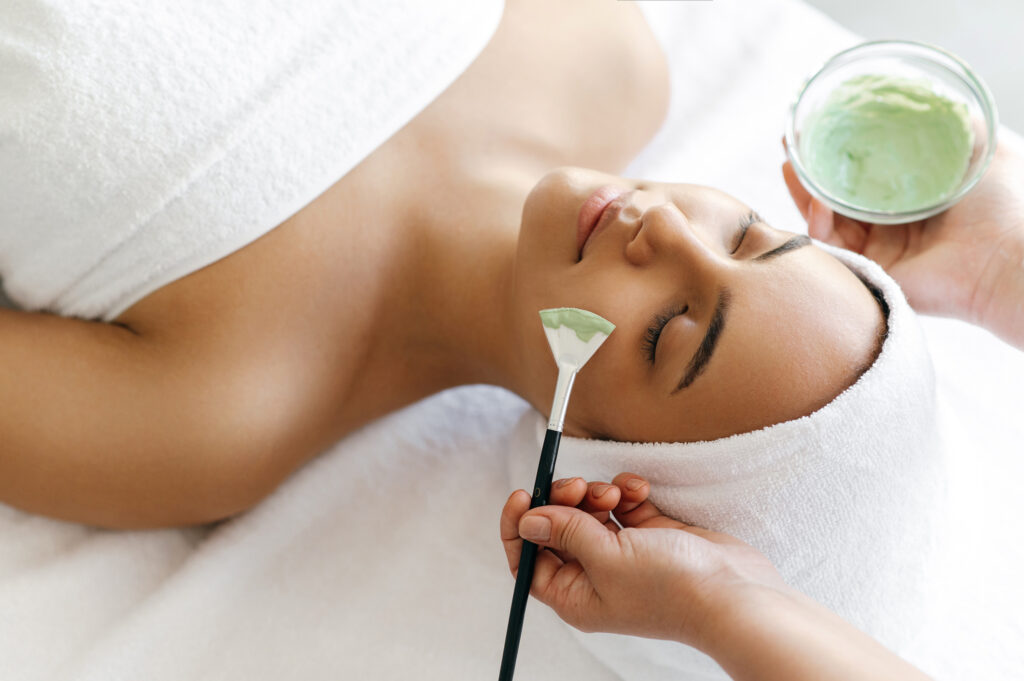
When it comes to dry skin, the signs of aging can often become more pronounced—think fine lines, dullness, and that parched feeling that never seems to go away. If you’re dealing with dry, aging skin, you’re not alone, and the right facial can make all the difference in restoring both moisture and youthful radiance. Over the years, I’ve worked with countless clients who’ve seen incredible results with anti-aging facials specifically designed to address dryness while fighting the visible signs of aging. In this post, I’ll be breaking down the best anti-aging facials for dry skin, and how these treatments help replenish, hydrate, and rejuvenate your complexion. If you’re ready to give your skin the nourishment it craves while reducing the look of fine lines and wrinkles, this post is for you. Key Takeaways The Science of Anti-Aging Facials Collagen Stimulation Cellular Renewal Skin Barrier Support Benefits of Anti-Aging Facials 1. Intense Hydration 2. Improved Elasticity 3. Smoother Texture 4. Reduced Lines 5. Brighter Complexion Comparing Facial Techniques Exfoliation Methods Technology-Infused Nutrient Delivery Professional vs. At-Home Care Ingredient Potency Application Technique Customization Beyond the Treatment Room Your Daily Regimen Lifestyle Impact Long-Term Strategy Is It Right for You? Skin Assessment Potential Risks Setting Expectations Conclusion Frequently Asked Questions How do anti-aging facials work? What results can I expect and how soon? Which facial technique is best for aging skin? Are professional facials better than at-home care? How often should I get an anti-aging facial? Are anti-aging facials safe for sensitive or darker skin tones? What should I do after a facial to keep results? Key Takeaways Anti-aging facials stimulate collagen production, promote cell turnover, and strengthen the skin barrier to minimize wrinkles and increase elasticity and moisture. Prepare for slow, steady progress with regular sessions and good aftercare. Things like microneedling, fractional laser, and radiofrequency cause dermal remodeling that tightens loose skin and smooths out deep wrinkles. Keep the results going at home with collagen supportive topicals like retinoids, peptides, and collagen-boosting serums. With managed exfoliation using AHAs such as glycolic acid, retinoids, and enzyme peels, all of which encourage cellular renewal to create smoother texture and a brighter tone. Schedule regular but gentle exfoliation and combine with sun protection of SPF 30 or higher to avoid irritation and pigmentation. Barrier-supportive care with ceramides, glycerin, hyaluronic acid and non-fragrant oils replenishes moisture and strength. Follow up with a gentle cleanser, hydrating serum and daily protection with broad spectrum sunscreen to prolong post-facial results. Technology-infused options such as LED, microcurrent, and radiofrequency provide targeted boosts for wrinkles, elasticity, and inflammation when compared to hands-on methods. Select techniques according to skin type, sensitivity, and objectives. Schedule treatments every four to six weeks for a compounded effect. Professional-strength protocols deliver increased potency and targeted delivery for rapid results, while at-home regimens maintain momentum between appointments. Develop a daily routine that cleanses, moisturizes, uses actives like vitamin C or retinol, and protects to maintain skin health over the long term. Anti-aging facials are organized skin therapies designed to increase collagen, smooth texture and minimize fine lines through time-tested techniques such as chemical exfoliation, targeted serums and device-based treatments. At Physician Aesthetic Institute, packages frequently combine enzyme or acid peels with microneedling, LED or radiofrequency to enhance dermal remodeling. Sessions can utilize peptides, vitamin C, and PRF to aid repair and toning. To navigate healthy, sustainable growth, let’s get into treatment types, candidacy, timelines and maintenance in the upcoming sections. The Science of Anti-Aging Facials Anti-aging facials work on two fronts: they adjust surface tone and texture and they modulate deeper biology. Skin aging involves skin, soft tissue, and bone. UV exposure, genetics, and lifestyle all contribute. The extracellular matrix, which includes collagen, elastin, and glycosaminoglycans, thins with age. Langerhans cells diminish, leading to repair and immunity lag. Volume shifts as deep medial and middle cheek fat pads fall and flatten. Treatments seek to reverse these changes by stimulating collagen, increasing cell turnover, and defending the barrier while moisturizing and rebalancing. Retinoids, peptides, hyaluronic acid, and device-based energy lead the way, with plans customized to what your skin can tolerate and what it requires. Collagen Stimulation Collagen plays a crucial role in maintaining skin’s firmness and elasticity. As a person ages, the breakdown of collagen fibers and misshapen elastin from UV exposure leads to sagging skin, deeper wrinkles, and enlarged pores. Facial rejuvenation treatments that promote neocollagenesis target these underlying issues rather than merely addressing the surface. Microneedling, a popular facialtreatment, creates controlled micro-wounds that stimulate fibroblasts, resulting in increased collagen production. Additionally, fractional laser treatments introduce microthermal zones that penetrate the epidermis and reach the dermis, activating remodeling processes and heat-shock signals to enhance skin texture. Radiofrequency heats dermal water to 40-45°C, resulting in instant collagen contraction and a delayed synthesis phase. RF microneedling adds a layer of depth precision. These can be paired with platelet-rich fibrin or peptides to further amplify the signaling. The increase in dermal collagen provides essential support for lax areas like the jawline and nasolabial folds, smoothing out deep lines and slowing down sagging. However, volume loss from fat pad descent may still necessitate the use of dermal fillers. Between treatments, collagen masks with peptides and vitamin C serums keep the remodeling cycle going and reduce oxidative stress. Cellular Renewal Exfoliation is a crucial part of skin care treatment, prompting the epidermis to slough off and signaling basal cells to proliferate. This process not only decreases dullness but also serves as an effective wrinkle treatment, plumping fine lines and unclogging pores. With regular facial treatments, skin texture appears smoother, allowing light to reflect more evenly. Typical agents used in these treatments include glycolic and lactic acids, salicylic acid, and enzyme peels. Retinoids are particularly beneficial as they do more than exfoliate; they also promote collagen production and help even out skin tone. Consistent application of these treatments, combined with sun protection, leads to faster regeneration, effectively addressing specific skin concerns like age spots and rough patches caused by sun exposure. Skin Barrier Support Hydrating facials close up micro-fissures in the stratum corneum so water remains in and irritants remain