
Microneedling for Fine Lines and Wrinkles
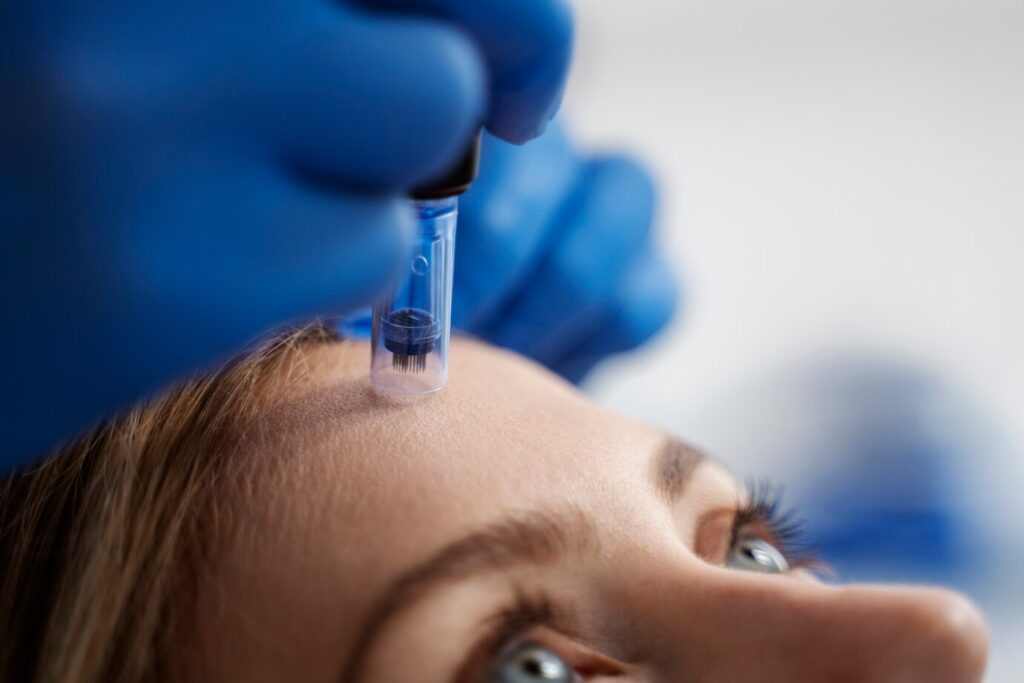
When it comes to combating fine lines and wrinkles, there are countless treatments out there promising miraculous results—but few can match the effectiveness of microneedling. Over the years, I’ve seen this innovative treatment work wonders for clients who are looking to turn back the clock on their skin without invasive procedures. Microneedling isn’t just about smoothening out wrinkles; it stimulates your skin’s natural collagen production, resulting in smoother, firmer, and more youthful-looking skin. In this post, I’ll be diving into how microneedling works, why it’s one of the best solutions for fine lines and wrinkles, and how you can incorporate it into your skincare routine for lasting, natural-looking results. Key Takeaways The Science of Skin Renewal 1. Controlled Micro-Injury 2. Collagen Induction 3. Elastin Remodeling 4. Cellular Regeneration 5. Enhanced Absorption Customizing Your Treatment Needle Depth Device Type Skin Condition The Treatment Journey Before Your Session During The Procedure Immediately After Maximizing Your Results Complementary Therapies Session Frequency Long-Term Care Beyond The Hype Professional vs. Home Potential Side Effects Unsuitable Candidates What To Expect The Healing Timeline The Visible Changes Conclusion Frequently Asked Questions How does microneedling reduce fine lines and wrinkles? Is microneedling safe for all skin types? How many sessions do I need to see results? What does the treatment feel like, and is there downtime? How can I maximize results after microneedling? What results are realistic, and how long do they last? Who should avoid microneedling? Key Takeaways Microneedling employs precise micro-injury to initiate collagen and elastin generation, repairing fine lines, wrinkles, texture, and firmness with quantifiable dermal remodeling. Compared to lasers and peels, it preserves the epidermis more, with customizable intensity and often briefer downtime. Best results require customization that matches needle depth, device type, and skin condition, with professional, FDA-cleared systems providing reliable penetration, sterile technique, and superior outcomes compared to home rollers. Identify a plan that customizes treatment to pigment risk, sensitivity, and specific targets like periorbital lines or acne scars. Anticipate a comprehensive treatment experience inclusive of pre-care, topical numbing, 30 to 60 minutes of targeted needling with disposable cartridges, and 24 to 48 hours of redness and inflammation. Post care should include gentle cleansing, hydrating serums like hyaluronic acid, and diligent sun protection to minimize complications and promote collagen remodeling. Schedule a series of sessions 4 to 6 weeks apart, then refresh every 6 to 12 months as collagen takes time to mature. Pair with proven treatments like botulinum toxin, fillers, or chemical peels and layer on antioxidants and retinoids as tolerated to boost wrinkle-busting. Safety demands careful screening and technique as side effects may involve erythema, dryness, and rare risks such as hyperpigmentation or infection. Steer clear of treatment if you have an active infection, severe eczema, keloid tendency, or if you’re pregnant, actively breaking out, or have cold sores. Results build over time, with initial smoothing seen within 2 to 4 weeks and continued softening of deeper lines over multiple sessions. Augment longevity with daily broad spectrum sunscreen, regular moisturization, and a balanced regimen that favors barrier integrity and pigmentation management. Microneedling for fine lines and wrinkles is a collagen-induction treatment that utilizes regulated micro-injuries to stimulate dermal repair and new collagen and elastin growth. Accelerating epidermal turnover and dermal remodeling, it blunts fine rhytids, smooths texture, and increases skin firmness with minimal downtime. Results accumulate over three to six sessions, spaced four to six weeks apart, with peak change at eight to twelve weeks. Pairing with PRF or medical-grade skincare can give your results even more impact. The paragraphs below discuss technique, hygiene, and suitability. The Science of Skin Renewal The science of skin renewal Microneedling renews skin by generating exact micro-injuries which initiate a controlled healing cascade. This stimulates collagen and elastin production, accelerates cell turnover, and enhances ingredient absorption, which are crucial actions for smoother wrinkles, more even tone, and tighter texture. Unlike lasers or chemical peels, it addresses the dermis with far less heat or chemical burden, yet still capitalizes on the body’s repair biology. 1. Controlled Micro-Injury Minute needles create consistent punctures throughout the epidermis and upper dermis, activating the wound cascade without ablating tissue. This early inflammatory phase lasts a few days and prepares the body for repair by recruiting growth factors and platelets. The wounds are regulated by needle length, velocity and number of passes to prevent actual harm or scarring. Robotic pens and radiofrequency microneedling introduce accuracy and energy dosing. Manual rollers, automated pen devices and radiofrequency microneedling are the three types. As fibroblasts activate, new collagen deposits and matrix remodeling decrease wrinkle depth and enhance texture. This precise micro-injury distances micro-needling from more aggressive resurfacing that ablates or thermally denatures larger amounts of skin. 2. Collagen Induction Percutaneous collagen induction increases type I and III collagen, which boosts dermal density and creates a healthier, plumper appearance. Additional collagen fibers dull current wrinkles and delay new creases by bolstering the support matrix. Improvements in elasticity prevent premature sag. Results accumulate in cycles. Multiple sessions weeks apart maximize collagen generation, with enhancements frequently observed in weeks and persisting months to years depending on skin type, concern, and treatment depth. 3. Elastin Remodeling Needle-generated signals encourage elastin fiber assembly, enhancing recoil and flexibility so skin bounces back instead of creasing. Improved elastin contributes to softening deeper furrows, such as nasolabial and marionette areas when combined with collagen improvements. Elastin is key to a firm, toned face as we age, and its consistent remodeling over weeks underlies sustained texture and wrinkle transformations. 4. Cellular Regeneration Microneedling, a versatile treatment option, accelerates keratinocyte turnover, replacing damaged cells with new layers that reflect light more uniformly. This skin rejuvenation microneedling technique evens tone, decreases mild pigmentation, and helps with various skin conditions, making scars appear flatter. It effectively addresses common skin concerns, including eye wrinkles, by promoting collagen production and enhancing skin health. More than just a cosmetic procedure for wrinkles, microneedling sessions are also effective for acne scars and stretch marks. By using fine needles to create tiny punctures, this treatment encourages a natural healing process that rearranges