
Microneedling vs Chemical Peels
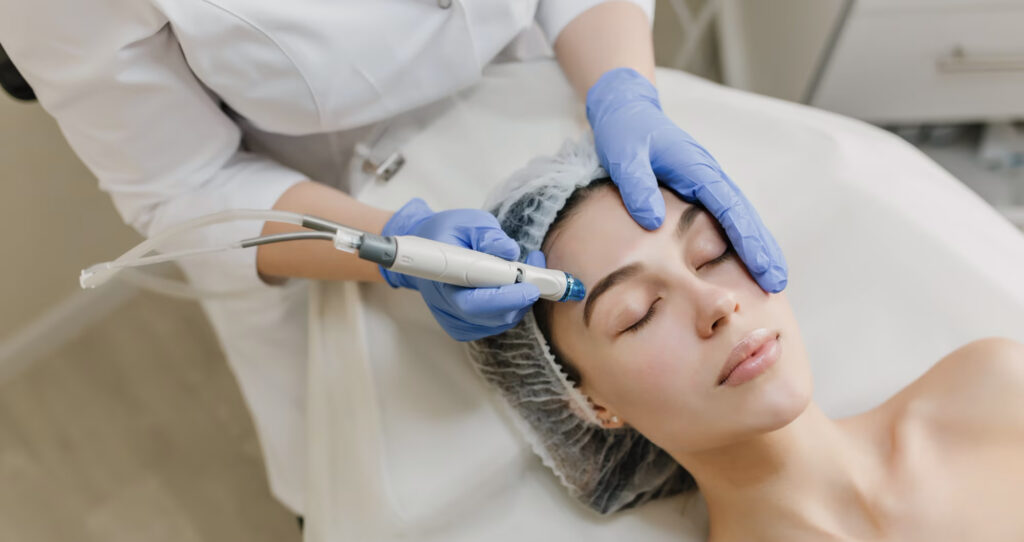
When it comes to rejuvenating your skin and tackling concerns like fine lines, texture, and discoloration, two of the most popular treatments are microneedling and chemical peels. But how do you know which one is right for you? As someone who’s worked with clients on both sides of the treatment spectrum, I know that choosing between these two options can feel overwhelming. In this post, I’m breaking down the key differences between microneedling and chemical peels, highlighting the benefits of each, and helping you decide which treatment is best for your skin type and goals. Whether you’re looking for a treatment that builds collagen or one that sloughs away dead skin, this comparison will guide you to the right choice for your complexion. Key Takeaways Understanding The Mechanisms Controlled Injury Chemical Exfoliation Microneedling vs Chemical Peels 1. Skin Concerns 2. Skin Type 3. Downtime 4. Sensation 5. Results Timeline A Professional’s Perspective The Consultation Treatment Synergy Long-Term Strategy Potential Risks Microneedling Risks Chemical Peel Risks The Patient Experience Preparation Procedure Aftercare Choosing Your Path Conclusion Frequently Asked Questions Which is better for acne scars: microneedling or chemical peels? How do microneedling and chemical peels work differently? What skin concerns does each treatment target best? Which has less downtime? Are these treatments safe for darker skin tones? Can I combine microneedling and chemical peels? How many sessions will I need to see results? Key Takeaways Microneedling causes exactly what it says — tiny, controlled dermal micro-injuries that drive collagen induction and remodeling — while chemical peels dissolve intercellular bonds for varying depths of either epidermal or dermal exfoliation. Choose microneedling for precision collagen remodeling and peels for targeted exfoliation and pigment correction. Pair the modality with the main concern for optimal results. Pick microneedling for atrophic acne scars, enlarged pores, and mild to moderate wrinkles, and chemical peels for dyschromia, sun damage, and surface texture. Plan treatment based on skin type and safety. Microneedling is more appropriate for all Fitzpatrick phototypes. Medium to deep peels pose a greater risk of pigment change in darker skin tones and sensitive skin. Schedule to include recovery time and anticipated feelings. Microneedling typically causes mild erythema and edema that resolves within a few days. Peel recovery can vary from minimal flaking with light peels to weeks of recovery with deep peels. Sensations range from prickling to stinging or burning. Anticipate intermittent and session-dependent outcomes for long-term transformation. Microneedling improvements layer on top of each other over weeks as neocollagenesis occurs, while peels can manifest earlier visible brightness and smoothing. Maintenance schedules and strict photoprotection are critical to longevity. Maximize safety and outcomes with expert advice and disciplined aftercare. Book a thorough consultation, disclose your medications and skin history, steer clear of irritants pre-procedure, adhere to post-care precisely, and explore staged or combination protocols to optimize results and downtime. Microneedling vs chemical peels pits two effective methods of skin resurfacing that address texture, tone, and fine lines in unique ways. Microneedling uses controlled micro-injury to spark collagen and elastin. It works across most skin types and complements PRF. Chemical peels use acids of varying strengths to chemically exfoliate layers, treat pigment, acne, and sun damage with options ranging from light to deep. To help steer decision, major considerations are downtime, skin type, goals, and past treatments, which the tables below outline. Understanding The Mechanisms Both cosmetic treatments target the skin’s layered structure of epidermis, dermis, and subcutaneous tissue. They operate through different portals of entry to induce rejuvenation. Microneedling works by creating microscopic wounds to stimulate collagen production and dermal remodeling, while chemical peel treatments dissolve bonds between cells to shed damaged skin and reset surface tone and texture. Controlled Injury Microneedling inserts tiny, sterile needles into the epidermis and upper dermis to form targeted micro-channels. These micro-injuries initiate a wound-healing cascade that includes hemostasis, inflammation, proliferation, and remodeling. This process boosts fibroblast activity, new collagen types I and III, and elastin. The effect is architectural, not just surface, and promotes progressive extracellular matrix thickening over weeks to months. Device action: manual rollers, automated pen devices, and radiofrequency microneedling deliver controlled depths and densities to reach target planes with less epidermal loss. Biological response: Platelets release growth factors. Keratinocytes and fibroblasts orchestrate matrix reconstruction to ensure neocollagenesis and neoelastogenesis to stabilize scar edges and smooth wrinkles. Remodeling timeline: Collagen reorganization continues for months, so results build slowly and often peak after a series. Measurement: Standardized scales such as VSS or GAIS, plus self-assessment questionnaires, help quantify change in scar height, texture, and patient-perceived quality. This controlled injury heals atrophic acne scars, fine to moderate wrinkles, and stretch marks by realigning collagen bundles instead of removing surface layers. It is minimally invasive compared to surgical resurfacing, with little downtime and small risk if done on intact skin, hygienically, and with proper depth control. Emerging nanoneedling uses smaller arrays for shallow, uniform entry that can help pigment-prone skin by reducing inflammation burden while still improving tone. Chemical Exfoliation These chemical peel treatments apply an acid solution, such as glycolic, salicylic, lactic, or trichloroacetic acid (TCA), to loosen corneocyte bonds. At stronger concentrations, these acids can coagulate proteins in the lower layers of the skin. This process, known as keratolysis, accelerates cell turnover, effectively sloughing off photodamaged cells and unclogging pores. With multiple, spaced sessions, the epidermal architecture tightens, resulting in a more uniform light reflection. Light peels are particularly effective in the stratum corneum and upper epidermis, making them useful for addressing dull skin tone, mild acne, and very fine lines. On the other hand, medium peels, such as those with 20–35% TCA or blended agents, penetrate deeper to the mid to lower epidermis and papillary dermis, assisting in fading dark spots and reducing crisp lines. Deep peels, which include phenol or high-strength TCA, target the reticular dermis and are beneficial for significant photoaging. However, they require more downtime and close monitoring by dermatologists. It’s well-known that cosmetic treatments like chemical exfoliation effectively address issues such as lentigines, melasma patterns, sun damage, and surface wrinkles. This is achieved by lifting