
Benefits of Regular Microneedling Sessions
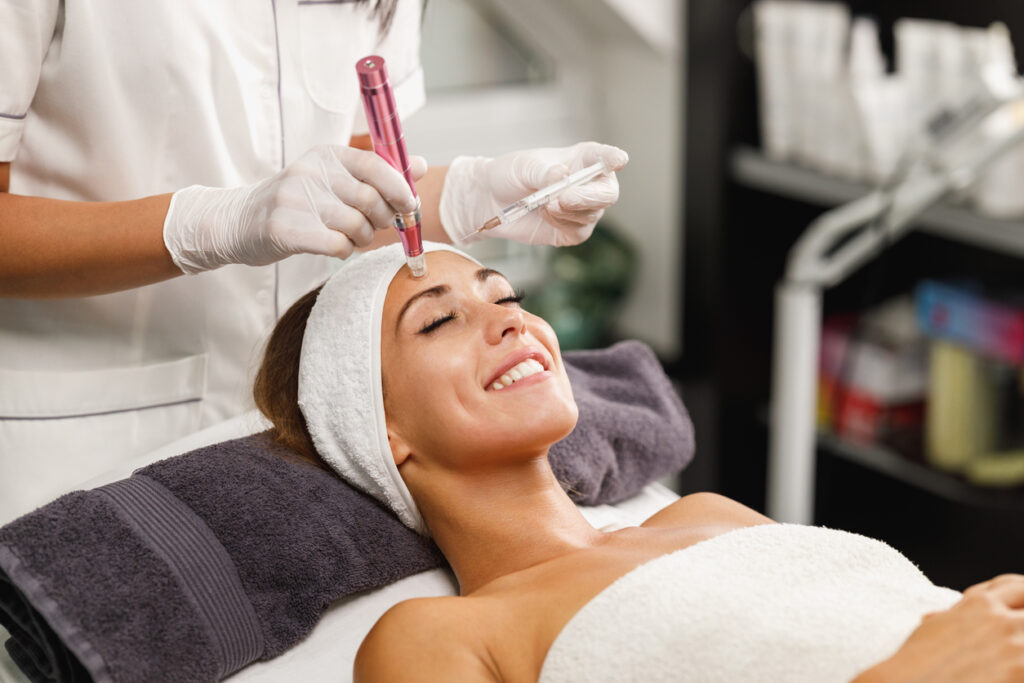
Microneedling has quickly become one of the most trusted treatments for improving skin texture, minimizing fine lines, and boosting natural collagen production—but consistency is where the real transformation happens. At Physician Aesthetic Institute, we’ve seen how clients who commit to regular microneedling sessions experience noticeably smoother, firmer, and more radiant skin over time. This isn’t just a one-and-done treatment; it’s a long-term investment in your skin’s health and vitality. In this post, I’ll walk you through the key benefits of maintaining a consistent microneedling routine, how often you should schedule treatments, and what kind of results you can expect. If you’re ready to unlock your best skin yet, this guide will show you why regular microneedling is one of the smartest moves you can make for lasting rejuvenation. Key Takeaways What is Microneedling? 1. The Science 2. The Process 3. The Sensation 4. The Results The Microneedling Experience Before Treatment During Treatment After Treatment Benefits of Regular Sessions Cumulative Effects Long-Term Health Maintenance Plan Professional vs. At-Home Device Differences Safety Protocols Result Expectations Is Microneedling For You? Ideal Candidates Skin Considerations Potential Risks A Deeper Perspective Treatment Synergy Future Innovations Conclusion Frequently Asked Questions How does microneedling work? What skin concerns can microneedling help? How many sessions will I need? Is microneedling painful? What is the downtime after a session? Is at-home microneedling effective? Who should avoid microneedling? Key Takeaways Microneedling causes controlled microinjuries which induce percutaneous collagen stimulation and elastin production, enhancing texture, tone, and regeneration of firmness over weeks. It creates microchannels that improve transdermal delivery of active serums for boosted impacts. A professional treatment utilizes sterile, disposable needles of various lengths, which can be adjusted based on skin type and treatment area. The treatment lasts approximately 30 to 60 minutes and has minimal downtime. Anticipate redness and swelling that subside within 24 to 72 hours. Most people report a mild prickling or heat sensation from the topical anesthetic, and post-treatment sensitivity is common but subsides quickly. Photographs help you track results objectively, including pore refinement, scar reduction, and smoothness. Results are cumulative and need to be done in series for lasting collagen remodeling and elasticity wins. Schedule maintenance sessions and combine them with daily sunscreen, gentle skincare, and proven actives to extend results. Professional care beats at-home rollers in safety, depth precision, and consistency, lowering risks like infection or pigment shifts. Consult a dermatologist if you have active acne, a keloid history, or chronic skin conditions for appropriate protocols. Get ready by steering clear of the sun, exfoliants and blood thinners prior to your appointment, and arrive with a bare face on the day. Then, avoid makeup and products for 24 hours, use hydrating, fragrance-free care, protect with broad-spectrum SPF 50 and follow up to customize your plan. More technically called ‘microneedling,’ it’s a low-impact skin treatment that utilizes fine needles to induce controlled micro-trauma, activating collagen and elastin production. Applied to the face, neck, and scalp, it minimizes wrinkles, acne scarring, pores, and hyperpigmentation. Devices include everything from manual rollers to motorized pens with depth control of 0.25 to 2.5 mm. It builds results over three to six sessions, spaced four to six weeks apart. Pairing with PRF or topical actives can enhance results. The passages below discuss protocols and safety. What is Microneedling? Microneedling is a minimally invasive procedure that utilizes arrays of small, sterile needles to induce controlled micro-injuries in the skin. These microchannels stimulate a wound repair reaction that increases collagen and elastin, which softens lines, refines pores, and smooths texture. It’s utilized throughout contemporary dermatology for acne scars, hyperpigmentation, fine lines and enlarged pores and can even aid hair growth in certain types of alopecia when done on the scalp. Devices range from manual dermarollers to automated pens with motorized needles reaching depths of up to 2.5 mm. 1. The Science Microneedling is percutaneous collagen induction therapy. Precise needle passes disrupt the epidermis and superficial to mid-dermis to trigger hemostasis, inflammation, proliferation, and remodeling. Fibroblasts increase the production of type I and III collagen and elastic fibers, and matrix metalloproteinases assist in reorganizing scar tissue. The temporary microchannels also increase skin permeability, enhancing transdermal delivery of targeted topicals, such as vitamin C serums, growth factors, exosomes, and prescription actives, when applied immediately following passes. These topicals are able to boost absorption prior to the channels sealing. The wound cascade lays new extracellular matrix down over weeks, thickening the dermis and restoring biomechanical properties like elasticity and firmness. Clinically, patients experience improved texture, even tone, and diminished atrophic acne scars, often comparable to light fractional lasers with less risk of pigment in darker skin types. Results are cumulative over sessions, with quantifiable improvements in roughness indices, scar grading scales, and pore size when guidelines are followed. 2. The Process Skin is cleansed, photographed, and degreased. A topical anesthetic is applied for 20 to 40 minutes, then removed prior to treatment. Serum selection and treatment mapping are determined by objectives. Sterile, single-use needle cartridges or a sanitized dermaroller are utilized. Automated pens offer even speed and depth for both consistency and safety. Needle depths are tailored by area: 0.25 to 0.5 mm for glow or pigment, 0.5 to 1.0 mm for fine lines, 1.0 to 2.0 mm for acne scars or thicker skin, and up to 2.5 mm in select non-facial sites. Sensitive zones such as periorbital skin use shallower settings. Sessions last 30 to 60 minutes with little downtime. Redness and mild edema are common and subside within 24 to 72 hours. 3. The Sensation Most experience a mild sting or scratch with heat in denser regions. Bony areas might be a bit more painful. Topical numbing reduces discomfort and allows even, methodical passes. Then, anticipate a few days of redness, swelling, and tightness that subside. Minor pinpoint bleeding can manifest with deeper settings. Most patients have no problem tolerating it and feel settled within minutes after the device halts. 4. The Results Over three to six sessions, skin appears smoother with velvety softened acne scars and tightened, refined pores. Fine lines soften and tone evens,