Eyebrow Tinting Aftercare Tips for Winter
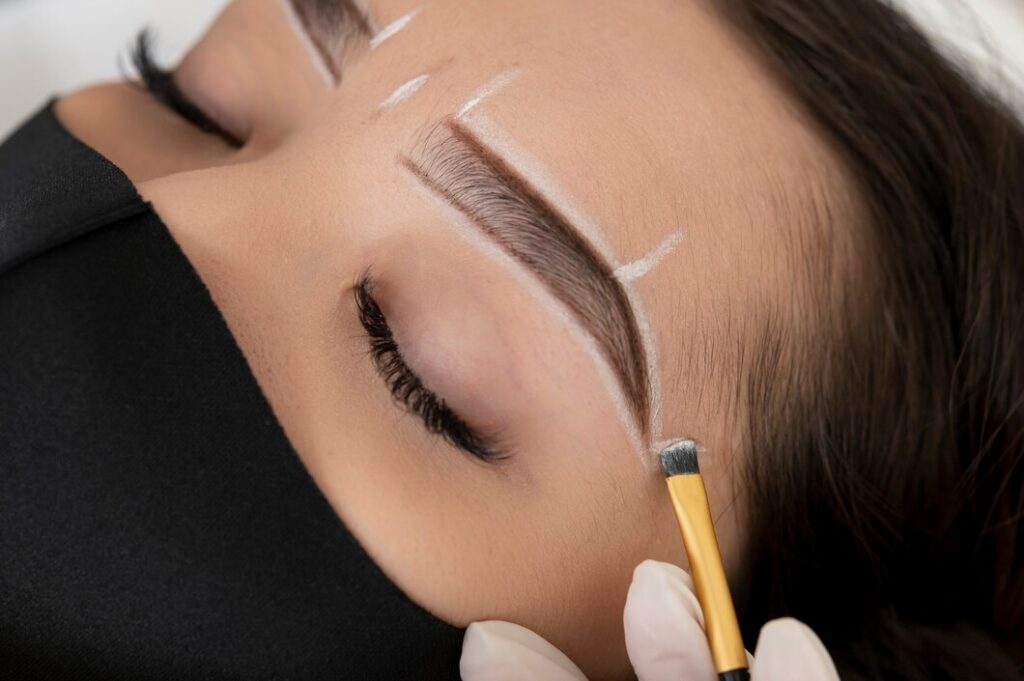
Cold weather can be tough on your skin—and your freshly tinted brows are no exception. Between dry indoor heat and chilly outdoor air, winter can cause tint to fade faster and make the delicate skin around your brows more prone to dryness. At Physician Aesthetic Institute , we always remind clients that the right aftercare can make all the difference in maintaining rich, even color and healthy-looking brows all season long. In this post, I’ll share simple yet effective aftercare tips for your tinted brows during winter , from how to keep them hydrated to what to avoid in your daily routine, so your brows stay bold, beautiful, and well-defined no matter how cold it gets outside. Key Takeaways During an eyebrow tinting session, semi-permanent color is applied to brow hairs and briefly on the skin to create a fuller definition. Skin staining lasts approximately one week and hair color lasts two to four weeks. It’s noninvasive and offers a low-maintenance alternative to daily makeup or permanent procedures. An exact workflow makes for better results, including deep cleansing, bespoke shade formulation, contained application, and timed processing that usually wraps up within 15 minutes. No touching or rubbing during processing, otherwise it will absorb unevenly and become patchy! Choosing the correct shade means matching undertone and depth with your natural hair and skin for a believable finish. This is best achieved with professional color mapping. If unsure, begin lighter, bring reference images, and go darker in subsequent appointments. Safety begins with a 24-hour patch test to weed out allergy risks including PPD sensitivity and with formulas intended for use on the face only. Delay tinting if you have open wounds or active skin conditions and inform your technician of any sensitivities. Last depends on skin, UV, product combos, so keep it low or no sun, heat, swim, exfoliants, and oil-based formulas. Schedule touch-ups every 3 to 4 weeks and avoid getting brows wet for 12 to 24 hours post-treatment to set color. Professionals assist first-timers with even tinting and precise shaping, while home kits should opt for gentle, face-safe dyes and carefully read directions. Maintain results with soft washing, daily moisturization, SPF on the brow area, and careful drying, particularly in parched winter climates. Eyebrow tinting is a semi-permanent dye for the eyebrow hair that will darken or define the brow hair in order to enhance shape and symmetry. Results generally last between 3 to 6 weeks, depending on your hair growth and skin care regimen. The dye is attracted to the hair shaft and can tint the skin for 2 to 7 days, helping fill in patchiness. Safe practice employs patch test s, ammonia-free dyes , and meticulous mapping. At Physician Aesthetic Institute, brow tinting often pairs with shaping, lamination, or skincare for balanced, natural results. What is Eyebrow Tinting? Eyebrow tinting is a noninvasive cosmetic procedure that employs a semi-permanent dye to enhance the color and shape of natural brow hairs. This process leaves a subtle stain on the underlying skin to fill in minor sparse areas, making it a popular eyebrow enhancement choice. The skin tint will usually fade in around one week, but the color on the hairs can last two to four weeks, sometimes even three to six weeks depending on your growth and care. It’s a painless alternative to daily brow pencils or something more permanent. 1. The Process The brow area is cleaned of oil, skincare, and makeup so the dye can adhere more evenly. A bespoke shade is blended to hair color and skin tone. Grey or white hairs might require an extended dwell or even a layered, two-step process to absorb color well. The dye is painted along the brow shape, left for a few minutes to achieve the target depth, then wiped off with a damp paper towel. Avoid touching or rubbing during processing to prevent patchy staining. A standard appointment requires approximately 15 minutes from start to finish, though there are quickies that can be completed in five if brows are prepped and the tint shade is simple. 2. The Benefits With clearer edges, tinting creates fuller-looking brows that can lift the eye area and appear more youthful. It’s smudge-proof, saves on daily makeup application time, and aids light or sparse brows in appearing thicker and more symmetrical. The results can last for up to a month with the right care, providing a low-maintenance routine that fits busy lives. 3. The Right Shade Select a tint that matches your natural hair and undertone for a groomed, not harsh appearance. Cool ash tones go well with cool hair, while warm brown tones pair with golden or red tones. When in doubt, begin lighter. You can always darken it up at your next appointment. Come with a brief color wish list and some reference pictures to assist the technician in matching depth and undertone. 4. The Safety Test Do a patch test at least 24 hours prior to treatment, particularly because it’s due to a sensitivity to p-phenylenediamine (PPD). Tell us about any history of allergies, dermatitis, or reactions. Ensure products are designed for faces. Don’t use henna or hair dyes that weren’t meant for brows. Avoid tinting if you have open wounds , infections, eczema flares, or active irritation. Know that there is no universal dye formula and some contain unregulated preservatives. 5. The Longevity Color on brow hairs typically lasts two to four weeks. Others experience three to six weeks. Longevity varies with skin type, sweat, exfoliants, and cleansers. Keep brows dry for 12 hours. Clean around the area with gel or cream cleansers, not oils. Avoid sun, swimming, and oil-based skincare to delay fading. Schedule touch-ups every three to four weeks to maintain shade and shape. Professional vs. At-Home Tinting Both methods lay down semi-permanent color on brow hairs to enrich hue, add structure, and minimize everyday cosmetics. It depends on how much control you want to exercise, safety concerns, expenses, and your ability to deal with trial