CO2 Laser Resurfacing: Hit the Reset Button on Sun Damage and Aging
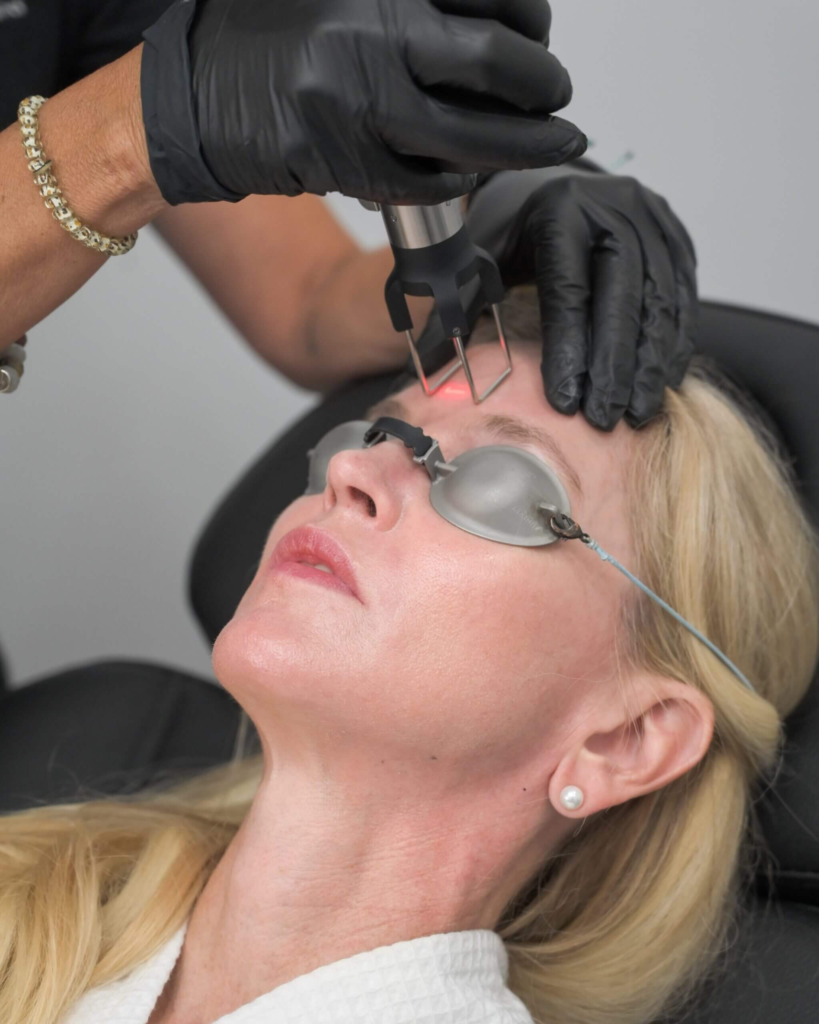
Sun damage and the signs of aging are inevitable—but what if you could press a “reset button” on your skin? At Physician Aesthetic Institute, we’ve seen firsthand how CO2 laser resurfacing can transform sun-damaged, tired-looking skin into a smoother, more youthful complexion. This advanced treatment goes beyond creams and facials, targeting deep layers of the skin to reduce wrinkles, fine lines, and uneven pigmentation while stimulating your body’s natural collagen production. In this post, I’ll explain how CO2 laser resurfacing works, what results you can expect, and why it’s one of the most effective ways to refresh and rejuvenate your skin. Key Takeaways CO2 laser resurfacing selectively vaporizes damaged skin while heating underlying layers to activate collagen, enhancing wrinkles, scars, sun damage, and uneven tone. Fractional delivery minimizes downtime by targeting microscopic treatment zones and maintaining adjacent tissue to expedite healing. Ablation and vaporization cooperate to eliminate surface flaws and polish texture. The regulated thermal impact tightens skin over time. Look for continuous collagen remodeling for months with increasing tightening and smoothing. Optimal prospects are those with specific issues like wrinkles, acne scars or sun spots and have reasonable expectations appropriate to skin type and medical background. Darker skin tones can be served with customized, conservative fractional protocols and diligent sun avoidance to minimize pigment hazards. Well-designed journey optimizes results comprising detailed consultation, specific pre-care, careful intra-procedure settings, and attentive aftercare. Expect a week or two of social downtime for full-field treatments and less downtime for fractional sessions. Recovery success requires scrupulous wound care and moisturization, strict UV avoidance using broad-spectrum sunscreen at 2 mg/cm2 and physical barriers. Monitor healing with photos, resist early picking and makeup, and resume actives such as retinoids only after complete re-epithelialization. Outcome depends on both technology and technique. Select a seasoned provider who personalizes energy, density, and pattern. Go for erbium lasers, chemical peels, or microneedling when you want less downtime or your skin type requires it. CO2 laser resurfacing is a doctor-only treatment that employs a carbon dioxide laser to vaporize damaged skin layers and stimulate new collagen production. In clinical use, it treats fine lines, wrinkles, sun damage, acne scars, and uneven tone very precisely without damaging the surrounding tissue. Fractional patterns, energy fluence, and pulse durations are customized for skin type and goals, which enhances texture and firmness with reduced risk and downtime. Generally, patients require 5 to 10 days for initial healing and experience consistent improvements over 3 to 6 months as collagen develops. At Physician Aesthetic Institute in Bonita Springs, care plans feature full skin typing, pretreatment for pigment control, and guided aftercare to reduce swelling and support safe, even results. The Science of CO₂ Laser Resurfacing CO₂ laser resurfacing, a popular choice among cosmetic surgeons, boasts a focused infrared light of 10,600 nm that gently removes damaged layers with micrometer precision while delivering precise heat to the dermis. This advanced laser treatment clears aged cells and jump-starts collagen synthesis, improving texture, tone, and firmness in concert. Full-field ablative passes effectively address deep-set lines and scars, while fractional laser patterns are ideal for larger areas with quicker healing. Issues such as wrinkles, acne and surgical scars, and uneven tone respond particularly well to these innovative skin resurfacing technologies. 1. Vaporization The beam turns intracellular water to steam, vaporizing targeted tissue and lifting away destroyed keratinocytes and melanocytes on the surface. This smooths out fine lines, mottled pigment, and rough scale on a single plane. Micro-columns of injury create a lattice that triggers hemostasis, inflammation, and remodeling. Fibroblasts move in, deposit new collagen, and reconstruct the extracellular matrix, which produces a more uniform light reflectance and tactile smoothness. Selectivity is the key. Short pulses and small spot sizes localize energy to the target site, protecting surrounding tissue and reducing the risk of scar. This level of detailed mapping around pores, follicles, and adnexal units protects normal skin yet addresses the issue. 2. Ablation Ablation is the controlled elimination of the epidermis and sometimes superficial dermis through high-intensity pulses. At standard parameters, optimal ablation is obtained at around 5 joules per square centimeter of fluence with a sub-millisecond pulse duration to minimize thermal diffusion. Full-field ablation smoothes out deep wrinkles, pitted acne scars, and pronounced photodamage. Fractional ablation, on the other hand, addresses a fraction of the skin in a matrix, hedging impact and downtime. It smooths texture and refines the overall complexion. 3. Thermal Effect Heat spreads below the ablation zone and remodels collagen via denaturation and neocollagenesis. Controlled thermal load tightens laxity, including delicate eyelid skin. Temperature and dwell time are closely controlled to minimize risk and optimize lift and firmness. This thermal cue accelerates repair and enhances elastic recoil. 4. Fractional Technology Create microscopic treatment zones surrounded by intact tissue that speed re-epithelialization. Downtime and infection risk decrease compared to traditional full-field passes. Coverage, energy and passes can be adjusted for scars, pigment or lines. Advantages are less trauma, less risk of permanent scarring, and usefulness for a wider range of skin types. Fitzpatrick I–II are still the lowest risk for dyspigmentation. For III–VI, complication risk increases. Pretreatment with hydroquinone and glycolic acid can help decrease post-inflammatory dyspigmentation. 5. Collagen Remodeling CO₂ resurfacing induces robust collagen I and III production that extends for months. Firmer, smoother, more radiant skin ensues as fibers realign and thicken. Acne, trauma or surgical scars soften when thermal injury is deposited below the scar bed and then remodeled. Medical applications go beyond aesthetics and include specific keratinocytic skin cancers. Multiple sessions are necessary for most patients, spaced weeks to months apart, with full recovery at minimum one month. Skin (Fitzpatrick I–II) tends to do best. Darker tones necessitate careful settings and diligent post care. Are You a Candidate? Candidacy for laser skin treatments depends on skin type, concerns, medical history, and goals. Evaluation extends to previous treatments, existing skin care, medications, downtime tolerance, and sun exposure habits, ensuring a safe plan is established. Skin Types Fair to medium complexions (Fitzpatrick I–III) react predictably to CO₂ laser skin resurfacing, showing minimal risk of pigment alteration