Laser Hair Removal Services: Book a Consultation Today
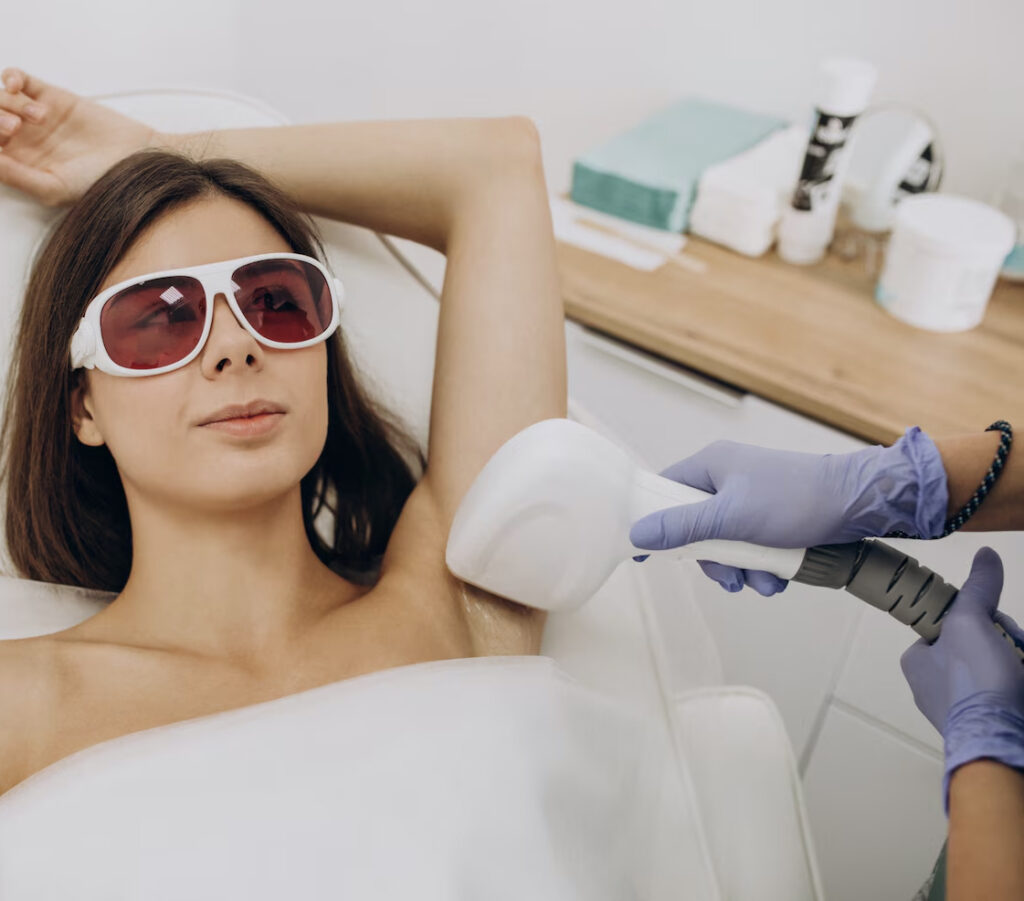
Unwanted hair can be frustrating, time-consuming, and difficult to manage with shaving, waxing, or plucking alone. At Physician Aesthetic Institute, we offer advanced laser hair removal services designed to safely and effectively reduce unwanted hair while keeping your skin smooth and healthy. This treatment provides long-lasting results with minimal downtime, making it an ideal option for busy lifestyles. In this post, I’ll explain how laser hair removal works, who it’s best for, and why scheduling a consultation is the first step toward easier, more confident skin care. Key Takeaways Laser hair removal directs selective photothermolysis at the follicle for permanent reduction, not permanent immediate removal. Anticipate multiple treatments spaced by hair-growth cycles for the best results and gradually smoother skin. Device choice matters for safety and efficacy across skin tones and hair colors, with Nd:YAG favored for darker skin and diode or alexandrite for lighter skin. It is best on dark, coarse hair. Blonde, red, gray, or white hair usually requires different approaches. Preparation and aftercare make for better results and less risk, which means no sun, waxing or plucking, or photosensitizing products before treatment. Aftercare includes soothing gels, no heat or intense exercise for 24 to 48 hours, and make sure to apply broad-spectrum sunscreen. The sensation, a rapid snap, is brief and tolerable for most, with cooling and topical anesthetics available. Pain depends on location, hair coarseness, and your personal pain threshold. Your suitability depends on skin tone, hair type, health conditions, and medications, so a medical consultation is necessary to customize settings and reduce side effects. Tell her about your history, hormone status, and recent sun exposure so she can set realistic expectations and plan maintenance. Select a seasoned provider who calibrates by skin type and hair density and who provides results-based documentation. Expertise minimizes side effects and maximizes long-term reduction. Monitor results in between appointments to adjust timing and upkeep. Laser hair removal is a medical procedure that utilizes concentrated light to target and destroy hair follicles for permanent reduction. We use state-of-the-art diode and alexandrite platforms with real-time skin cooling to optimize comfort and safety for skin types I–V in our clinic. Sessions last 10 to 45 minutes depending on the size of the area treated, and most patients require 6 to 8 treatments spaced 4 to 6 weeks apart to coincide with hair growth cycles. Anticipate something like a 20 to 30 percent decline in hair density after each visit, with softer regrowth over time. Popular treatment areas include the face, underarms, bikini, legs, chest, and back. We consider hair color, follicle depth, and Fitzpatrick type when determining optimal settings for fluence, pulse width, and spot size. The LZR hair removal success stories here are inspiring, and the next sections explain prep, aftercare, and costs. Understanding Laser Hair Removal Laser hair removal treatments utilize targeted beams of light energy to heat up and disable hair follicles for effective hair reduction. This treatment option surpasses shaving and waxing as it focuses on the root of hair growth rather than just the visible hair. Given that hair follicles cycle through growth phases, multiple laser hair removal treatments are necessary. This medical procedure employs advanced laser systems and safety measures to minimize risk and enhance effectiveness. 1. The Science Selective photothermolysis is the core principle. The laser emits specific wavelengths that melanin in the follicle absorbs, converting light to heat. This heat damages the hair matrix and the bulge stem cells that fuel regrowth, stalling or halting new hair. It’s the contrast that counts. Dark, coarse hair on lighter skin reacts most favorably. Lighter hair or less contrast might require additional treatments or might not respond as effectively. When parameters are set correctly, the energy is limited to the follicle, which limits injury to the surrounding skin. 2. The Technology Common systems include diode, which is fast and versatile; alexandrite, which is efficient for fair to medium skin; Nd:YAG, which is safer for darker skin; and older ruby units, which have niche use. Newer platforms offer larger spot sizes, faster repetition rates, and integrated diagnostics that automatically adjust fluence and pulse width by skin type, helping safety. Epidermal protection is achieved by contact cooling tips, chilled air, or cryogen spray, frequently in conjunction with a clear couplant gel to enhance coupling and minimize surface heating. There are home devices using lower-energy diode or IPL. They can thin hair with diligent application but are slower and less potent than clinic lasers. 3. The Sensation Most say it feels like a brief snap or slight sting, like a rubber band. Topical anesthetic can be applied for less pain, particularly in sensitive areas like the bikini line or upper lip. Sensation differs by location, hair coarseness, and pain threshold. Coarse hair is scratchier. Many people experience it as more convenient than waxing or electrolysis. 4. The Target Lasers most effectively treat terminal hairs. Fine vellus hairs take up less energy and react badly. Just the follicle is targeted, while nearby skin is spared when settings and cooling are right. Hairs in the anagen (active) phase react best, so sessions are spaced four to eight weeks apart by region. The face, underarms, bikini line, chest, back, and legs can all be treated with customized settings. 5. The Goal The aim is significant, lasting reduction, not guaranteed permanence. Most experience a 60 to 90 percent reduction after six to eight sessions, with occasional maintenance. Anticipate transitory erythema or pigment changes, which are normally slight. Preparing well by avoiding sun exposure, stopping photosensitizers, and shaving 24 hours in advance lowers risk and enhances outcomes. Results vary by skin color, hair color, and coarseness. Your Personal Candidacy Laser hair removal treatments work best when your skin type, hair color, and health history align with the laser system and settings. Candidacy shapes outcomes, security, and rest. Create a short list: skin tone, hair color and thickness, medications, hormones, past sun exposure, and lifestyle. Use it to drive goal-setting, timing, and planning for the probable six to eight sessions required for effective hair reduction. Skin Tone Fitzpatrick