
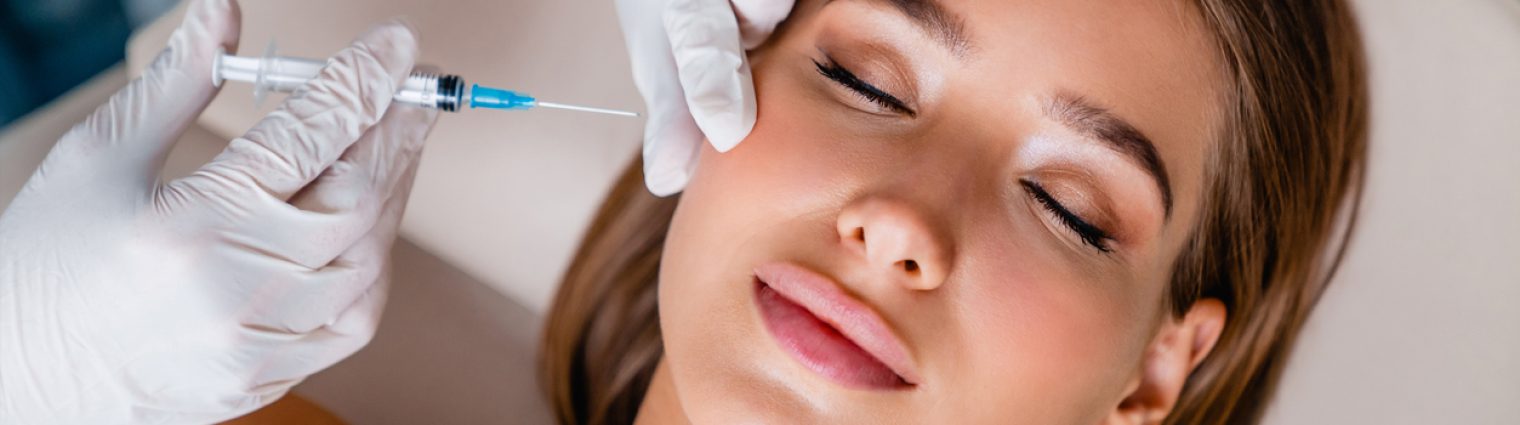
When it comes to facial rejuvenation, Botox and dermal fillers are two of the most popular and effective options—but they serve very different purposes. At Physician Aesthetic Institute, one of the most common questions we hear is, “Which one is right for me?” The answer depends on your goals, facial anatomy, and how you want to age. In this post, I’ll break down the key differences between Botox and fillers, explain what each treatment is designed to do, and help you understand how to choose the option that will deliver the most natural, confident results for you.
Key Takeaways
- Wrinkle relaxers use purified botulinum toxin to temporarily inhibit neuromuscular transmission, softening dynamic lines in the upper face with visible results in 3 to 7 days and typical longevity of around 3 to 4 months. Popular variants like onabotulinumtoxinA, abobotulinumtoxinA, incobotulinumtoxinA, and daxibotulinumtoxinA exist, all engineered for targeted, local impact.
- Dermal fillers are biocompatible gels like hyaluronic acid or calcium hydroxylapatite that replenish volume, sculpt contours, and address static lines with effects apparent right away and lasting between six to twenty-four months depending on the product and location. Hyaluronic acid families and calcium-based options are popular brands, all with distinct rheology for different indications.
- Mechanism is what determines the choice. Neuromodulators soften expression lines by relaxing underlying muscles of movement, while fillers volumize and support cheeks, lips, chin, jawline, and hollows under the eyes to achieve more balanced facial proportions.
- We were told to match treatment to the area and goal. Pick wrinkle relaxers for forehead, frown lines, crow’s feet, subtle brow lift or jaw slimming and fillers for mid-to-lower face rejuvenation including cheeks, nasolabial folds, marionette lines, lips, chin, jawline, non-surgical nose refinement and hand rejuvenation.
- Schedule with timing and upkeep in mind. Anticipate neuromodulator peak effect around 2 weeks and standard repeat treatments every 3 to 4 months. Plan filler follow-ups according to product-specific duration, metabolism, and injection plane to sustain consistent results.
- Take a decision process. Determine if you’re dealing with movement wrinkles or volume loss. Look at trusted before and afters. Visit a qualified injector to create your own personalized map that might be a combination of both modalities. Follow aftercare like icing, avoiding pressure, and pausing strenuous activity for 24 hours to minimize side effects and maximize results.
The comparison between botox and fillers includes two types of injectables used to smooth lines and restore facial volume, with different mechanisms and effects. Botox (onabotulinumtoxinA) relaxes dynamic muscles to soften forehead lines, glabellar frown lines, and crow’s feet. Onset is within 3 to 7 days with an effect lasting 3 to 4 months. Dermal fillers, typically hyaluronic acid gels, provide structure and volume to cheeks, lips, nasolabial folds, and tear troughs, with instantaneous results and a lifespan of 6 to 18 months based on product rheology and location. Safety relies on experienced evaluation of anatomy, dosing, and vascular mapping, with enzyme reversal of HA fillers if necessary. To inform intelligent decisions, the sections below juxtapose indications, product varieties, duration, risks, and achievable results.
Understanding Wrinkle Relaxers
An understanding of wrinkle relaxers is essential for anyone considering dermal filler treatments. Wrinkle relaxers are neuromodulators, or purified botulinum toxin, that decrease movement in targeted facial muscles. They accomplish this by preventing acetylcholine release at the neuromuscular junction, thereby temporarily weakening the targeted muscle. Less muscle movement means that dynamic wrinkles—those formed by frowning, squinting, or raising the brows—relax both at rest and when we make an expression. This effective way to achieve a refreshed look is increasingly popular among individuals seeking non-invasive cosmetic procedures.
All of these injectables are FDA-approved for glabellar lines between the brows, horizontal forehead lines, and crow’s feet at the outer eye. They provide a wonderful nonsurgical path for individuals who desire a subtle, organic transformation with zero time off. Some begin in their 30s to preemptively slow line etching, while others wait until their 40s or 50s when lines remain after expressions. Men frequently opt for botox injections to soften deep forehead lines and crow’s feet, achieving a rested yet still masculine, natural appearance.
Treatment is fast, often taking 10 to 20 minutes, with little downtime. Tiny needles administer micro-doses into muscles including the corrugator and procerus (frown lines), frontalis (forehead lines), orbicularis oculi (crow’s feet), and orbicularis oris (subtle “lip flip” for a slightly fuller upper lip outline). Most people notice results within 2 to 5 days, peaking around the 2-week mark. Results last approximately 3 to 5 months; however, duration is dependent on dose, muscle strength, metabolism, and treatment interval. Prices are typically unit-based and can start near $15 a unit, with overall cost associated with surface area and dosing requirements.
Safety is proven over decades of usage. Typical minor side effects are tiny bumps, redness, or bruising that resolve in days. As a 2019 review observes, eyelid droop, especially with repeat, higher-dose, long-term use, affects roughly 5% to 10% of people, but very specific dosing and placement help reduce this risk. Patients who work out vigorously, have forceful facial muscles, or metabolize at a quicker rate might require marginally higher doses or shorter spans to uphold outcomes.
- Common brands and notes: * Botox: Widely studied, predictable onset and spread.
- Dysport: Faster onset in some, broader diffusion useful for larger areas.
- Xeomin: “Naked” toxin without complexing proteins, may reduce antibody risk.
- Jeuveau: Similar performance to Botox, often favored for cosmetic use.
Understanding Injectable Volume
Understanding injectable volume is crucial as it explains the distinct roles of fillers and Botox in cosmetic treatments. While Botox injections work to relax muscle-based wrinkles, dermal fillers provide contour and volume to the face. These gel-like substances are injected under the skin to restore contours and bolster tissues that thin with age, allowing for non-surgical facial rejuvenation with results that can be seen immediately.
Dermal filler treatments, primarily using hyaluronic acid (HA), are designed to mimic the body’s natural hydrating matrix. When strategically placed along the cheekbone, they elevate flat or hollowed cheeks. In the lips, these fillers add shape, definition, and symmetry, avoiding an unnatural bulk. They effectively soften creases in the nasolabial folds and marionette lines by restoring lost volume. Additionally, under the eyes, they can diminish shadows from hollows, while at the temples, they address concavity that can prematurely age the upper face. These resting wrinkles are not influenced by movement, which is why Botox alone cannot remedy them. Instead, filler treatments specifically target static wrinkles and volume loss, leading to an immediate enhancement of facial fullness and contour.
The duration of results from dermal filler procedures varies based on the material used, the injection site, and individual metabolism. HA fillers typically last between 6 to 12 months in mobile areas like the lips, while they can last 9 to 18 months in less mobile zones such as the cheeks. Other options, like Poly-L-lactic acid, stimulate new collagen production and can last up to two years post-series. Certain calcium hydroxylapatite products provide firmness for 12 to 18 months. While these fillers do not stop the aging process, they effectively slow its visible signs by rebuilding and framing facial structures.
When considering cosmetic procedures, it’s important to note that the prices for popular brands of dermal fillers can range from $600 to $1,100 per syringe, with 1 to 3 syringes commonly used for cheeks or folds. Smaller quantities are often required for areas like the lips or under-eyes. In contrast, Botox visits are typically shorter, lasting only 10 to 15 minutes, and focus on combating movement lines rather than addressing volume issues.
- Juvederm (HA): versatile range, soft lip framing, deep fold assist.
- Restylane (HA) provides precise control and is good for tear troughs and fine lines.
- RHA Collection (HA): designed for dynamic areas; natural movement.
- Belotero (HA): very smooth for superficial etched lines.
- Radiesse (calcium hydroxylapatite) provides a strong lift, supports collagen, and avoids very fine lines.
- Sculptra (poly-L-lactic acid) promotes gradual collagen build and provides global volume over months.
Ultimately, a consultation with a qualified provider is essential for crafting an effective treatment plan that aligns with your aesthetic goals. Understanding the differences between these injectable treatments can help in achieving the refreshed look you desire while ensuring comfort and safety throughout the process.
Key Differences: Botox vs Fillers
Both botox injections and dermal filler treatments enhance facial aging but work in different manners. Botox relaxes overactive facial muscles to soften dynamic lines, while fillers restore volume and support to address static folds and hollows. Select based on your wrinkle type, anatomy, and aesthetic goals across the face.
- Comparison summary: * Mechanism: Botox is a neuromodulator. Fillers are volumizing gels.
- Purpose: Botox reduces movement lines. Fillers restore structure.
- Areas: Botox is used on the upper face. Fillers are used on the mid/lower face and hands.
- Onset: Botox takes 3 to 10 days. Fillers have an immediate effect.
- Longevity: Botox lasts 3 to 6 months. Fillers last 6 to 24 months.
Factor | Botox (neuromodulators) | Dermal fillers |
|---|---|---|
Mechanism | Blocks acetylcholine to reduce muscle activity | HA or CaHA gels/microspheres add volume |
Purpose | Smooth dynamic wrinkles | Fill lines, lift, contour |
Areas | Forehead, glabella, crow’s feet, brow lift, jaw slimming | Cheeks, lips, nasolabial folds, chin, jawline, temples, under-eyes, marionette lines, nose, hands |
Results | 3–7 days; full effect ~14 days | Immediate; refine as swelling settles |
Longevity | ~3–4 months (often 3–6) | ~6–12 months, up to 24 months |
1. Mechanism
Botox and similar neuromodulators shut down nerve signals at the neuromuscular junction, reducing muscle contraction and stopping new expression lines from carving in. This relaxes movement without creating any additional mass.
Dermal fillers utilize biocompatible materials, most commonly crosslinked hyaluronic acid or calcium hydroxylapatite microspheres, to physically fill in space, thicken the dermis and support soft tissue compartments. They fix deflation and refine contours.
Botox is a neurotoxin-based injectable, while fillers are gels or particles engineered for lift and structure. Both are minimally invasive but operate via different biology: chemodenervation versus volume restoration.
2. Purpose
Botox diminishes dynamic lines caused by repeated motion, like frowning, squinting, or raising your forehead.
Fillers replace lost volume, sculpt cheeks and jawline, and soften deep folds such as nasolabial and marionette lines.
Wrinkle relaxers focus on muscle contraction, while fillers address tissue thinning and structural support. Both are great aging weapons that are deployed against different issues or in tandem.
3. Treatment Areas
Common Botox areas include forehead lines, glabellar frown lines, crow’s feet, subtle chemical brow lift, and masseter reduction for jaw slimming.
Fillers address cheeks, nasolabial folds, lips, chin, jawline, under-eye hollows, and marionette lines. They provide temple volume, nose refinement through liquid rhinoplasty, and hand rejuvenation.
Plans usually mix the two to balance upper face movement control and mid to lower face structure.
Procedure time varies: Botox takes 15 to 30 minutes. Fillers take 30 minutes or more, depending on mapping and product.
4. Results Timeline
Botox: visible change in 3 to 7 days. It will fill in about 2 weeks, sometimes as many as 10 days.
Fillers provide an immediate lift, with the best look appearing after minor swelling settles over several days. Downtime is small with both, so most folks are back to business as usual in no time.
- Botox onset: days
- Filler onset: immediate
5. Longevity
Botox injections typically last 3 to 4 months, often extending to 6, while dermal filler treatments can last 6 to 12 months, and in some cases, up to 2 years, depending on the product and treatment area. The costs for these cosmetic procedures vary, with Botox priced per unit, often requiring 25 to 50 units for areas like the forehead and eyes. Dermal filler injections generally range from $682 to $901 per syringe, and many cases may need multiple syringes. While Botox may cause side effects like headaches and swelling, fillers can lead to bruising and swelling as well.
Choosing Your Treatment
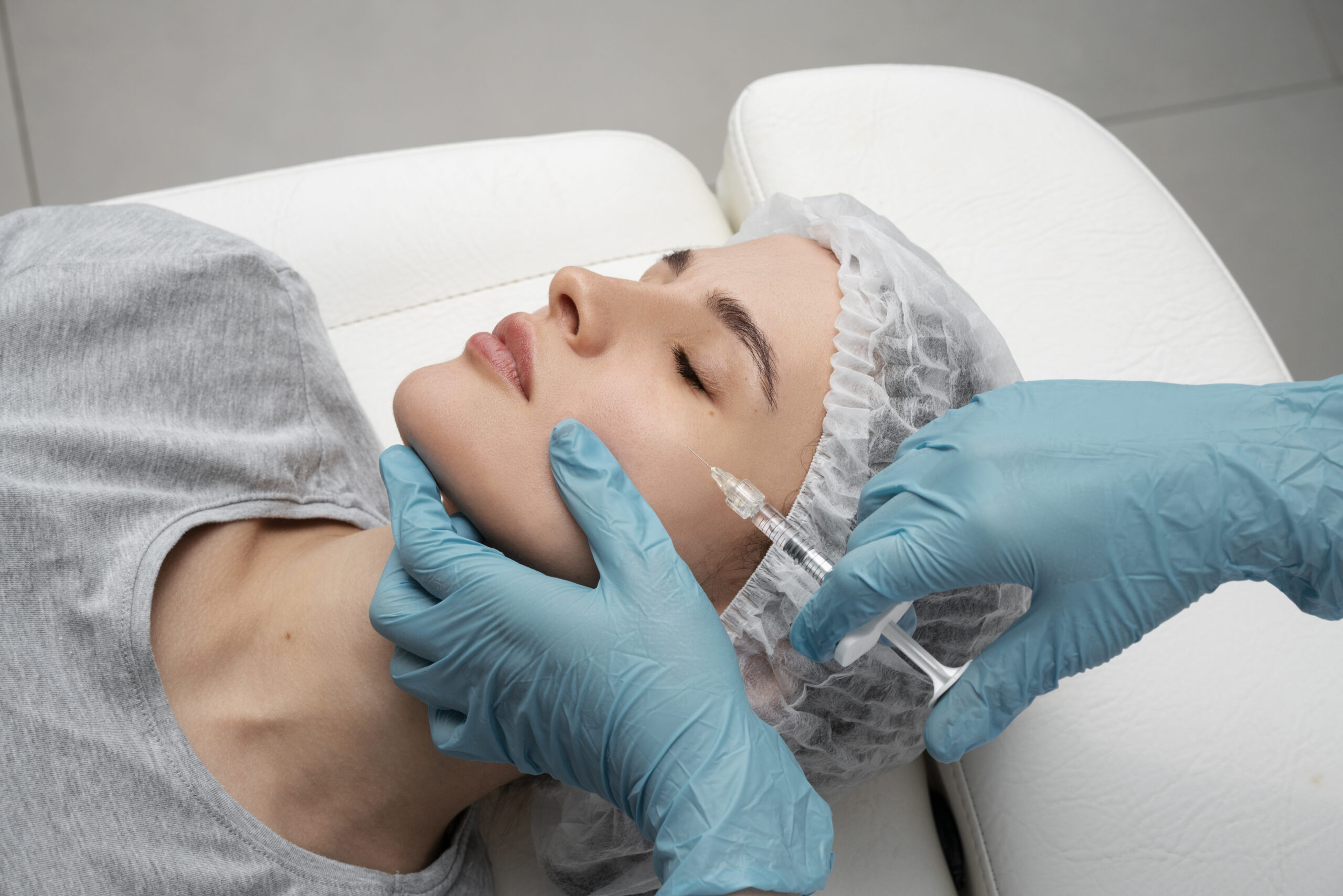
It begins by identifying what you want to fix. Dynamic wrinkles, resulting from facial muscle movement, manifest as forehead lines, crow’s feet, and frown lines. Botox injections work best here by relaxing the muscle to soften the crease. Meanwhile, static lines and hollows indicate volume loss, which dermal filler treatments can effectively address. These fillers provide lift and support in smile lines, marionette lines, lips, cheeks, under-eye tear troughs, and temples. If you notice both movement lines and deflated contours, you probably require a combination of these cosmetic procedures. There’s no one-size-fits-all approach, and it’s this cause-to-tool match-up that protects a natural appearance.
Clear goals and a defined timeframe are essential. For a fast refresh for an occasion, Botox cosmetic treatments require only 10 to 15 minutes and calm down within 7 to 14 days, with effects lasting for approximately 3 to 4 months. In contrast, filler treatments require 30 to 60 minutes and frequently display a near-immediate transformation, persisting between 6 months and 2 years depending on the product, placement, and your metabolism. If you want subtle global balance, consider layered planning: light Botox in the upper face to ease movement lines and conservative dermal filler injections in the midface or lips to restore shape. If sharper contouring is desired, begin by providing cheek or chin support and then address fine lines.
Evaluate facial anatomy with a trained eye. Brow position, forehead height, hairline, eyelid heaviness, midface volume, dental bite, and skin thickness all impact the treatment plan. High-set brows may require lower Botox doses to prevent a drop. Thin skin under the eyes necessitates soft, low-G fillers and micro-aliquots to minimize puffiness. Strong masseter muscles can square the jaw, and Botox can slim them while filler to the chin projects and balances the profile. The correct dose, rheology, and depth of placement are as important as the product brand.
View age, skin type, and face shape matched before-and-after photos. Seek out even lighting, fixed angles, and natural smiles. Smooth out movement; do not freeze it with Botox. For fillers, look for preserved facial ratios, flawless tear troughs with no shelfing, lips that maintain the white roll, and cheeks that lift without chipmunk bulk. Both injections are safe in expert hands, though minor swelling or bruising is possible. A customized map based on your anatomy, issues, and objectives generates results that resemble you on a great day.
The Art of Combining Treatments
Like magic, a liquid facelift combines wrinkle relaxers, such as Botox injections, and dermal fillers to restore shape, symmetry, and skin texture without surgery or extended recovery. Relaxers like Botox minimize dynamic lines by relaxing muscle pull, while dermal filler treatments replace lost volume, support tissue, and define contours. When these injectable treatments are used together, they address different layers and vectors of facial aging, which can produce more natural results than either alone.
A combined treatment plan works effectively because it matches how the face ages: muscle overactivity etches lines, fat pads deflate and shift, bone resorbs, and skin thins. The art of mixing procedures allows relaxers to soothe motion, preventing wrinkles from deepening, while fillers recreate scaffold and lift, enhancing how light bounces beautifully across cheeks, temples, and jaw. This pairing can protect and extend results, as Botox reduces mechanical stress on filler, and dermal fillers work to restore structure so muscles can relax in a balanced way.
Treatment areas are cartographed according to zone and use. For the forehead and brow, Botox is applied to the frontalis with small, precise doses that spare brow heaviness, while filler is used for temples to correct hollowing that drags the brow’s tail. In the eyes and midface, Botox is utilized for crow’s feet and a subtle brow lift; hyaluronic acid is injected along the cheek apex and sub-malar region to indirectly lift the under-eye, with filler treatments in the tear trough only if necessary. For the mouth and lower face, a Botox “lip flip” addresses fine perioral lines and down-turned corners, while fillers are used for lip shape, philtral columns, and chin support.
Phasing adds control and subtlety to the procedure. A typical cadence over 2 to 3 months is as follows: month 0—relaxers to the upper face and masseters; week 4 to 6—foundational filler to cheeks, chin, and jaw; week 8 to 10—refinement around lips and tear troughs if still needed. For special events, it is recommended to place fillers 4 to 6 weeks prior and Botox injections 2 to 3 weeks ahead to hit the peak, allowing time for fine-tuning.
Expect minimal downtime compared to surgery: brief swelling or bruising that usually settles within days, with results that look refreshed rather than “done.” A full session can decrease total visits by tackling multiple areas in one treatment. Clear targets, face mapping, and truthful timetables count. So does aftercare: no heavy workouts for 24 hours, sleep on your back for a night or two, avoid heat and pressure on treated areas, and attend follow-ups for small adjustments that keep outcomes steady and natural.
Safety and Aftercare
Safety with Botox and fillers begins with knowing what’s normal, when to stop activity, and simple steps that safeguard results. Both are medical treatments, so screening, product, and injector skill are as important as the syringe.
The majority of individuals witness localized, short-term effects at the sites of injection. Expect light redness, puffiness, micropuncture marks, and sensitivity that subside within hours. Little bruises and puffiness can last a few days. There are rare instances where swelling or discoloration may last one to two weeks, particularly with lip or tear trough fillers, where the tissue is thin. With Botox, studies indicate around 16% of patients in the upper face experience side effects, usually headache, mild swelling, or temporary eyelid heaviness when the product diffuses. Allergic reactions to Botox are uncommon, yet possible. Fillers have specific risks related to gel placement and vascular anatomy. Nodules from product aggregation are generally treatable, but granulomas—an immune reaction to filler—can develop months or years later and may require corticosteroids, hyaluronidase for HA fillers, or surgical intervention.
Aftercare minimizes these concerns and guards symmetry. Remain upright for three to four hours so the product sets as designed. Avoid rubbing or massaging treated areas for twenty-four hours. This means no face-down massage, tight goggles, or heavy helmets. Limit swelling with cool compresses or ice packs wrapped in a cloth for ten minutes on and off. Avoid strenuous exercise, alcohol, and excessive sun or heat for the remainder of the day to minimize vasodilation and bruising. While most side effects with Botox and fillers fade within a few days to a week, they remain uncomfortable. Schedule your social or work engagements with some buffer. For lips or under-eye filler, sleep with your head slightly elevated the first night and delay dental work for one to two weeks to prevent pressure and bacterial risk.
Screening counts. Reveal all blood thinners, such as aspirin, NSAIDs, and high dose fish oil, and suspend them when medically safe with direction. Share any neuromuscular disorders or Lou Gehrig’s disease history as these impact Botox safety and dosage. Expert injectors mitigate risks with sterile technique, anatomic mapping, conservative dosing, and plans for reversal or management should there be issues.
Conclusion
To summarize, wrinkle relaxers smooth lines from powerful muscles. Fillers replace volume in areas that are low with shape and lift. Both have obvious parts to play. Both can look natural with the appropriate strategy.
Think resting frown lines that appear unforgiving on Zoom calls. A tiny shot of botulinum toxin suddenly smooths out in 7–10 days. Imagine a pancake midface that droops in pictures. A couple of mils of hyaluronic acid plumps the cheek and softens the fold at once. Use them in tandem for a zen forehead and a chiseled jaw. Dose low. Trace out the face. Record results.
So, ready to discover your cocktail? Book a consult at Physician Aesthetic Institute in Bonita Springs. Bring your objectives. Walk away with a strategy tailored to your face and your lifestyle.
Frequently Asked Questions
What is the main difference between Botox and fillers?
Botox cosmetic works by relaxing facial muscles to smooth dynamic wrinkles, like frown lines, while dermal filler treatments add volume to soften static lines and restore facial contours, such as cheeks and lips, making them very complementary.
How long do results from Botox and fillers last?
Botox cosmetic usually lasts 3 to 4 months, while most hyaluronic acid fillers, a popular choice for facial rejuvenation, last 6 to 18 months depending on the product and treatment area.
Which treatment is best for forehead lines?
Botox injections are typically best for treating forehead and frown lines caused by facial movement. This cosmetic procedure relaxes the muscles responsible for wrinkles, resulting in a refreshed look.
Can I combine Botox and fillers in one session?
Yes. Many providers will even combine botox injections and dermal filler treatments to treat movement lines and volume loss in tandem. This measured approach can provide a more natural, longer-lasting effect, tailored following a consultation.
Are Botox and fillers safe?
Both botox injections and dermal filler treatments are generally safe when performed by licensed, experienced injectors. Typical side effects are temporary redness, swelling, or bruising. While serious complications are rare, they are possible, so it’s essential to pick a qualified provider and heed the post-care directions.
How do I choose between Botox and fillers?
Pair the right cosmetic treatments with your concern. Use botox injections for expression lines, while opting for dermal filler treatments to address volume loss or etched-in lines. A consultation with a qualified provider will affirm what is best for your aesthetic goals.
What aftercare should I follow?
Avoid rubbing the area, engaging in vigorous exercise, and exposing yourself to heat for 24 hours after your botox injections. Remain upright for 4 hours post-procedure, and use soothing skincare and sunscreen to ensure optimal results.