
Key Takeaways
- Fillers add back the volume, soften the wrinkles, and re-contour all in one session for instant, natural-looking rejuvenation with minimal downtime. You will see immediate transformation and complete polish in days.
- Hyaluronic acid and biostimulatory fillers assimilate with your facial tissues to support natural movement while enhancing hydration, elasticity and skin quality. Opt for clinically proven biocompatible products with safety approval.
- Strategic placement targets cheeks, temples, under-eyes, lips, jawline, and chin to rebalance proportions and correct asymmetries. Your individualized plan matches technique, product, and dose with your facial structure and objectives.
- Fillers can stimulate collagen for more durable firmness and texture enhancements as time goes on. The effects depend on the product and treatment area, usually lasting a few months to two years with occasional touchups.
- Professional expertise is needed to optimize outcome and avoid risks like bruising or vascular events. Pick a medical provider with specialized anatomical training, strong complication protocols, and a history of natural results.
- Prepare with a detailed consultation, adhere to specific aftercare, and plan maintenance every 6 to 12 months to maintain results. Consider pairing your fillers with neuromodulators or skin boosters for the ultimate, long-term approach.
Benefits of professional fillers are accurate volume replacement, line smoothing and harmonized facial contouring with effects that last 6 to 18 months. In professional hands, hyaluronic acid gels meld with tissue to erase nasolabial folds, lift cheeks and define lip borders without the duck lips. Physician-led care brings safety from sterile technique to vascular mapping and dose control. Tailored plans select filler type, depth and rheology for each area, then stage sessions to minimize swelling and bruising. Many patients combine fillers with neuromodulators or skin boosters for improved texture and lift. Defined timelines, cost ranges and aftercare all help establish tangible goals. The below chapters cover candidacy, product selection, precautions and aging of results.
The Transformative Benefits of Fillers

Expert dermal fillers restore facial volume, smooth deep-set lines, and sculpt facial contours with minimal downtime. Results from filler injections demonstrate immediate improvement, often in minutes, and may last six to twenty-four months depending on the product and treatment areas.
1. Volume Restoration
As we age, loss of fat pads and bone support in the midface, temples, and under-eyes can leave the face looking fatigued and sunken. HA fillers bring back that bounce in your cheeks, smooth out the midface, and soften those tear trough shadows for an instantly fresher appearance. For deeper deficits, facial fat grafting is an option. Most clients opt for HA because it is more precise, reversible, and has minimal downtime.
Lips that thin with age can be sculpted with micro-aliquots to add soft body, define the border and smooth smoker’s lines without an overfilled appearance. Chin and jawline fillers enhance lower-face equilibrium, prop up the mouth corners and can hide nascent jowls by restoring structure in areas where volume was depleted.
Targeted touchpoints such as the zygoma, piriform fossa, pre-jowl sulcus, and chin apex help reframe the face with balanced lift rather than bulk. Treatment takes minutes and there may be mild swelling or bruising that fades in days.
2. Wrinkle Softening
Static folds such as nasolabial folds and marionette grooves respond beautifully to HA in supportive planes, minimizing shadow and depth without altering facial identity. Fine etched lines around the lips and cheeks soften with low-viscosity fillers that integrate into superficial tissue.
For dynamic lines on the forehead and crow’s feet, you will need neuromodulators. Fillers then polish out remaining wrinkles. Atrophic acne scars respond when fillers enhance indented zones and improve texture.
Nearly all patients notice a definite improvement without surgery, and due to the minimally invasive nature of the approach, their daily routine can be resumed quickly.
3. Contour Definition
Chin filler has the ability to transform facial harmony by projecting the lower one-third for side profile improvement, balanced nose and lips. Small adjustments of one to two milliliters can frequently alter proportions just enough to define the jawline and improve the neck angle.
Cheek sculpting brings the light back into the malar highlight while maintaining a natural midface. Minor asymmetry corrections, such as slightly uneven jawline or cheek fullness, rely on strategic placement instead of volume, delivering a whisper-quiet non-surgical facelift effect. All plans are customized to each face, structure, and objectives.
4. Skin Hydration
HA fillers bind water, boosting dermal hydration and elasticity in regions such as the cheeks and perioral. Skin appears more velvety, less lackluster, and more luminescent as microdroplets draw in hydration.
Hydration-centric fillers can smooth texture without altering shape. Over time, enhanced water balance promotes firmness and healthier-looking skin.
5. Confidence Boost
Little, strategic tweaks give you the biggest bang, particularly in your chin and midface where improved proportion translates as rested and competent. Too many clients walk out looking decades younger as etched lines melt away and contours return.
It’s an easy procedure with easy injections, a quick appointment, and little downtime. Side effects tend to be minor and short-lived. Non-surgical rejuvenation allows you to get back to work or drinks quickly, with results lasting months to years.
The Science of Rejuvenation
Professional dermal fillers replace diminished volume, fill lines, and sculpt facial contours by depositing biocompatible gels at strategic tissue planes. They sponsor non-surgical facial rejuvenation with subtle, natural-looking results, no incisions, and minimal downtime. Most modern fillers depend on HA, a water-binding polysaccharide that is already in skin and joints, or on stimulators that promote natural collagen production, which diminishes from the late 20s onward.
Natural Integration
Sophisticated HA fillers are designed to be identical to the body’s own HA in size, crosslinking and rheology, so they meld with adjacent tissues instead of remaining separate. This creates seamless, natural-looking transitions in lips, midface, and tear troughs, where subtlety and pliability are a concern.
These formulations range in elasticity and cohesivity, allowing us to support lift in the cheeks, add subtle structure along the jawline, or feather fine lines around the mouth. You want motion that appears and feels like you.
As these gels are hydrophilic, they attract water in a regulated manner, assisting to plump without a “puffy” appearance. With practiced technique, the right plane, low tension, and slow injection, fillers shift with expressions instead of constraining them.
Contemporary gels are cleaned up to minimize undesired immune reactions. If required, HA is reversible with hyaluronidase, providing an additional level of safety and control.
Collagen Stimulation
CaHA and PLLA are biostimulatory scaffolds that tell fibroblasts to make new collagen. Human biopsies at 13 months demonstrate neocollagenesis around PLLA particles, which is consistent with the slow, long-lasting lift patients observe.
PLLA is a biodegradable, biocompatible synthetic polymer that has been used for decades in resorbable sutures and surgical plates and screws. That track record is important when you are placing material close to delicate neurovascular structures.
Texture and firmness enhance months later as collagen matrices thicken, aligning with the skin’s 28 to 40 day natural cell turnover. This consistent accumulation provides momentum for resiliency without disruption.
All implants induce a foreign body reaction, including protein adsorption, cell migration, and fibrotic encapsulation. With the right product and technique, the goal is a measured, productive response, not too little and not excessive fibrosis.
Lasting Results
Most fillers last six to eighteen months, with certain areas and products lasting up to twenty-four months. Metabolism, skin thickness, and mobility of the site, such as lips versus cheeks, influence longevity.
Maintenance two to three times per year can maintain contours and skin quality with modest dosing. Planning with seasonal sun or events in mind creates consistent results.
There’s everything from temporary HA to semi-permanent stimulators like CaHA and PLLA. Selection depends on need: instant lift, subtle line fill, or gradual firmness.
Side effects are most commonly immunologically mediated or due to accidental injection. They generally clear in hours to days when immediately addressed by a physician-led team using FDA-approved products and ultrasound guided method.
Your Treatment Experience
Get doctor-spearheaded, customized treatment care tailored to your face and aspirations. Your treatment experience is streamlined from consult to follow-up, leveraging advanced dermal fillers for facial revitalization and keeping you comfortable with topical anesthetic or local anesthesia for a safe and efficient visit.
The Consultation
We discuss your concerns, analyze facial proportions, and establish priorities, such as loss of volume in the midface, a soft border of the lips, and sharper jaw angles. I evaluate skin thickness, symmetry, dynamic lines, dental support, and bite, as these determine product selection and dosing.
A clear checklist keeps the visit thorough:
- Medical history, allergies, medications, and past procedures
- Photo documentation in neutral light
- Baseline mm lips, chin and malar points
- Product choice (for example, HA rheology and G’ rating) and expected durability (roughly six to eighteen months for HA)
- Budget, phasing, and touch-up plan
Your treatment experience We aim for balance and lift, not overkill. We discuss potential side effects like swelling, redness, or bruising that typically clear up within a couple of days.
The Procedure
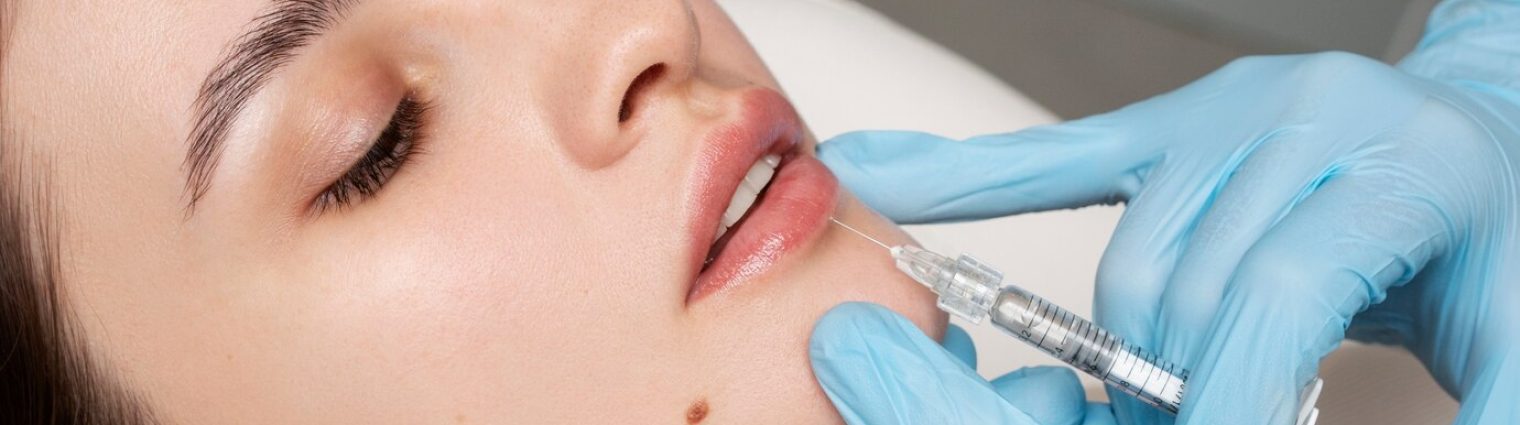
Treatment is an outpatient visit with fine needles or blunt-tip cannula for precise placement while minimizing trauma. Treatment is generally completed in 30 to 60 minutes and you can jump back to daily activities immediately.
We ease pain with topical anesthetic and lidocaine-containing fillers. Sensation is different depending on the area, and the majority of patients tolerate it well. Technique matters: layered deposition, retrograde linear threads, fanning for broad support, or microbolus along ligament zones, all matched to your anatomy for a natural look.
Results are immediate. Soft tissues settle one to two weeks as swelling subsides. Like cheek lift that brings back those middle face curves, lip hydration (not overfill) or jawline sculpting to conceal jowls.
The Recovery
Recovery is quick. Anticipate minor swelling or tiny bruises at entry sites. Arnica or cold compresses work well for the initial 24 hours.
Aftercare is simple:
- Avoid heavy exercise, heat, and alcohol for 24 hours
- Use broad-spectrum sunscreen daily to shield treated skin
- Sleep with head elevated the first night
- Delay facial massage unless advised
You’ll experience instant results, with contours smoothing as edema dissipates. The majority return to their regular activities the same day. To hold the volume, schedule periodic touch-ups and complement results with professional-grade skincare for hydration and elasticity.
Why Professional Expertise Matters
Experienced injectors utilize their knowledge of facial anatomy and injection techniques to administer dermal fillers, ensuring natural results while minimizing risk and keeping patients secure and comfortable throughout the treatment.
Anatomical Knowledge
An experienced injector maps facial layers, including skin, subcutaneous fat, SMAS, ligaments, and deep fat pads, and interprets how muscles like the zygomaticus, masseter, and orbicularis shift with speech and smile. They follow major vessels such as the angular, infraorbital, and labial arteries that differ between individuals.
Professional skill reduces the risk of vessel damage, skin breakdown, or nerve stimulation. Understanding needle gauge, cannula courses, aspiration, slow retrograde threads, and low injection pressure contributes to safety.
Balanced outcomes depend on plane selection. Use intradermal for fine lines, superficial subcutaneous for lips, and deep supraperiosteal for chin or lateral cheek support. Small, striated aliquots enhance symmetry and prevent lumps.
High-stakes zones—tear troughs and jawline—demand precision. Under the eye, soft, low-G’ hyaluronic acid in a pre-periosteal plane, minimal volume, and cannula entry away from vessels reduces Tyndall effect and swelling. Along the jaw, deep, high-G’ product gives clean definition without heaviness.
Product Selection
Filler type | Rheology/traits | Typical areas | Longevity* |
|---|---|---|---|
HA (soft) | Low G’, smooth | Lips, tear troughs, fine lines | 6–12 months |
HA (mid) | Balanced lift | Nasolabial folds, mid‑cheek | 9–15 months |
HA (high) | High G’, strong lift | Chin, jawline, cheek contour | 12–24 months |
CaHA | Biostimulatory, firm | Jawline, lower face | 12–18 months |
PLLA | Collagen stimulator | Global volume, temples | 18–24+ months |
About the importance of professional expertise. Soft HA is used for flexible lips. Mid-range HA is for dynamic folds. High-G’ HA or CaHA is used for structure in the chin or angle of the jaw. Soft HA in targeted micro-doses is for under-eye hollows.
Selection considers texture, integration and reversibility. HA can be dissolved with hyaluronidase, a crucial safety blanket. Biostimulators accumulate collagen slowly and fit long-term agendas.
A good pro mixes products between areas to suit skin type, toughness and ethnic characteristics. Then, they break down compromises in layman’s terms.
Complication Management
The right technique reduces the chance of bruising, edema, nodules, or hypersensitivity. Plans count.
- Pre‑screen medical history, meds, prior fillers; obtain consent.
- Aseptic prep; single‑use needles; controlled, slow injection.
- Immediate response kit: hyaluronidase, warm compresses, nitroglycerin paste, aspirin protocol, ocular referral pathway.
- Monitor for blanching, severe pain, livedo, or vision changes.
- Early massage for small lumps; ultrasound guidance when needed.
- Clear aftercare includes cold packs, sleeping with the head elevated, and avoiding heat or exertion for 24 to 48 hours.
- Support line for questions; scheduled follow‑up to assess integration.
Most patients experience minor swelling, bruising, or tenderness for 24 to 72 hours, which dissipates with cold compresses, gentle care, and time. Stroke or visual emergency response should be practiced and should be rapid.
Fillers Versus Other Options

Injectable dermal fillers and other cosmetic procedures are compared to help you set realistic goals for subtle to moderate facial revitalization and rejuvenated appearance.
Option | What it does | Best for | Onset | Longevity | Anesthesia | Downtime | Cost (relative) | Reversible/Adjustable | Key risks |
|---|---|---|---|---|---|---|---|---|---|
Hyaluronic acid fillers | Restore volume, contour, hydrate | Mild–moderate volume loss, fine lines, lip/cheek/jaw | Immediate | 6–18 months | Topical/local | Minimal; back to routine same day | Low–moderate upfront | Yes (hyaluronidase) | Swelling, bruising, rare vascular events |
Biostimulatory fillers (CaHA/PLLA) | Stimulate collagen, firm tissue | Laxity, deeper folds | Gradual (weeks) | 12–24 months | Local | Minimal | Moderate | Partially (not enzyme-reversible) | Nodules if placed poorly |
Neuromodulators | Soften dynamic lines | Forehead, glabella, crow’s feet | 3–7 days | 3–4 months | None/local | Minimal | Low | Not reversible, but temporary | Ptosis, asymmetry |
Laser/energy devices | Resurface, tighten, reduce pigment | Texture, pores, sun damage | Cumulative | Months–years | Topical | Variable (days–weeks) | Moderate–high | Not applicable | Pigment changes, burns |
Chemical peels | Exfoliate, smooth tone | Dyschromia, roughness | Days–weeks | Months | None | Variable | Low–moderate | Not applicable | Irritation, PIH |
Thread lift | Lift with dissolvable sutures | Mild–moderate sag | Immediate + collagen | 12–18 months | Local | 2–7 days | Moderate | No | Asymmetry, puckering |
Surgical facelift/eyelids | Structural lift, skin/muscle work | Advanced aging | Immediate | 10+ years | General | Weeks | High | No | Surgical risks, scars |
Fillers are unique in that they are non-invasive, convenient, and flexible. All sessions are under 45 minutes, use topical or local anesthesia, and allow a same-day return to work or social plans. With hyaluronic acid, you see results immediately which helps verify placement and symmetry in real time, and adjustments are simple. If we need to scale back lips or nasolabial support, hyaluronidase can break down hyaluronic acid within hours. That is a nice safety net compared to forever surgical shifts.
For mild to moderate aging—flat cheeks, early jowls, under-eye hollows—fillers offer lift and contour without incisions. They’re cheaper initially than surgery and they scale. You could stage treatment by region, then preserve every 6 to 18 months. In the other direction are lasers and peels, which do wonders for tone and texture but often require several sessions and can’t substitute for lost volume. Thread lifts can elevate tissue planes with absorbable sutures while complementing fillers when skin is thin but descent exists. For more advanced laxity, surgery still takes the cake in terms of longevity and scope, but with increased risk, cost, and recovery time.
Mixing methods tends to yield the best results. Fill cheeks and temples to reconstruct scaffolding, then polish skin with fractional laser or microneedling to smooth pores and pigment. Use neuromodulators to soften dynamic lines so filler can do less and last longer. Sequence by need: volume first, then texture, then movement. This layered plan honors anatomy, budget, and downtime.
A Long-Term Aesthetic Strategy
A great plan for dermal filler treatments has achievable deadlines, respects your physiology, and applies incremental doses to maintain a refreshed appearance for years.
Incorporate regular maintenance treatments to sustain youthful contours and skin quality.
Fillers themselves are temporary, with dermal fillers like HA lasting 6 to 18 months, while collagen stimulators can last up to 24 months. Anticipate touchpoints to maintain facial contours, typically every 3 to 6 months for evaluation and targeted touch-ups instead of complete re-treatment. Small, accurate syringes minimize drift in contour and prevent a ‘step-change’ appearance. For instance, a midface HA refresh at month 12, with a light perioral boost at month 9 to support lip lines, and a skin-booster pass in month 6 for hydration can enhance overall appearance. Maintenance means skin health, which includes broad spectrum SPF, retinoids, and nutrition, as filler quality reads best on a well-cared-for face.
Adapt your beauty plan as facial anatomy and aesthetic goals evolve over time.
Due to bone resorption, fat pad shift, and skin thinning, faces change, necessitating dermal filler treatments to restore youthful appearance. Plans should track vectors, not just volume, emphasizing facial contours. Restore lift in the lateral face first, then refine the midline. At 45 with early jowl, focus on lateral cheek support. At 60 with skin laxity, combine modest filler injections with biostimulants and device-based tightening. We reevaluate at every visit using photos, palpation, and dynamic animation to modify placement, product selection, and injection depth.
Combine fillers with other cosmetic treatments, such as botox or skin boosters, for comprehensive rejuvenation.
A combination approach using dermal fillers produces better balance in facial aesthetics. Botulinum toxin softens dynamic lines and can effectively reduce the filler load in the forehead and crow’s feet. Energy-based devices such as ultrasound, radiofrequency, and lasers either tighten tissue or enhance skin texture. Skin boosters improve light reflectance and hydration, while biostimulatory fillers like poly-L-lactic acid induce natural collagen production over months, which can be beneficial for areas like the jawline and temples. Organizing sequences so devices precede filler injections in the same zone is advisable, and spacing toxin and filler by one to two weeks allows for clear results.
Invest in ongoing care with trusted professionals to achieve lasting, natural-looking results.
Material behavior matters in cosmetic procedures: the foreign body response, including protein adsorption, cell recruitment, and fibrotic encapsulation, can shape the longevity and feel of dermal fillers. Product choice needs to align with skin type, architecture, and preference for reversibility. HA remains flexible and dissolvable, whereas biostimulators slowly build scaffold. Work with a cosmetic surgeon who charts doses, documents injection sites, and re-examines goals at every review.
Conclusion
Professional fillers do more than just smooth lines. They restore form, luminance, and symmetry. Skin appears taut. Facial features appear sharp. They deliver immediate results and look like yourself.
Under a practiced hand, slight adjustments accumulate. Consider a soft lift in the midface to relax under eye shadow. A tap at the lip border prevents lipstick bleed. A little chin tweak defines the jaw. Every move seeks symphony, not sensation.
Safety remains secure with sterile needles, medical-grade filler, and transparent strategies. Follow-up secures consistent growth over months, not days.
Ready to schedule an intelligent, minimal-downtime reboot? Schedule a consult with me at Physician Aesthetic Institute in Bonita Springs. Come with your objectives. Walk away with a trusted plan.
Frequently Asked Questions
What are the main benefits of professional fillers?
Professional dermal fillers erase lines, replenish facial volume, and accentuate facial contours with minimal downtime. When placed accurately, these injectable fillers provide a natural look, and treatments are tailored and often reversible.
How do fillers work to rejuvenate the face?
Most dermal fillers utilize hyaluronic acid, which draws in water to create facial volume and provide structure beneath the skin. This replenishes volume loss and smooths away facial wrinkles. Others stimulate natural collagen production for longer-term support, focusing on skin texture and quality.
How long do filler results typically last?
Results from dermal filler treatments typically last 6 to 18 months, depending on the product, injection site, and your metabolism. Areas with dynamic wrinkles may wear down quicker, so your professional will schedule follow-up visits to maintain a refreshed look.
What should I expect during a filler appointment?
During your consultation at Ehden Medical Aesthetics, you’ll discuss a customized treatment plan for dermal filler treatments. After cleaning and numbing the area, filler injections typically take 15 to 45 minutes, allowing for a refreshed look the same day.
Why choose a trained professional over DIY or spa deals?
Professionals in cosmetic procedures understand anatomy, product selection, and safety, ensuring that dermal filler treatments minimize risks like vascular occlusion and asymmetry. They expertly handle complications to provide natural results, as cheap or unlicensed filler injections can lead to higher repair costs.
How do fillers compare to Botox or surgery?
Fillers, such as dermal fillers, replenish facial volume and enhance contours, while Botox softens lines caused by muscle movement. Many patients opt for a combination of cosmetic procedures for optimal results with minimal downtime.
Are fillers safe, and who should avoid them?
Performed by trained clinicians, dermal filler treatments are relatively safe, with swelling and bruising as typical side effects. It’s essential to avoid filler injections if you are pregnant, breastfeeding, or have active infections. Discuss allergies, medications, and past reactions with your provider.