
Unwanted hair can be frustrating, time-consuming, and difficult to manage with shaving, waxing, or plucking alone. At Physician Aesthetic Institute, we offer advanced laser hair removal services designed to safely and effectively reduce unwanted hair while keeping your skin smooth and healthy. This treatment provides long-lasting results with minimal downtime, making it an ideal option for busy lifestyles. In this post, I’ll explain how laser hair removal works, who it’s best for, and why scheduling a consultation is the first step toward easier, more confident skin care.
Key Takeaways
- Laser hair removal directs selective photothermolysis at the follicle for permanent reduction, not permanent immediate removal. Anticipate multiple treatments spaced by hair-growth cycles for the best results and gradually smoother skin.
- Device choice matters for safety and efficacy across skin tones and hair colors, with Nd:YAG favored for darker skin and diode or alexandrite for lighter skin. It is best on dark, coarse hair. Blonde, red, gray, or white hair usually requires different approaches.
- Preparation and aftercare make for better results and less risk, which means no sun, waxing or plucking, or photosensitizing products before treatment. Aftercare includes soothing gels, no heat or intense exercise for 24 to 48 hours, and make sure to apply broad-spectrum sunscreen.
- The sensation, a rapid snap, is brief and tolerable for most, with cooling and topical anesthetics available. Pain depends on location, hair coarseness, and your personal pain threshold.
- Your suitability depends on skin tone, hair type, health conditions, and medications, so a medical consultation is necessary to customize settings and reduce side effects. Tell her about your history, hormone status, and recent sun exposure so she can set realistic expectations and plan maintenance.
- Select a seasoned provider who calibrates by skin type and hair density and who provides results-based documentation. Expertise minimizes side effects and maximizes long-term reduction. Monitor results in between appointments to adjust timing and upkeep.
Laser hair removal is a medical procedure that utilizes concentrated light to target and destroy hair follicles for permanent reduction. We use state-of-the-art diode and alexandrite platforms with real-time skin cooling to optimize comfort and safety for skin types I–V in our clinic. Sessions last 10 to 45 minutes depending on the size of the area treated, and most patients require 6 to 8 treatments spaced 4 to 6 weeks apart to coincide with hair growth cycles. Anticipate something like a 20 to 30 percent decline in hair density after each visit, with softer regrowth over time. Popular treatment areas include the face, underarms, bikini, legs, chest, and back. We consider hair color, follicle depth, and Fitzpatrick type when determining optimal settings for fluence, pulse width, and spot size. The LZR hair removal success stories here are inspiring, and the next sections explain prep, aftercare, and costs.
Understanding Laser Hair Removal
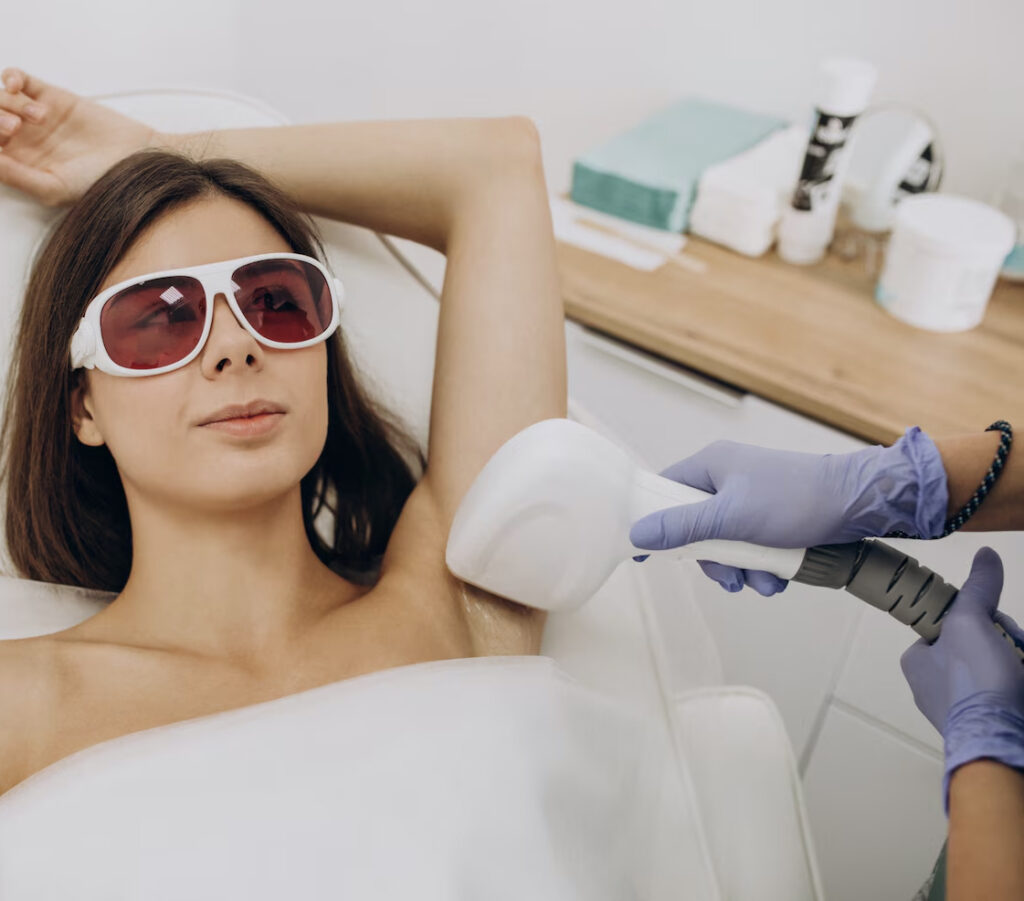
Laser hair removal treatments utilize targeted beams of light energy to heat up and disable hair follicles for effective hair reduction. This treatment option surpasses shaving and waxing as it focuses on the root of hair growth rather than just the visible hair. Given that hair follicles cycle through growth phases, multiple laser hair removal treatments are necessary. This medical procedure employs advanced laser systems and safety measures to minimize risk and enhance effectiveness.
1. The Science
Selective photothermolysis is the core principle. The laser emits specific wavelengths that melanin in the follicle absorbs, converting light to heat.
This heat damages the hair matrix and the bulge stem cells that fuel regrowth, stalling or halting new hair.
It’s the contrast that counts. Dark, coarse hair on lighter skin reacts most favorably. Lighter hair or less contrast might require additional treatments or might not respond as effectively.
When parameters are set correctly, the energy is limited to the follicle, which limits injury to the surrounding skin.
2. The Technology
Common systems include diode, which is fast and versatile; alexandrite, which is efficient for fair to medium skin; Nd:YAG, which is safer for darker skin; and older ruby units, which have niche use.
Newer platforms offer larger spot sizes, faster repetition rates, and integrated diagnostics that automatically adjust fluence and pulse width by skin type, helping safety.
Epidermal protection is achieved by contact cooling tips, chilled air, or cryogen spray, frequently in conjunction with a clear couplant gel to enhance coupling and minimize surface heating.
There are home devices using lower-energy diode or IPL. They can thin hair with diligent application but are slower and less potent than clinic lasers.
3. The Sensation
Most say it feels like a brief snap or slight sting, like a rubber band.
Topical anesthetic can be applied for less pain, particularly in sensitive areas like the bikini line or upper lip.
Sensation differs by location, hair coarseness, and pain threshold. Coarse hair is scratchier. Many people experience it as more convenient than waxing or electrolysis.
4. The Target
Lasers most effectively treat terminal hairs. Fine vellus hairs take up less energy and react badly.
Just the follicle is targeted, while nearby skin is spared when settings and cooling are right.
Hairs in the anagen (active) phase react best, so sessions are spaced four to eight weeks apart by region. The face, underarms, bikini line, chest, back, and legs can all be treated with customized settings.
5. The Goal
The aim is significant, lasting reduction, not guaranteed permanence.
Most experience a 60 to 90 percent reduction after six to eight sessions, with occasional maintenance. Anticipate transitory erythema or pigment changes, which are normally slight. Preparing well by avoiding sun exposure, stopping photosensitizers, and shaving 24 hours in advance lowers risk and enhances outcomes. Results vary by skin color, hair color, and coarseness.
Your Personal Candidacy
Laser hair removal treatments work best when your skin type, hair color, and health history align with the laser system and settings. Candidacy shapes outcomes, security, and rest. Create a short list: skin tone, hair color and thickness, medications, hormones, past sun exposure, and lifestyle. Use it to drive goal-setting, timing, and planning for the probable six to eight sessions required for effective hair reduction.
Skin Tone
Fitzpatrick skin types I–VI play a crucial role in laser treatment device selection and fluence. Types I–III typically respond well to laser hair removal treatments using diode or alexandrite lasers, as the contrast between light skin and dark hair allows for effective targeting of hair follicles. Individuals with high contrast, such as light skin paired with dark, coarse hair, often experience quicker hair reduction and fewer side effects.
For darker skin tones (types IV–VI), longer wavelengths like Nd:YAG (1,064 nm) are preferred, as they effectively bypass much of the epidermal melanin, minimizing the risk of burns and post-inflammatory hyperpigmentation. This consideration is essential, especially for those with tanned skin. Recent sun exposure can temporarily alter skin type, increasing the likelihood of complications during laser hair removal procedures.
Using the wrong laser or aggressive settings on darker or tanned skin can lead to serious issues, including blistering or pigment changes. To ensure safety and effectiveness, it is crucial to avoid tanning beds and direct sunlight for at least 2 to 4 weeks before and after any laser treatments. Additionally, applying broad-spectrum SPF 50+ can help protect the treated area, allowing for a smoother recovery process.
Hair Color
Laser hair removal treatments effectively target melanin in the hair shaft and bulb, making them a reliable option for individuals with dark, coarse hair. This treatment method efficiently absorbs laser energy, particularly in treatment areas like the legs, underarms, and bikini lines where the hair is darker. Candidates with thick, unwanted body hair typically respond well to procedures that utilize hair removal lasers.
However, individuals with blonde, red, gray, or white hair may find that these laser treatments yield inconsistent results due to low chromophore density. For those with non-pigmented hairs, alternatives such as electrolysis can be considered, particularly when combined with laser therapy for darker hairs.
It is essential to plan for a series of six to eight sessions, spaced four to eight weeks apart, to achieve effective hair reduction. Maintenance laser treatments may be needed every three to six months, especially for those affected by hormonal changes.
Health Factors
- Photosensitizing drugs (e.g., isotretinoin within 6–12 months, certain antibiotics)
- Active infections, open wounds, or dermatitis at the site
- History of keloids or poor wound healing
- Seizure risk with light exposure
- Immune compromise, chemotherapy or radiation within 6 months
- Pregnancy or breastfeeding
- Uncontrolled endocrine issues (e.g., PCOS, thyroid disease)
Do not treat overactive herpes, recent peels, or new tattoos. Stable hormones enhance toughness, while imbalances may accelerate hair growth and increase maintenance laser treatments. Some lifestyle diseases require clearance or reset. Pain depends on the treatment area and sensitivity. Cooling, topical anesthetics, and pulse stacking assist during the laser hair removal treatment. Daily habits matter.
The Treatment Journey
A well-thought-out laser hair removal treatment journey makes you more comfortable and safe, ensuring your hair stays away for longer. Standard courses consist of 2 to 6 sessions, 4 to 6 weeks apart, with sloughing in 5 to 19 days and a dramatic decrease in hair growth by session six, sometimes reaching up to 80 to 90 percent, with maintenance laser treatments every 3 to 12 months.
- Consultation, skin/hair assessment, expectations, test spot
- Preparation checklist confirmed 24–48 hours before each visit
- Session day: verification, shave check, parameter selection, treatment
- Immediate cooldown and post-care briefing
- Track reactions and shedding; log photos and notes
- Repeat at 4–6 weeks until goals met
- Maintenance plan and touch-up scheduling
Preparation
- Shave 24 to 72 hours prior to each session. Hair at the level of the skin allows the energy to reach the follicles while avoiding surface burn. Don’t wax, pluck, or use depilatories for 3 to 4 weeks because follicles must be intact in order to absorb light.
- Avoid sun and tanning beds for 2 to 4 weeks. Apply broad spectrum SPF 50 on exposed areas. Omit retinoids, alpha or beta hydroxy acids, and exfoliants for 3 to 5 days prior to minimize irritation.
- Stay away from anything that inflames skin, such as hot yoga, rough scrubs, and chemical peels, for a few days. Flag new photosensitizing medications or supplements.
On the day of your laser hair removal treatment, arrive with clean skin, free of makeup and lotions.
The Session
All small areas require 10 to 20 minutes. Medium zones last 20 to 40 minutes. Large body areas can require 45 to 75 minutes depending on density and coverage.
Eye protection – you will be wearing it. Cooling, either an integrated chilled tip, cryogen spray, or cold air, mitigates heat and assists in protecting the epidermis.
Settings are adjusted based on Fitzpatrick skin type, hair color/thickness, site sensitivity and goals. Energy, pulse width and spot size are modified after a test pulse to optimize effectiveness and safety.
The clinician could pass one to three times for even coverage, overlapping to prevent skip lines. Mild redness or swelling is to be expected and typically subsides within hours.
Aftercare
Use cool compresses, aloe, or a basic occlusive to soothe skin. Avoid hot showers, saunas, and intense exercise for 24 to 48 hours to minimize vasodilation and irritation.
Continue to use SPF 50 on treated areas every day to reduce the risk of post-inflammatory pigmentation. Don’t pick, scratch, or exfoliate for 3 to 5 days. Gentle exfoliation helps release dead hairs.
Anticipate shedding within 5 to 19 days. Photos of track, hotspot notes, and symptom reports of changes refine parameters.
Laser vs. Other Methods
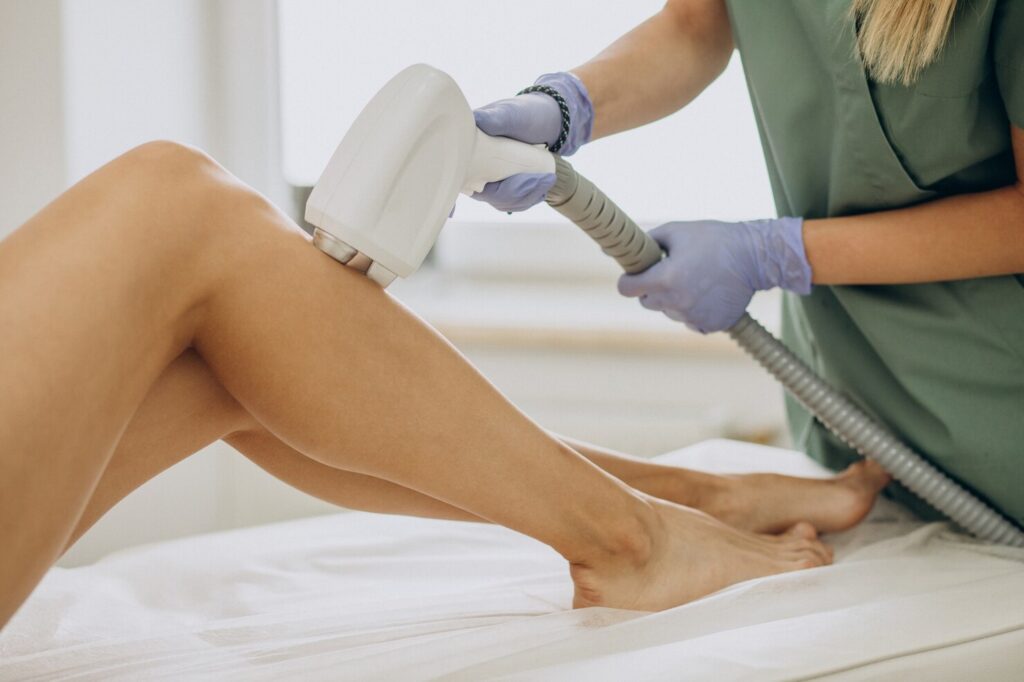
Laser hair removal attacks the follicle with the aim of decelerating and minimizing growth. It provides a 70 to 90 percent permanent reduction after a treatment course. It lends itself to large areas and predictable timetables, with doctor supervision enhancing safety and settings for varied skin tones.
Durability: Shaving cuts hair at the surface and regrowth is immediate. Waxing and sugaring pull from the root and last 3 to 4 weeks. Laser damages active follicles, so regrowth is lighter and slower with each pass. Most patients sustain results with one to two quick touch-ups a year.
Session count: Legs may need 6 to 8 laser sessions spaced 4 to 8 weeks. Waxing is monthly without an end point. Electrolysis, which zaps each follicle individually, can take hours and hours more.
Pain and tolerance: Most describe laser as a quick snap with heat. It is typically less painful than electrolysis, but more painful than shaving or many IPL devices. Cooling tips and topical anesthetics are a boon.
Skin and hair match: Laser works best on light skin with dark hair due to chromophore contrast. Newer platforms can treat a broader spectrum, but blond, red, gray, and very fine hairs still respond poorly. Electrolysis remains the fallback for any color.
Side effects: Laser reduces ingrown hairs, razor burn, and chronic irritation common with shaving, waxing, or threading. Electrolysis and laser have fewer ingrowns when done right.
Cost profile: Upfront laser costs are higher than razors or wax appointments. However, reduced growth lowers lifetime spend and time burden. IPL can help maintain post laser.
Pros and cons comparison:
- Laser: Pros—long-lasting reduction, fewer ingrowns, efficient on large areas. Cons—more expensive upfront, not as effective on light or gray hairs, needs multiple sessions.
- Waxing: Pros—fast results, works on most hair. Cons—recurring expense, ingrowns, irritation, and monthly maintenance.
- Shaving: Pros—cheap, quick, painless for most. Cons—daily or frequent stubble, razor burn, ingrowns.
- Electrolysis: Pros—works for all hair colors and skin types, definitive per follicle. Cons—slow, labor-intensive, more discomfort, multiple visits.
- Home laser devices: Pros are convenient and have a lower cost than clinic series. About: Laser vs other methods
Though initial expenses are steeper, laser provides ease and permanent scale reduction. IPL can assist with seasonal maintenance. For thick underarm hair, laser wins hands down over wax in terms of longevity. For a couple of rogue white chin hairs, electrolysis is the exact solution.
Beyond The Basics
Laser hair removal occupies the crossroads of physics, skin biology, and clinical judgment, with effective hair reduction depending on device selection, operator experience, and adherence to treatment instructions that honor hair cycles in every treatment area.
Provider Skill
Outcomes follow experience. An experienced doc or nurse knows fluence (J/cm2), pulse width and spot size and how those variables change across Fitzpatrick I to VI skin types and hair diameters. That’s how we target follicles while preserving skin color.
Tailoring counts. Coarse dark hair on legs, bikini, or beard tends to respond to higher fluence and larger spot sizes. Finer facial hair in lighter shades requires conservative settings and additional sessions. Alexandrite (755 nm) is suitable for lighter skin. Nd:YAG (1064 nm) is safer for deeper skin tones. Diode platforms span most examples.
Danger increases in wild environments. Burns, post-inflammatory hyperpigmentation, and patchy clearance are commonplace with undertrained operators. Check licensure, device brand, and maintenance logs. Go over 10 to 20 case-matched before-and-afters and inquire about complication rates and how they handle bad events.
Plan rhythm. Expect two to six sessions for most areas, timed to growth rates: four to eight weeks for face, axillae, and bikini; 12 to 16 weeks for back or legs. Hair falls out over days to weeks, not on the table.
Hormonal Influence
Hormones sculpt regrowth. When women experience PCOS, thyroid disease, pregnancy and menopause, it can shift vellus to terminal hair, particularly on the face, chest and lower abdomen.
Others require upkeep. Even with robust clearing, occasional refresher salvage results that would otherwise blur as hormones shift. A lot of them get months to years of shrinkage with maintenance.
Tackle upstream problems. Working with endocrinology or gynecology can even out results. Go beyond the basics and track patterns using photos and dates, which can help you adjust settings, intervals, or add medical therapy.
Redness and slight swelling for a few hours is common and subsides quickly. No sun or tanning beds for six weeks, SPF 30 every day.
Future Innovations
Technology has moved fast. Better cooling, higher repetition rates, and refined beam profiles cut pain and time while boosting precision. Innovative platforms provide safe compatibility for more skin tones and lighter hair, supported by advanced clinical research and enhanced safety profiles.
AI-guided presets might soon read skin optics in real time and set parameters per pulse. Research is exploring follicular stem cell targets for more long-lasting reduction. With maintenance, results can remain for years.
Long-Term Permanent Reduction
Long-term permanent hair reduction refers to less, smaller hairs that regrow slower, not complete and lifetime hairlessness. Permanent hair removal, the term of art in the field, means total, permanent removal of all follicles in a treated location. Existing laser technology, including various laser hair removal treatments, doesn’t guarantee that result for every individual or every location on the body. Lasers target the follicle’s melanin with heat and harm to the growth center. This alteration decreases density and quality of hair in the long run. They depend on your skin tones, hair color and thickness, hormones, and the device’s wavelength, fluence, and pulse width, and how well you time sessions to the hair cycle.
In general, most patients experience a 70 to 90 percent reduction in hair growth after a full series when protocols are strict and energy settings are optimized. Dark, coarse hair on fair to medium skin usually clears the quickest, like underarms or bikini. Mixed or lighter hair, or facial hair where hormones play a bigger role, may hover in the 50 to 75 percent range following the initial series and continue to thin with maintenance. Anticipate fewer in-growths, decreased razor burn, and less regrowth time between sessions. Typically, six to eight sessions of laser hair removal treatment spaced four to six weeks apart are needed for body areas, and a little shorter for the face to catch hairs as they enter anagen, which is the growth phase. Skipping windows can blunt gains because dormant follicles escape the beam.
Maintenance is what matters. Tiny vellus hairs will grow back, and some dormant follicles will reawaken, particularly with changes in hormones, medications, or weight. Schedule touch-ups every 6 to 12 months for body sites and 3 to 6 months for the face, following the mirror. Sessions are brief for underarms and lip and extended for legs or back. Most patients require fewer pulses in maintenance because the field is already thinned. When hairs do come back, they are lighter and softer, which further facilitates waxing or shaving if you want to mix methods.
As a long-term permanent reduction, laser provides durable reduction, predictable schedules, and less ingrown hairs from shaving or waxing. It cuts down on daily grooming time, decreases folliculitis risk, and softens texture. Permanent removal” is not the refrain, “long-term permanent reduction” is feasible, scientifically supported, and enhances life with occasional maintenance.
Conclusion
Laser hair removal is really the only option that makes sense for our busy lives. Less time with a razor. Less prickly stubble. Fewer ingrown hairs. Skin remains serene and silky. The results accumulate with each treatment. The majority experience an obvious decline in growth after a few appointments. By month three to six, hair grows in light and thin. Several zones remain bare for months. Touch-ups keep it tidy.
At our clinic, I chart skin type, hair color and objectives. I define energy, pulse width, and spot size for each zone. The face requires short pulses and small spots. The legs require bigger spots for speed. Dark hair on light skin requires lower fluence step-ups. Darker skin requires longer pulses for safety.
Laser Hauled Hair Control, Plan Smart Schedule a consultation with me in Bonita Springs.
Frequently Asked Questions
Is laser hair removal permanent?
It provides lasting hair reduction through effective laser hair removal treatments. Most experience 70 to 90 percent less hair after a complete series of procedures. Some light regrowth may occur over time, and maintenance laser treatments may be required depending on your hair color, skin tone, and hormones.
Am I a good candidate for laser hair removal?
You could be a candidate for laser hair removal treatments if you have darker hair and lighter skin. Newer laser systems can treat a wider range of skin tones safely. Blonde, red, gray, or white hair reacts less, making effective hair reduction more challenging. During a consultation, we discuss your hair, skin, medical history, and treatment plan.
How many sessions will I need?
Most people require six to eight sessions of laser hair removal treatments every four to six weeks for the face and six to eight weeks for the body. Hair grows in phases, and several laser hair removal treatments address fresh growth effectively.
Does laser hair removal hurt?
All experience a rapid ‘snap’ and heat during the laser hair removal treatment. Pain is mild to moderate, and cooling systems alongside numbing creams assist. Sensitivity varies depending on the treatment area, hair coarseness, and the settings of the laser system. Sessions tend to be short.
What should I do before and after treatment?
Shave 24 hours before your laser hair removal treatment. Avoid sunlight, tanning, or waxing for 2 to 4 weeks prior. After the procedure, cool the treatment area and moisturize with gentle skincare and SPF 30 or higher. Refrain from heat, exercise, and scrubs for 24 to 48 hours. Follow your provider’s treatment instructions closely.
Is it safe for darker skin tones?
Yes, with the appropriate technology and settings, such as Nd:YAG lasers for effective hair reduction on deeper skin tones. Select a seasoned provider who tailors the laser treatment settings to minimize risks like burns or pigmentation shifts.
Laser vs. waxing and shaving: what’s the difference?
Laser hair removal treatments target the hair follicle for longer-lasting hair reduction. While waxing and shaving clear unwanted hair quickly, effective hair reduction with lasers can save you time and reduce ingrown hairs over time.