

A new year is the perfect time to hit reset—not just on your goals, but on your skincare routine too. After months of holiday indulgence and winter stress, your skin deserves a little extra attention. At Physician Aesthetic Institute, we believe that great skin starts with simple, consistent habits that deliver real, lasting results. In this post, I’ll share the top skincare resolutions to help you achieve a healthier, more radiant complexion in the year ahead. From committing to regular facials and sunscreen use to embracing professional treatments that boost your skin’s natural glow, these resolutions are designed to keep your skin looking its best all year long. Let’s make this the year your skincare routine truly works for you.
- Key Takeaways
- Rethink Your Skincare Philosophy
- Your Top Skincare Resolutions
- Personalize Your Skincare Plan
- Beyond the Bathroom Sink
- Debunking Common Skincare Myths
- Challenge the belief that more products or steps always mean better results.
- Dispel the myth that only expensive products deliver effective skin care.
- Clarify that sunscreen is necessary every day, regardless of weather or skin tone.
- Correct misconceptions about exfoliation, such as the need for daily use or harsh scrubs.
- Track Your Progress Effectively
- Take monthly photos in consistent lighting to visually monitor your skin’s transformation.
- Keep a simple log of your daily skincare routine, products used, and any noticeable changes.
- Set specific, measurable skincare goals and review them regularly for motivation.
- Celebrate small wins and adjust your resolutions as needed for continued improvement.
- Conclusion
- Frequently Asked Questions
- What are the most effective skincare resolutions to start today?
- How do I personalize a skincare plan for my skin type?
- Is sunscreen necessary if I’m indoors most of the day?
- Which skincare myths should I stop believing?
- How do I track skincare progress effectively?
- What lifestyle changes improve skin beyond products?
- When should I see a dermatologist?
Key Takeaways
- Form sustainable resolutions that emphasize consistency over newness because habits like cleansing, moisturizing, and SPF yield more quantifiable gains than trend chasing. Make your routines simple and repeatable to safeguard your skin barrier and support skin health for life.
- Lifestyle addressing sleep, nutrition, hydration, stress control and sun protection is part of your routine because they power visible results. LEARN ABOUT TOP SKINCARE RESOLUTIONS. Pair topical care with mindfulness, movement and balanced meals to support repair, resilience and radiance.
- Favor consistency over intensity. Gentle cleansers, barrier-supporting moisturizers, and measured actives with patience! Drives in April shower head Gatsby and the Great Gatsby John Cawood short story review Dale Foster Wallace Rolling Stone H&M top skincare resolutions.
- Be proactive with your care. Wear daily broad spectrum sunscreen, update your routine with the seasons, and get regular skin checks. Tackle concerns early with prevention approaches to minimize early aging and issues.
- Customize your regimen by skin type, age, and climate, choosing synergistic ingredients and textures while eliminating irritants. Add one new product at a time and record reactions to tailor your routine with accuracy.
- Make these top skincare resolutions actionable right now by double cleansing at night, moisturizing immediately after washing, exfoliating one to three times a week, and reapplying SPF outdoors every two hours. Set concrete goals like clearing breakouts or increasing glow and track progress with monthly photos and an easy skin journal.
Top skincare resolutions focus on habits that shield barrier function, prevent photoaging, and promote collagen. Among the main actions are daily SPF 50 broad-spectrum, gentle cleansing morning and night, and consistent application of retinoids and vitamin C.
Introduce peptide or niacinamide serums, hydrate with ceramide-rich moisturizers, and exfoliate with AHAs weekly for texture. For targeted gains, pair home care with microneedling, PRF, or nonablative laser at safe intervals.
Below, they break down protocols, actives, and timelines.
Rethink Your Skincare Philosophy
Transform your skincare resolution from fleeting fads to enduring habits that withstand the test of time. By constructing a simple skincare routine you can maintain, you’ll achieve a radiant complexion, as healthy skin reflects daily decisions more than infrequent high-intensity treatments.
Beyond Products
Skin shows lifestyle load. Sleep loss drives cortisol up, weakening the skin barrier and slowing skin repair. High-glycemic diets can feed breakouts via insulin spikes. Alcohol is dehydrating. It’s scalding hot showers, which strip the skin of lipids, resulting in dryness, scaling, and itch.
Brief, simple mindfulness assists. Even five minutes of breath work or a quick walk decreases perceived stress, which settles redness and stress-driven flare ups. It is easy, inexpensive and scalable.
Hydration and sun protection anchor results. Try to hydrate internally with consistent water consumption, bring in humectants such as glycerin and lock in moisture with a moisturizer. Daily broad-spectrum SPF 30 or higher preserves collagen and prevents hyperpigmentation and should be reapplied when you’re outside.
Holistic care involves products and behavior. Clean up your shelves to zero in on what works, minimize waste, and prevent ingredient overlap that can inflame skin.
Consistency Over Intensity
Establish a daily core routine: cleanse, moisturize, and apply SPF in the morning for healthy skin. Cleanse and repair at night while ensuring sun protection in the AM and repair in the PM is a neat schema that directs decisions. Just three simple skincare resolutions – a sunscreen, a gentle cleanser, and a moisturizer – can transform skin quality when used consistently.
Avoid the harsh actives and constant switches. Over-exfoliating with acids or high-strength retinoids can damage the barrier and fuel additional sensitivity. Instead, rethink your skincare philosophy and work with gentle, proven ingredients like niacinamide, ceramides, or low-dose retinol for sustainable gains in your skin care journey.
Make resolutions that suit your week and your skin. Short routines attract adherence, generating visible improvements. Give it eight to twelve weeks of tracking changes before evaluating effectiveness because skin cycles are slow.
Don’t forget the neck, upper chest, and hands. These areas show signs of premature aging early and respond to the same basics: cleanse, moisturize, and SPF.
Proactive, Not Reactive
Stop problems before they start. Daily vitamin C and sunscreen in the a.m. Can help provide antioxidant defense and even tone. Night retinol encourages cell turnover and collagen support for many.
Schedule routine skin exams and perform self-examinations. New or changing lesions detected early do matter.
Use broad-spectrum SPF every day, year-round, and reapply outdoors. This is the single most dependable anti-aging and anti-skin cancer move.
Rethink your skincare philosophy. In dry, cold air, inject richer moisturizers and scale back exfoliation. In humid months, opt for lighter textures and give cleansing extra support without overstripping.
Your Top Skincare Resolutions
Build a skincare resolution around four pillars: cleanse, protect, hydrate, and treat for a radiant complexion. Make it consistent, uncomplicated, and tailored to your skin type. Don’t forget to care for your neck, chest, and hands while monitoring your routine goals.
- Reduce breakouts: use a non-comedogenic cleanser, apply salicylic acid in a concentration of 0.5 to 2 percent, and maintain steady SPF.
- Boost glow: Use vitamin C at a concentration of 10 to 20 percent each morning and gentle acids one to three times weekly.
- Fade spots require daily sunscreen, vitamin C, retinoid at night, and patience.
- Smooth texture: retinol/retinoid, measured exfoliation, and barrier-first moisturizer.
- Calm redness: use fragrance-free products, apply mineral SPF, incorporate niacinamide at 2 to 5 percent, and avoid over-scrubbing.
- Full-body care: Moisturize torso and limbs post-shower. Apply SPF on hands and chest.
1. Commit to Cleansing
Double cleanse at night: start with an oil-based cleanser to dissolve sunscreen, makeup, and sebum, then follow with a water-based gel or cream to lift sweat and pollutants without stripping. In the morning, a quick gentle cleanse washes away overnight oil and product residue so actives absorb better.
Match texture to skin type—gel for oily or combination, milk for dry, syndet bar for sensitive. Use a soft cloth or silicone brush a couple of times a week for extra lift, but stay away from harsh scrubbing that messes up the barrier.
2. Protect Relentlessly
Daily broad-spectrum sunscreen is a must. Target SPF 30 to 50, use 2 mg/cm² (approximately 2 finger lengths for face and neck) and reapply every 2 hours outside, especially around water or sweat.
Indoors, UVA still penetrates windows, so maintain your SPF. Top hats, sunglasses, and UPF clothing decrease cumulative dose. Don’t forget hands, ears, and back of the neck.
3. Hydrate Holistically
Layer a humectant serum — hyaluronic acid, glycerin or polyglutamic acid — under moisturizer to trap water in the stratum corneum. Hydrate internally throughout the day. Occlusion of the skin surface inhibits transepidermal water loss.
Bad sleep increases transepidermal water loss, so maintain a regular sleep schedule to combat dehydration and lackluster skin. Shift with seasons: use richer ceramide creams in winter and light gel-lotion in summer. Include a couple of drops of squalane or a facial oil if skin feels tight.
4. Exfoliate with Purpose
Limit exfoliation to one to three times weekly to avoid excessive exfoliation. Opt for enzymes if you have sensitive skin, while AHAs like lactic or mandelic acids can improve skin tone, and BHAs such as salicylic are great for unclogging pores. Focus on treating the T-zone or bumpy areas for a smoother complexion.
Incorporating retinol and prescription retinoids into your routine can significantly boost cell turnover, leading to visible improvements in your skin. Apply these treatments in the evening, starting slowly, and always buffer with moisturizer. Don’t forget to add morning SPF to your sun protection routine to safeguard your newly revitalized skin.
5. Master Your Moisturizer
Slather moisturizer within 60 seconds of cleansing to seal in hydration. Opt for a gel if you have oily skin, lotion for normal skin, and a cream with ceramides for dry or mature skin.
Layer it over vitamin C during the day and retinoids at night. Treat your neck, chest, and hands alike for even tone and texture across exposed areas. Purge expired products every 3 months. Fewer vetted formulas reduce irritation and waste.
6. Listen to Your Skin
Introduce one new product at a time and allow 10 to 14 days before the next change. Pay attention to tightness, sting, or breakouts after each step. Dial back strength or frequency; don’t abandon altogether.
Maintain a brief journal that includes the product, date, and skin texture to identify trends that help inform more intelligent culling. If irritation lingers, return to a gentle cleanser, bland moisturizer, and SPF, and then rebuild slowly.
Morning vitamin C maximizes antioxidant defense, nighttime retinoids smooth texture, and both require meticulous SPF.
Personalize Your Skincare Plan
Resolutions only work when connected to your skin type, age, and daily environment. Begin with your main concerns: breakouts, blotch, rough tone, and lines. Then match products to objectives.
Get out your products, note ingredients, and reduce overlap. Update quarterly as skin fluctuates with stress, hormones, seasons, and travel. Include often-missed zones: neck, upper chest, and hands, which need SPF 50, vitamin C, and gentler acids than the face.
By Skin Type
Identify your baseline at midday without makeup: oily (shine, enlarged pores), dry (tight, flake), combination (oily T-zone, dry cheeks), sensitive (sting, flush), or normal (balanced). Establishing simple skincare resolutions can help you understand your skin better.
Personalizing matters because it tailors actives to your skin’s barrier, sebum flow, and melanin risk. Customize your skincare regime to meet your routine goals. Match serums and creams to the bullseye for optimal results.
Oily or acne-prone skin typically enjoys salicylic acid at 1 to 2 percent, niacinamide at 4 to 5 percent, light gel moisturizers, and non-comedogenic sunscreen. We recommend ceramides, cholesterol, fatty acids, glycerin, and urea at 5 to 10 percent under a richer emollient for dry skin to achieve a smooth complexion.
Sensitive skin fares better with fragrance-free products, short INCI lists, panthenol, ectoin, and azelaic acid at 10 to 15 percent in small increments. Avoid common triggers by type: for sensitive skin, skip strong fragrance, high alcohol, and high-strength peels to maintain a radiant complexion.
For acne-prone skin, avoid heavy oils that clog. For dry skin, avoid daily foaming surfactants. Think about professional treatments like LED light therapy for acne or redness if you properly follow usage instructions. Utilize a humidifier during dry months to aid hydration and keep your skin feeling fresh.
Skin type | Core serum | Moisturizer | Routine notes |
|---|---|---|---|
Oily | Niacinamide, salicylic acid | Lightweight gel | Gentle cleanse twice/day |
Dry | Hyaluronic acid, urea | Ceramide cream | Creamy cleanse, occlusive at night |
Combination | Azelaic acid | Gel-cream | Spot-treat oily zones |
Sensitive | Panthenol, ectoin | Fragrance-free cream | Patch test, low-strength acids |
Normal | Vitamin C | Light lotion | Maintain SPF, simple routine |
By Age
Your skin in your 30s needs daily SPF 50 plus, vitamin C 10 to 15 percent in the morning, and low-dose retinaldehyde or retinol two to three times per week at night.
These steps decelerate early collagen loss and assist dullness. In your 40s and 50s, add peptides (signal and copper), upgrade to retinaldehyde for more potent collagen support, and layer barrier lipids to combat dryness.
Think gua sha for tender lymph flow and tone if done right and frequently. Mature skin might combine retinoids with bakuchiol or niacinamide on off evenings to minimize redness.
Update goals each decade: refine texture in 30s, firmness and pigment in 40s, elasticity and barrier in 50s and beyond. Address neck, upper chest, and hands with vitamin C, SPF, and gentler acids, as many can’t tolerate face-strength peels.
By Environment
Your plan Climate steers formula choice. High humidity prefers lighter gels and sweat-resistant film formers. Dry or cold air requires occlusives like petrolatum and shea, combined with a nightly humidifier to stabilize transepidermal water loss.
Urban pollution demands daily vitamin C, resveratrol or ferulic acid, and rigorous but gentle cleansing. Brutal seasons require barrier-shielders like ceramides, squalane and ectoin to minimize harm.
Add hydration and SPF in sunny, dry zones and reapply every 2 hours outside. Come winter, swap to creamy cleansers, exfoliate less often, and seal with a richer night cream.
Use LED for redness or acne if consistent per device instructions and space retinol with acids so you don’t over-exfoliate.
Beyond the Bathroom Sink
Skin transformations mirror lifestyle decisions and effective skincare resolutions. Rituals are important, but efficacy depends on nutrition, rest, and sun protection routines. Even little shifts compound over months, going further than any serum for a radiant complexion.
Diet
Opt for color-dense plants and steady fats that soothe oxidative stress and bolster the lipid barrier. Go for berries, greens, tomatoes, citrus, nuts, seeds, extra-virgin olive oil, avocado, and omega-3-rich oily fish like salmon and mackerel. All of these supply polyphenols, carotenoids, vitamin C, and omega-3s to lower transepidermal water loss and redness.
Reduce ultra-processed foods and added sugar that surge insulin and IGF-1, which fuel sebum production and breakouts. Replace sugary drinks with water or unsweetened green tea. Catechins help regulate inflammation and can even minimize UV-induced damage.
Hydrate on a schedule: Drink 2 to 3 liters of water per day for most adults, and more with exercise or heat. Sprinkle in some electrolytes if you’re a heavy sweater. Regular consumption is more valuable than occasional gulps.
Checklist
- Antioxidants: berries, kiwi, citrus, tomatoes, and peppers brighten tone via vitamin C and polyphenols.
- Healthy fats: salmon, sardines, walnuts, flax, and olive oil support barrier lipids and calm redness.
- Protein: Eggs, tofu, legumes, and lean meats provide amino acids for collagen and repair.
- Polyphenol drinks: green tea, rooibos reduce oxidative stress. Restrict sugary and alcoholic beverages.
Sample week:
- Mon: salmon, quinoa, spinach, olive oil; green tea
- Tue: lentil stew, mixed greens, walnuts; yogurt
- Wed: eggs, tomatoes; chickpea bowl; berries
- Thu: tofu stir‑fry, broccoli; brown rice
- Fri: sardines on whole grain; citrus salad
- Sat: chicken, sweet potato, kale; herbal tea
- Sun: bean chili, avocado, cabbage slaw; dark chocolate (70%+)
Sleep
Target 7 to 9 hours a night. Collagen synthesis, repair enzymes, and barrier recovery peak in slow-wave sleep. Maintain a rigid sleep window, even on weekends.
Wind down with dim light, screen filters to reduce blue light exposure, a lukewarm shower, and a brief routine: cleanse every night at a set time, then the simple trio—cleanser, moisturizer, sunscreen by day—three products that move the needle.
Apply a richer cream or overnight mask during dry seasons. Long, hot showers deplete lipids. Pick short, warm baths to prevent dryness and itch.
Sleep factor | Skin effect | Practical cue |
|---|---|---|
Consistent schedule | Smoother tone, less TEWL | Fixed lights‑out |
Deep sleep | Better elasticity | Cool, dark room |
Reduced blue light | Less dullness | Night mode, device curfew |
Humidity control | Stronger barrier | Bedroom humidifier |
Stress
- Breath work (4‑7‑8, box breathing) lowers cortisol and leads to fewer stress breakouts.
- Mindful walks 20–30 min: improves circulation; brighter tone.
- Resistance training 2–3×/week: boosts perfusion; supports collagen integrity.
- Yoga or tai chi reduces inflammation and leads to calmer, less reactive skin.
- Journaling or therapy: steadier habits; fewer flare cycles.
Chronic stress drives oil production, delays healing, and increases redness. To achieve your skincare resolution, treat recovery like a meeting — dedicate 10 to 15 minutes a day, along with one longer block each week. You’ll likely notice cleaner pores, a more even tone, and quicker procedure recovery. Additionally, embracing healthy habits is essential for your skincare routine goals.
Product care counts as well. Sixty-one percent store products in bathrooms, yet humidity can ruin active ingredients. Instead, keep the majority of items in a cool, dry cabinet and clean your beauty shelf every three months to ensure the effectiveness of your skincare products. Regular skin treatments and proper storage can lead to visible improvements over time.
Refrigerate only if you want to extend the shelf life of vitamin C or eye gels, but it’s not necessary. Remember to sanitize makeup brushes regularly and minimize screen time at night to save your circadian rhythm and protect your skin from blue light, which can contribute to premature aging.
Debunking Common Skincare Myths
Skincare is at its best when it’s simple, steady, and science-led, focusing on simple skincare resolutions. The most effective regimens are those that concentrate on a small number of well-established steps, done well and consistently for a radiant complexion.
Challenge the belief that more products or steps always mean better results.
A 20-step skincare resolution isn’t inherently better for your skin. More layers can lead to irritation, pilling, and ingredient conflicts, increasing your chances of breakouts or a barrier meltdown. Instead, a solid core skin care routine that includes gentle cleansing, moisturizing, and broad-spectrum SPF covers most bases effectively.
Targeted add-ons, such as a vitamin C serum in the morning or a retinoid at night, should be introduced one at a time, with a minimum of 2 to 4 weeks in between to evaluate response. Skin can only absorb so many actives; excessive products can leave your skin feeling red or flaky without delivering visible improvements.
Hyperpigmentation and texture heal in months, not days, and collagen remodeling from retinoids or microneedling occurs on a slow biological timeline. Your skincare routine is a marathon, not a sprint!
Dispel the myth that only expensive products deliver effective skin care.
Price is not an indicator of efficacy. Efficacy is about chemistry, which includes formula design, concentration, pH, and stability. Examples that work across budgets include a 2–5% niacinamide serum for oil control and redness, a 0.3–1% retinol or dermatologist-prescribed tretinoin for fine lines, 4–10% L-ascorbic acid with ferulic acid for brightening when well stabilized, and glycerin, ceramides, and hyaluronic acid for barrier support.
A lot of pharmacy brands hit them. Invest smart on what needs to be fancy or potent, like a retinoid you can tolerate every night or a robust antioxidant serum, and skimp on cleanser and moisturizer. The most effective anti-aging strategy costs less than your morning latte: sunscreen.
Clarify that sunscreen is necessary every day, regardless of weather or skin tone.
UV rays can penetrate through clouds and windows, leading to exposure both outdoors and indoors. Up to 80% of visible aging results from sun damage, making it crucial to incorporate a consistent skincare resolution that includes broad-spectrum SPF every day, regardless of the weather. This simple skincare resolution helps stave off premature aging.
Applying sunscreen daily not only reduces your risk of sunburn and skin cancer but also slows photoaging, contributing to a radiant complexion. SPF 30 blocks about 97% of UVB rays, while SPF 50 offers around 98% protection. The key is to use enough product—about 2 mg/cm2—and to reapply every 2 hours when exposed to sunlight.
Even those with darker skin types must prioritize sun protection to minimize the risk of hyperpigmentation and skin cancer.
Correct misconceptions about exfoliation, such as the need for daily use or harsh scrubs.
Over-exfoliation compromises the barrier, leading to stinging, flaking and increased breakouts. For the majority of us, exfoliating a couple of times a week is plenty. Choose method by goal and skin type: salicylic acid (BHA) for clogged pores, lactic or mandelic acid (AHA) for dull tone, and gentle enzyme exfoliants for sensitive skin.
Drop coarse particle-based scrubs that cause microtears. If you’re on retinoids, exfoliate less often. Hyperpigmentation takes months to fade, so consistent sunscreen plus judicious exfoliation and pigment modulators, such as azelaic acid and niacinamide, will shift the dial.
Track Your Progress Effectively
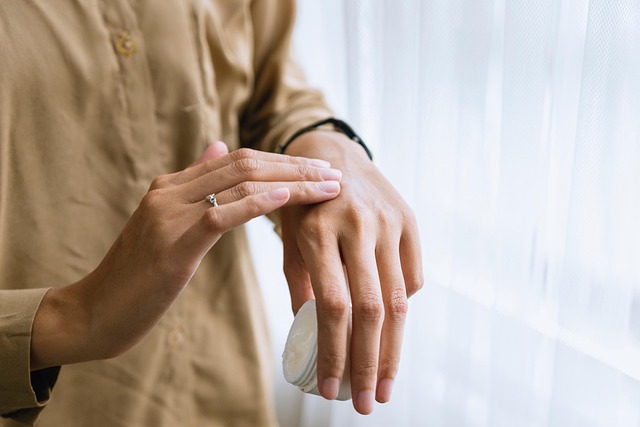
Visible, measurable progress keeps skincare resolutions on track. Opt for simple skincare resolutions that are easy to repeat and demonstrate actual change over months, not days. Craft small victories, connect them to skincare habits you already have, and modify cautiously when life changes.
Take monthly photos in consistent lighting to visually monitor your skin’s transformation.
Take advantage of the same location, time, and lighting. Natural light, if indirect, by a window works. Indoor light at 5000–6500 K is a reliable fallback. Keep the camera the same distance, around 40 to 50 centimeters, the same angle, and a neutral expression. Fresh face, no makeup, no filter.
To effectively track your skin goals, take front, left, and right views, along with a close-up of key areas such as crow’s feet, pores on the nose, or a sun spot on the cheek. Archive photos by date in a folder and make month-to-month comparisons instead of daily ones. Many changes in texture, tone, and pore visibility occur gradually over 8 to 12 weeks, so patience is key with each product cycle.
If you start using a new active ingredient like retinol or azelaic acid, be sure to note the start date and refer back to the 12-week image for a fair evaluation of your progress. This helps ensure that your skincare habits lead to visible improvements over time.
Keep a simple log of your daily skincare routine, products used, and any noticeable changes.
A three-line note is enough: morning, night, and a quick remark. Add product name, strength, and dose (for example, “retinol 0.5%, pea-size”). Include exposure notes like sun hours, sweat, or travel. Track stings, flakes, breakouts, or redness with a zero to three scale to catch patterns.
Link the log to an existing habit: write it while your coffee brews or when you charge your phone at night. Multitask to make it stick — mask on while you journal, LED session during a podcast. Miss a day? Forget it. It’s about the pattern, not perfection.
Set specific, measurable skincare goals and review them regularly for motivation.
Set goals you can measure and observe. Examples include reducing jawline breakouts from five per week to one by week 8, lightening a cheek sun spot one shade on a color chart by month 3, and improving hydration so midday tightness drops from “2” to “0” on your scale.
Start tiny with one habit, like daily SPF 50 or retinol twice a week, then construct. Check in every four weeks with your pictures and journal, not your attitude. If a goal stalls, change one variable only: product strength, frequency, or application method. Retain what works and eliminate what doesn’t.
Celebrate small wins and adjust your resolutions as needed for continued improvement.
Mark milestones: one month of daily SPF, a calmer T-zone, fewer ingrown hairs. Recognize them to implant consistency. Don’t beat yourself up on off days; get back on the next.
Make it sustainable and enjoyable—textures you love, steps you’ll recommit to, timing that works with your life. Progress that sticks comes from consistent, basic habits and calm, clear-eyed reviews.
Conclusion
Skincare is most effective with defined goals, consistent behaviors and tangible feedback on results. Small shifts add up. Replace rough scrubs with soft acids. Apply daily broad-spectrum SPF 50. Choose an active, like retinol or vitamin C, and commit to it for 12 weeks. Record changes in the same light, angle, and time of day. Notice texture, tone, breakouts and itchiness. If you have acne or melasma, try a 3-month goal. For lax skin, schedule 6 to 12 months out for microneedling, PRF, or laser. Top skincare resolutions are to hydrate, lift protein and sleep 7 to 8 hours. Stress less. Skin that means business.
Need a plan that suits your skin and your lifestyle? Schedule a consultation at Physician Aesthetic Institute. Bring it on, resolutions. Walk away with clear direction and lasting encouragement.
Frequently Asked Questions
What are the most effective skincare resolutions to start today?
It’s all about consistency in your skincare resolution. Be gentle when cleansing, use SPF 30 or higher every day, and moisturize. Incorporate a vitamin C serum in your morning skincare routine and retinol at night. Simple skincare resolutions work best; commit to changes for 8 to 12 weeks to see visible improvements.
How do I personalize a skincare plan for my skin type?
Identify your skin type: oily, dry, combination, sensitive, or normal. Select serums that address your number one issue, whether it’s acne, hyperpigmentation, or fine lines. I’d say just begin with a fundamental routine, introduce one active at a time, and monitor skin reaction weekly.
Is sunscreen necessary if I’m indoors most of the day?
Yes. UVA rays go through windows and cause premature aging and hyperpigmentation. Incorporating a broad spectrum SPF 30 or higher into your morning skincare routine is essential for maintaining a radiant complexion, even indoors. Remember to reapply every two to three hours if near windows or on devices with intense light exposure.
Which skincare myths should I stop believing?
Common myths include the belief that higher price equals better results and that oily skin doesn’t need moisturizer. However, establishing effective skincare resolutions, like incorporating gentle care and a sun protection routine, is crucial for achieving a radiant complexion.
How do I track skincare progress effectively?
Take weekly photos in the same lighting to track your skincare resolution. Pay attention to products and frequency, noting any reactions while measuring changes like fewer breakouts and smoother texture for a radiant complexion.
What lifestyle changes improve skin beyond products?
Prioritize sleep, nutrition, and stress management as part of your skincare resolution. Hydrate, don’t smoke, and keep alcohol consumption minimal to promote healthy habits for a radiant complexion. Work out for circulation and ensure fresh pillowcases and makeup applicators to support your daily skincare routine.
When should I see a dermatologist?
If you have persistent acne, sudden rashes, or painful breakouts, seek professional guidance to avoid skincare procrastination. This can help with severe sensitivity, melasma, or skin imperfections, ensuring you achieve your skincare resolution effectively.