
When it comes to rejuvenating your skin and tackling concerns like fine lines, texture, and discoloration, two of the most popular treatments are microneedling and chemical peels. But how do you know which one is right for you? As someone who’s worked with clients on both sides of the treatment spectrum, I know that choosing between these two options can feel overwhelming. In this post, I’m breaking down the key differences between microneedling and chemical peels, highlighting the benefits of each, and helping you decide which treatment is best for your skin type and goals. Whether you’re looking for a treatment that builds collagen or one that sloughs away dead skin, this comparison will guide you to the right choice for your complexion.
- Key Takeaways
- Understanding The Mechanisms
- Microneedling vs Chemical Peels
- A Professional’s Perspective
- Potential Risks
- The Patient Experience
- Choosing Your Path
- Conclusion
- Frequently Asked Questions
- Which is better for acne scars: microneedling or chemical peels?
- How do microneedling and chemical peels work differently?
- What skin concerns does each treatment target best?
- Which has less downtime?
- Are these treatments safe for darker skin tones?
- Can I combine microneedling and chemical peels?
- How many sessions will I need to see results?
Key Takeaways
- Microneedling causes exactly what it says — tiny, controlled dermal micro-injuries that drive collagen induction and remodeling — while chemical peels dissolve intercellular bonds for varying depths of either epidermal or dermal exfoliation. Choose microneedling for precision collagen remodeling and peels for targeted exfoliation and pigment correction.
- Pair the modality with the main concern for optimal results. Pick microneedling for atrophic acne scars, enlarged pores, and mild to moderate wrinkles, and chemical peels for dyschromia, sun damage, and surface texture.
- Plan treatment based on skin type and safety. Microneedling is more appropriate for all Fitzpatrick phototypes. Medium to deep peels pose a greater risk of pigment change in darker skin tones and sensitive skin.
- Schedule to include recovery time and anticipated feelings. Microneedling typically causes mild erythema and edema that resolves within a few days. Peel recovery can vary from minimal flaking with light peels to weeks of recovery with deep peels. Sensations range from prickling to stinging or burning.
- Anticipate intermittent and session-dependent outcomes for long-term transformation. Microneedling improvements layer on top of each other over weeks as neocollagenesis occurs, while peels can manifest earlier visible brightness and smoothing. Maintenance schedules and strict photoprotection are critical to longevity.
- Maximize safety and outcomes with expert advice and disciplined aftercare. Book a thorough consultation, disclose your medications and skin history, steer clear of irritants pre-procedure, adhere to post-care precisely, and explore staged or combination protocols to optimize results and downtime.
Microneedling vs chemical peels pits two effective methods of skin resurfacing that address texture, tone, and fine lines in unique ways.
Microneedling uses controlled micro-injury to spark collagen and elastin. It works across most skin types and complements PRF.
Chemical peels use acids of varying strengths to chemically exfoliate layers, treat pigment, acne, and sun damage with options ranging from light to deep.
To help steer decision, major considerations are downtime, skin type, goals, and past treatments, which the tables below outline.
Understanding The Mechanisms
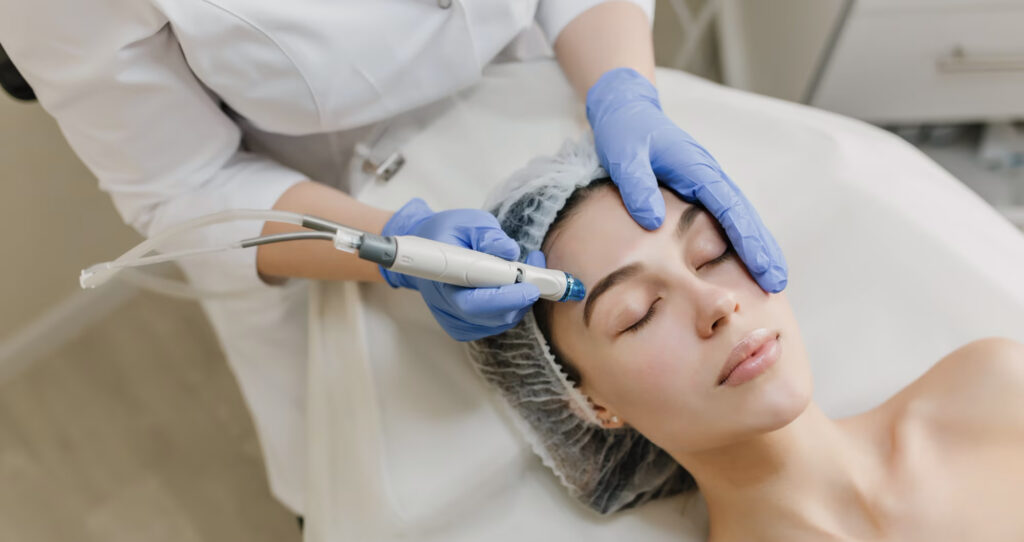
Both cosmetic treatments target the skin’s layered structure of epidermis, dermis, and subcutaneous tissue. They operate through different portals of entry to induce rejuvenation. Microneedling works by creating microscopic wounds to stimulate collagen production and dermal remodeling, while chemical peel treatments dissolve bonds between cells to shed damaged skin and reset surface tone and texture.
Controlled Injury
Microneedling inserts tiny, sterile needles into the epidermis and upper dermis to form targeted micro-channels. These micro-injuries initiate a wound-healing cascade that includes hemostasis, inflammation, proliferation, and remodeling. This process boosts fibroblast activity, new collagen types I and III, and elastin.
The effect is architectural, not just surface, and promotes progressive extracellular matrix thickening over weeks to months.
Device action: manual rollers, automated pen devices, and radiofrequency microneedling deliver controlled depths and densities to reach target planes with less epidermal loss.
Biological response: Platelets release growth factors. Keratinocytes and fibroblasts orchestrate matrix reconstruction to ensure neocollagenesis and neoelastogenesis to stabilize scar edges and smooth wrinkles.
Remodeling timeline: Collagen reorganization continues for months, so results build slowly and often peak after a series.
Measurement: Standardized scales such as VSS or GAIS, plus self-assessment questionnaires, help quantify change in scar height, texture, and patient-perceived quality.
This controlled injury heals atrophic acne scars, fine to moderate wrinkles, and stretch marks by realigning collagen bundles instead of removing surface layers. It is minimally invasive compared to surgical resurfacing, with little downtime and small risk if done on intact skin, hygienically, and with proper depth control.
Emerging nanoneedling uses smaller arrays for shallow, uniform entry that can help pigment-prone skin by reducing inflammation burden while still improving tone.
Chemical Exfoliation
These chemical peel treatments apply an acid solution, such as glycolic, salicylic, lactic, or trichloroacetic acid (TCA), to loosen corneocyte bonds. At stronger concentrations, these acids can coagulate proteins in the lower layers of the skin. This process, known as keratolysis, accelerates cell turnover, effectively sloughing off photodamaged cells and unclogging pores. With multiple, spaced sessions, the epidermal architecture tightens, resulting in a more uniform light reflection.
Light peels are particularly effective in the stratum corneum and upper epidermis, making them useful for addressing dull skin tone, mild acne, and very fine lines. On the other hand, medium peels, such as those with 20–35% TCA or blended agents, penetrate deeper to the mid to lower epidermis and papillary dermis, assisting in fading dark spots and reducing crisp lines.
Deep peels, which include phenol or high-strength TCA, target the reticular dermis and are beneficial for significant photoaging. However, they require more downtime and close monitoring by dermatologists.
It’s well-known that cosmetic treatments like chemical exfoliation effectively address issues such as lentigines, melasma patterns, sun damage, and surface wrinkles. This is achieved by lifting pigment clusters and resetting the epidermal finish.
We can customize our cosmetic procedures and application times based on individual skin phototype, oiliness, sensitivity, and target depth. This is done through patch testing and staged protocols to minimize the risk of post-inflammatory hyperpigmentation.
Microneedling vs Chemical Peels
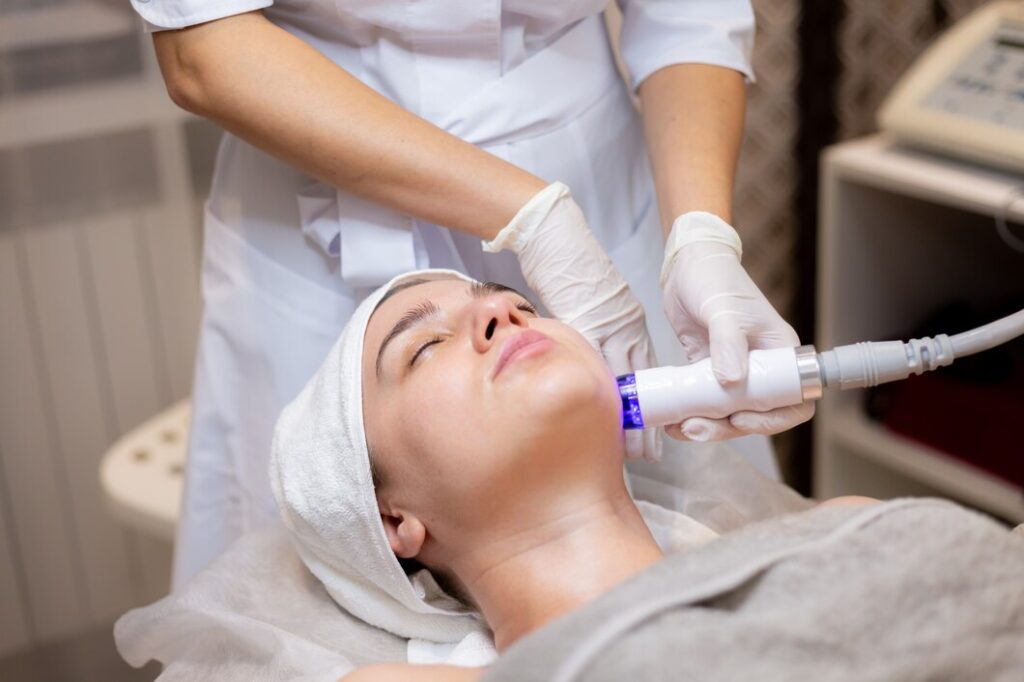
Both microneedling and chemical peel treatments target similar skin concerns but act differently. Microneedling creates controlled micro-injury to induce collagen production, while superficial chemical peels use acids to exfoliate at defined depths. Your specific skin concerns and treatment plan will determine the best option.
1. Skin Concerns
Microneedling works effectively for atrophic acne scars, large pores, crepey skin, and mild to moderate wrinkles by inducing neocollagenesis and collagen production. This cosmetic treatment aids in correcting textural imbalances on the cheeks and forehead, resulting in smoother skin and minimizing minor neck lines.
Chemical peel treatments excel in addressing dyschromia such as melasma, sun spots, post-inflammatory hyperpigmentation, and dull skin tone. Superficial chemical peels can soothe mild acne outbreaks and alleviate fine lines while moisturizing the skin’s surface. Medium chemical peels effectively target blotchy sun damage and etched lines, enhancing the overall skin condition.
Both microneedling and chemical peels improve signs of aging, but their efficacy varies by target: microneedling focuses on textural scars and pores, while peels are ideal for pigment and surface concerns. It’s essential to match the treatment modality to the specific skin concerns to avoid over-treating.
2. Skin Type
Microneedling is safe for all Fitzpatrick types, including darker skin and reactive skin, with conservative depth and sterile technique.
Some peels increase risk in Fitzpatrick IV to VI and sensitive skin because of post-inflammatory pigment alteration, particularly medium and deep phenol or high-strength TCA. Superficial peels with mandelic or lactic acid are usually safer.
As always, check barrier function, recent sun exposure, and history of melasma. Professional guidance matches peel choice and priming to personal risk.
3. Downtime
Microneedling downtime is typically short. Erythema and mild edema subside within 24 to 72 hours. Makeup usually can be worn after 24 hours.
Peel downtime scales with depth: superficial peels have minimal shedding for 2 to 5 days, medium peels flake and crust for 5 to 10 days, and deep peels may take weeks. Anticipate peeling with peels and pinkness after microneedling.
Schedule sessions around occasions, vacations, and camps.
4. Sensation
Microneedling works by creating microscopic wounds that stimulate the skin’s natural healing process, leading to rejuvenation. A topical anesthetic is used to minimize discomfort during the treatment session. Peels, such as superficial chemical peels, can sting or burn upon application, especially with higher concentrations, but they effectively address specific skin concerns like uneven skin texture and dark spots.
Fans, buffering, and timed neutralization are techniques used to enhance comfort during chemical peel treatments. The level of tolerance varies depending on individual skin conditions and the treatment area. For those feeling squeamish, opting for less invasive cosmetic treatments might be preferable, as they can still yield significant improvements in skin texture and overall appearance.
Higher concentration peels, including medium chemical peels, provide deeper penetration, targeting issues like acne scarring and dynamic wrinkles. Understanding the various treatment options, including microneedling and chemical peels, can help patients achieve their aesthetic goals while ensuring a comfortable experience throughout the healing process.
5. Results Timeline
Microneedling produces slow transformation across weeks while collagen remodels, with a usual series of 3 to 6 treatments, each 4 to 6 weeks apart.
With peels, they can be improved in days for superficial peels to weeks for medium or deep peels, every 2 to 4 weeks for light peels, 3 to 6 months for medium peels, and yearly or less for deep peels.
All can result in temporary flaking and irritation, with deeper peels causing more peeling. Don’t do intense exercise 24 to 48 hours after either.
They tend to begin with a peel to get tone back on track, then introduce microneedling to go deeper, taking photos along the way under consistent lighting to measure results.
Feature | Microneedling | Chemical Peels |
|---|---|---|
Best for | Atrophic scars, pores, mild wrinkles | Pigment, sun spots, surface roughness |
Skin types | All, including IV–VI | Caution in IV–VI beyond superficial |
Downtime | 1–3 days | Superficial: 0–5 d; Medium: 5–10 d; Deep: weeks |
Sessions | 3–6, every 4–6 weeks | Light: 2–4 weeks; Medium: 3–6 months; Deep: ≥12 months |
Sensation | Prickling, numbed | Stinging/burning, varies by depth |
A Professional’s Perspective
It’s not an either/or with microneedling or chemical peels; it’s about your skin type, history, and goals. An expert consultation grounds security and result. Both treatments require technique, device calibration, and product expertise to sidestep side effects and achieve reliable outcomes. Maintenance training counts.
Think automated pens and radiofrequency microneedling, and peels from superficial acids to medium-depth agents.
The Consultation
- Current routine: actives (retinoids, vitamin C, alpha and beta hydroxy acids), frequency, and tolerance
- Allergies or sensitivities include anesthetics, aspirin, shellfish, fragrances, and prior peel reactions.
- Medical history: keloid risk, autoimmune disease, isotretinoin use, pregnancy, herpes simplex
- Procedures: lasers, peels, microneedling, fillers; dates and outcomes
- Lifestyle: sun exposure, travel plans, events, sunscreen habits
- Goals: texture, pores, scars, fine lines, pigment, tone
Professional’s eye: Clinicians evaluate texture, pores, atrophy, and pigment patterns in good lighting, occasionally with imaging to map melanin and vascular concerns.
We balance microneedling’s collagen induction, which saves surrounding tissue and minimizes downtime, with peeling depth for pigment or photoaging. RF microneedling is used for laxity and deep scars, while superficial peels are used for diffuse dullness and melasma-prone skin.
Anticipate talk of the number of sessions and spacing. Multiple microneedling sessions spaced out several weeks apart are typical. We establish quantifiable baselines and measure change with the Global Aesthetic Improvement Scale and for scarring, the Vancouver Scar Scale.
Your customized regimen balances strengths and risks with your schedule, budget, skin tone, and recovery tolerance.
Treatment Synergy
Multimodality can enhance results when a single tool maxes out. Microneedling increases dermal remodeling. Peels smooth skin cell turnover and color.
For stubborn acne scars, intersperse RF microneedling every 4 to 6 weeks with light chemical peels. For mixed pigmentation, combine mild microneedling with low strength acids and inflammation modulation.
Protocols need to be customized so as not to over-irritate, particularly in darker skin types or reactive skin. Professional tips include buffering strategies, patch tests, and staged intensity to avoid setbacks.
Begin conservative, evaluate healing, then increase depth, needle length, acid strength, or add PRF if tolerated.
Long-Term Strategy
Long-term care maintains improvements. Most enjoy touch-up visits every 6 to 12 months, tailored to the rate of aging, sun exposure, and scar burden.
Daily care is what makes the medical work wear. Apply broad-spectrum SPF 50 plus antioxidant serum in the morning and a non-stripping cleanser to preserve the barrier.
Microneedling is tried and true with 20 years of innovation and a robust safety history. Side effects are generally mild, including temporary redness and minor swelling, and collagen remodeling persists for months, so the effects accumulate slowly.
Routine follow-ups allow us to adjust cadence and track progress objectively with GAIS or VSS. Then we can optimize treatment selection and intensity.
Potential Risks
Both cosmetic treatments, such as chemical peel treatments and microneedling, induce regulated damage to resurface skin, addressing specific skin concerns like uneven skin texture and dark spots. Risks include infection, dyschromia, and scarring, which can be heightened with deeper chemical peels compared to standard microneedling.
Microneedling Risks
Common side effects of cosmetic treatments can include transient erythema, mild edema, warmth, and pinpoint bleeding that typically subside within 24 to 72 hours. Some patients may experience mild roughness or light exfoliation as the stratum corneum regenerates. Increased sunlight sensitivity for days makes broad-spectrum SPF 30 plus sunscreen and shade essential for protecting the skin.
Less common but serious events are infection, granulomatous reactions, scarring, and post‑inflammatory hyperpigmentation (PIH), typically related to non‑sterile needles, excessively dense passes, or treating active acne or dermatitis. Inflammation can change tone or texture, which can be long lasting if not addressed early with mild anti-inflammatories and pigment control.
Home devices may raise concerns for skin tears and inconsistent penetration of topical products. Needles can dull quickly and are challenging to clean, leading to potential complications. Professional protocols utilize single-use sterile cartridges and medical-grade disinfection, ensuring precise depths for specific skin concerns, such as 0.5 to 1.0 millimeters for periocular areas and 1.0 to 2.0 millimeters for cheeks.
Sensitivity to photosensitivity is at its highest during the first week, therefore steer clear of heat, sweating, exfoliants and retinoids. If you’re prone to PIH or keloids, talk about pretreatment with azelaic acid or a melanogenesis inhibitor, and hold off on treatment during flares.
Chemical Peel Risks
Anticipated side effects such as stinging, burning, erythema, edema, and peeling range from light flaking after superficial chemical peels to week-long crusting with deeper agents. Temporary discoloration is typical as the melanocytes reset, and sun sensitivity increases for a minimum of 1 to 2 weeks after cosmetic treatments. More serious concerns such as scarring, prolonged redness, and post-inflammatory hyperpigmentation can occur, particularly with medium chemical peels or aggressive neck applications. Those with darker skin tones face a higher risk of skin discoloration, making careful agent selection and priming with hydroquinone essential.
The depth of injury is influenced by factors like agent, concentration, pH, and contact time. Proper skin prep, neutralization, and rigorous aftercare are crucial to stave off infections and maintain skin texture. Following a chemical peel treatment, it is advised to avoid workouts, heat, retinoids, and picking, while using bland emollients and high-zinc sunscreen to protect the skin.
Agent, concentration, pH and contact time account for injury depth. Proper skin prep, neutralization, and rigorous aftercare stave off infections and textural shift. No workouts, no heat, no retinoids, no picking, bland emollients, and high-zinc sunscreen.
Isotretinoin (recent use), photosensitizers, keloid history, active herpes, or eczema increase complication risk. Pre-screening, antiviral prophylaxis when indicated, and staged peels decrease complications.
Ultimately, understanding the nuances of each cosmetic procedure, including chemical peel treatments, is vital for achieving desired aesthetic goals. By being informed about potential side effects and the importance of proper aftercare, patients can ensure their journey towards healthier, smoother skin is as successful as possible.
The Patient Experience
This section describes how microneedling works and the experience of chemical peel treatments from consult to recovery, highlighting the importance of preparation and aftercare for safe, reliable results. Communicate your preferences at each stage to customize the cosmetic procedure for pain management, penetration depth, and timing, ensuring optimal rejuvenation.
Preparation
Prior to your cosmetic treatment, avoid waxing, depilatory creams, scrubs, or tanning for 1 to 2 weeks. It’s essential to stay gentle on skincare; refrain from using acids or new actives. Discontinuing retinoids, AHA/BHA, and exfoliating devices 5 to 7 days before your chemical peel treatment will help reduce irritation risk. If you have sensitive skin, consider extending this up to 10 days. Arrive with clean, makeup-free skin, and leave heavy moisturizers and SPFs at home on the day of your treatment, as recommended by your clinic.
Additionally, inform your provider about any active cold sores, acne flares, or infections, and discuss any recent use of antibiotics or isotretinoin. This information is especially crucial for individuals with darker skin tones (Fitzpatrick IV–VI), as superficial chemical peels can increase the risk of hyperpigmentation.
Following these guidelines will help ensure a smoother skin experience and optimal results from your chosen cosmetic procedures. Always consult with your dermatologist to address specific skin concerns and develop the perfect treatment plan tailored to your needs.
Procedure
Microneedling begins with a cleanse and photos, followed by a topical anesthetic for 20 to 30 minutes. A sterile, single-use cartridge forms controlled microchannels at a depth of 0.25 to 2.5 mm, pass by pass, with glide serum. Common areas of concern include cheeks, temples, forehead, nose, and jawline. Spot bleeding can happen and is lightly mopped.
Face sessions conclude in approximately 45 to 60 minutes. For atrophic acne scars, depth and passes differ by scar type, such as icepick, boxcar, or rolling, to correspond to tissue requirements.
Chemical peels start with degreasing, eye protection, and specific application of the solution (think 35% glycolic acid for a light-medium depth). The clinician observes the endpoint, which includes erythema, frosting, or patient response, then cools as needed.
Total contact time can be 110 minutes depending on strength and skin response. Light peels and microneedling typically conclude in under an hour and are administered in-office by skilled experts for security and uniformity.
Aftercare
- Don’t pick, scrub, shave, exfoliate or use hot water until re-epithelialization is complete. Use a bland cleanser and barrier cream.
- Follow your clinic’s protocol: some regimens include a topical antibiotic once daily for three days and strict broad-spectrum sunscreen reapplication.
- Stay out of the sun, pools or ocean, steam rooms, and exercise for 48 to 72 hours, with longer restrictions after medium peels. Wear a hat and find some shade.
- Look for potential erythema, edema, pain, downtime and peels can cause hyperpigmentation, especially in darker skin types. Report unusual swelling, severe pain, or new dark patches promptly.
In a 12-week protocol, every 2 weeks, Fitzpatrick IV–VI with atrophic acne scars received either microneedling in Group A or glycolic peels in Group B. Efficacy varied; 26.67% in Group A and 66.67% in Group B showed no efficacy.
Microneedling significantly lowered scar grade compared to 35% glycolic acid. Each scar type reacts distinctively, so plans should be personalized to scar morphology and skin tone to minimize extended recovery and side effects.
Choosing Your Path
Appropriate the method to the issue, the schedule and the objective. There’s no such thing as a universal skincare plan. Results stem from the appropriate match of method to skin type, Fitzpatrick level, and downtime sensitivity.
For mixed concerns like fine lines, acne scars, pore size, and early laxity, microneedling is a great fit because needle depth, number of passes, and pattern can be adjusted per zone. I can run 0.5 mm for thin periorbital skin, 1.0 to 1.25 mm for cheeks, and increase to 1.5 to 2.0 mm for atrophic scars, allowing me to target texture and contour with precision.
It micro-channels and increases uptake of serums like hyaluronic acid or growth factors, augmenting post-procedure care. For most patients, expect minimal redness and warmth that dissipate within 24 to 48 hours, allowing for more convenient scheduling around business or travel.
In my experience, the dramatic amount of improvement in texture, discoloration blending, and contour improvement is typically greater with microneedling than with peels at similar downtime.
Chemical peels work well for pigment, dullness, and fine surface lines. Once the peel is on the skin, depth is set. Light peels, such as 20–30% glycolic or low-strength salicylic, bring a few days of mild redness and flaking.
Medium peels, such as 35% TCA or Jessner/TCA blends, may cause up to two weeks of pronounced peeling, redness, and sensitivity. Deep peels, such as phenol or high-strength TCA, have a recovery time of 2–3 weeks with harsh redness, swelling, and extreme sun sensitivity.
Although peels are available in light, medium, and deep strengths, application depth cannot be modified mid-flight, so the method is more “one setting” versus “dial-by-zone.” This is great for even photodamage or diffuse patterns of melasma if carefully planned, but is less customizable than microneedling.
Pick according to priority. If you seek consistent improvements with minimal impact, microneedling every 4 to 6 weeks for 3 to 4 sessions is an achievable route. If you require quicker pigment reset prior to a fixed date and don’t mind downtime, a medium peel can be scheduled 2 to 3 weeks ahead.
For darker skin tones, microneedling is typically safer for texture work, whereas gentle superficial peels or azelaic or mandelic-based protocols can assist pigment control. A professional gearing up for an international conference could plan microneedling two weeks out for polished texture with minimal peeling.
Someone with sun damage after a beach season may do a medium TCA in the off-season with diligent sun protection.
Book your consultation now for a personalized plan that honors your skin, timetable, and ambitions. To receive expert advice and get started, contact Wall Street Dermatology.
Conclusion
Microneedling and peels both work. For both tools, they each slot a specific task. If you need collagen, acne scars, or fine lines, microneedling builds from within. If you are looking for glow, pigment lift, and smooth tone, a peel sloughs dull skin quickly. Fair skin can take more potent peels. Darker skin requires prudent peel depth or a more mild strategy. Active acne or fragile skin may fare better with light peels or staged needling. Budget, downtime, and goals drive the rhythm.
We stack smart in our clinic, too. For instance, a light TCA peel clears pigment and then microneedling firms and refines. Or a lactic peel provides some pre-party glow. Defined strategy, sanitary prep, and precise aftercare. Prepared to carve out your strategy? Schedule a consultation, bring your goals, and we’ll strategize.
Frequently Asked Questions
Which is better for acne scars: microneedling or chemical peels?
Microneedling works effectively on indented acne scars by stimulating collagen production, while medium chemical peels can also aid in improving uneven skin texture and discoloration. Many patients achieve the best results through a combined package of cosmetic treatments, so always consult a licensed dermatologist for a personalized treatment plan.
How do microneedling and chemical peels work differently?
Microneedling works by using tiny needles to stimulate collagen production, while chemical peel treatments employ acids to shed dead skin cells and accelerate cell turnover. Both cosmetic procedures enhance skin texture and tone, with your specific skin concerns dictating the optimal treatment option!
What skin concerns does each treatment target best?
Microneedling works effectively for acne scars, fine lines, and enlarged pores, while chemical peels target uneven skin tone, sun damage, and melasma. For deeper skin concerns, a combination of chemical peel treatments and microneedling may be necessary.
Which has less downtime?
Light chemical peels involve minimal downtime, making them a popular choice among cosmetic treatments. Medium peels can peel for up to five to seven days, while microneedling typically has redness for one to three days, depending on the specific skin concerns addressed.
Are these treatments safe for darker skin tones?
YES, with technique. Microneedling works safely on all skin tones, while chemical peel treatments require the right acid and strength to avoid hyperpigmentation. It’s essential to find a skilled clinician experienced in cosmetic treatments for skin of color protocols.
Can I combine microneedling and chemical peels?
Yes, when scheduled by a professional, cosmetic treatments like microneedling works effectively to enhance results for scars, skin tone, and texture. Your provider will schedule timing and strength according to your specific skin concerns to preserve your skin barrier.
How many sessions will I need to see results?
Microneedling works by creating microscopic wounds that stimulate the skin’s natural healing process, often requiring 3 to 6 sessions spaced 4 to 6 weeks apart. Chemical peel treatments, including superficial chemical peels and medium chemical peels, typically involve 3 to 6 sessions spaced 2 to 6 weeks apart to address specific skin concerns and maintain results.