
When it comes to rejuvenating your skin and tackling issues like fine lines, pigmentation, and texture, two of the most effective treatments are chemical peels and microneedling. But which one delivers the best results? At Physician Aesthetic Institute, we’ve worked with clients who’ve experienced both, and we understand the power of each treatment. While both can revitalize your complexion, they each target different skin concerns and offer unique benefits. In this post, I’ll break down the results you can expect from chemical peels versus microneedling, helping you decide which option is right for your skin type and goals. Whether you’re looking to address stubborn acne scars, fine lines, or dull skin, this comparison will give you a clear understanding of how these treatments stack up.
- Key Takeaways
- Understanding Chemical Peels
- Exploring Microneedling
- Chemical Peel vs Microneedling Results
- The Treatment Experience
- Your Ideal Treatment Path
- Combining Treatments
- Conclusion
- Frequently Asked Questions
- Which treatment shows faster results: chemical peels or microneedling?
- Which is better for acne scars: chemical peels or microneedling?
- How many sessions are needed to see results?
- Which treatment has more downtime?
- Are the results permanent?
- Can I combine chemical peels and microneedling?
- Who should avoid these treatments?
Key Takeaways
- Chemical peels chemically exfoliate damaged epidermal layers, giving you quicker improvement to tone and surface texture. Microneedling creates microinjuries that stimulate collagen remodeling for more gradual smoothing and tightening. Select peel depth or needle length according to the depth of targeted tissue and your willingness to endure recovery time.
- For pigmentation concerns such as sun spots and melasma, chemical peels tend to provide faster brightening, while microneedling promotes tone uniformity with reduced chance of post-inflammatory pigmentation on various phototypes. Pair microneedling with pigment-correcting serums for synergistic results.
- For acne scars and etched texture irregularities, microneedling is a first-line option for atrophic and rolling scars due to direct collagen induction. Medium to deep peels can help superficial scars but require longer healing and more stringent aftercare.
- Both diminish fine lines, but peels resurface the outer strata for faster softening while microneedling thickens the dermis for gradual tightening. Pairing modalities can tackle both surface and structural wrinkles more thoroughly.
- Downtime varies depending on intensity, with superficial peels and standard microneedling recovering within 1 to 3 days. Deeper peels necessitate prolonged healing and barrier reinforcement. Use broad-spectrum sun protection, hydrate gently, and steer clear of irritants until completely recovered.
- Actionable next steps: Determine your main concern versus Fitzpatrick skin type and downtime. Then schedule multiple sessions four to six weeks apart. Alternate light peels with microneedling to hedge your bets between instant glow and long-lasting collagen benefits.
Chemical peel vs microneedling results vary in depth of impact, downtime, and what they address.
Chemical peels use acids to induce controlled epidermal exfoliation, which aids pigment, dullness, and fine lines with results in 7 to 14 days.
Microneedling pierces micro-channels, activating dermal collagen, which aids scars, pores, and skin tightness with momentum accumulating over 8 to 12 weeks.
Both can couple with PRF, retinoids, or lasers for more potent results.
The body goes into details on indications, timelines, recovery, and how we design treatment trajectories.
Understanding Chemical Peels
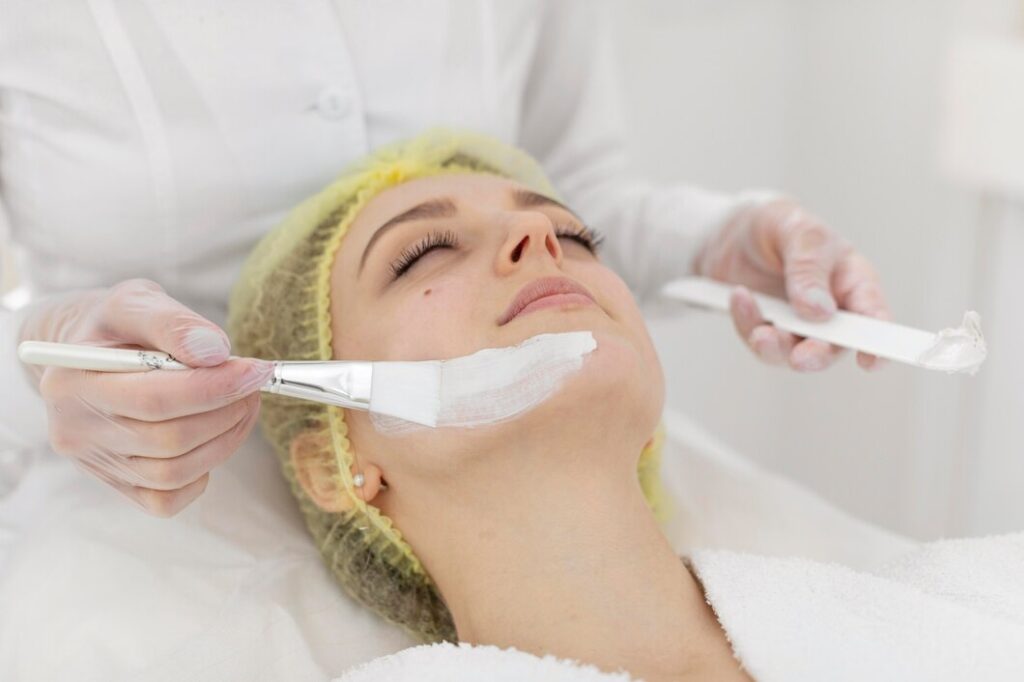
About: Decoding chemical peels
Chemical peels employ regulated chemical exfoliation to raise damaged layers of skin and induce repair. They address fine lines, acne scars, pigment irregularity, rough texture, and sun damage by accelerating cell turnover and exposing a smoother, more luminous surface.
Depth matters. Light, medium, and deep peels work at different skin levels and deliver different recovery timelines and results.
The Process
A peel uses a calibrated chemical agent on the face to produce targeted damage in the epidermis and occasionally the upper dermis. That brief, targeted exposure breaks the bonds between dead cells, causes visible flaking, and induces renewal.
The entire visit usually takes 20 to 30 minutes.
- Cleanse and degrease the skin
- Apply chemical solution evenly
- Timed exposure (minutes, set by agent and skin response)
- Neutralize or strip or let self-neutralize post-care.
Exfoliation dissolves the stratum corneum and, in varying degrees of depth, some of the epidermis or papillary dermis. This triggers new keratinocyte growth, amplifies dermal remodeling and evens the appearance of pores, fine lines, and blotchy tone.
Treatment Types
Superficial chemical peels work primarily in the epidermis, offering minimal downtime and the advantage of being repeatable. In contrast, medium chemical peels penetrate deeper to the papillary dermis, providing more substantial correction but requiring a longer healing process. Deep chemical peels, targeting the mid-reticular dermis, lead to significant transformation and necessitate an extended recuperation period.
Peel depth | Primary agents | Target concerns | Typical downtime |
|---|---|---|---|
Superficial | Glycolic, salicylic, low TCA, lactic | Dull tone, mild acne, early pigment | 1–3 days flaking |
Medium | 20–35% TCA, Jessner + TCA | Photoaging, dyschromia, acne scars | 5–10 days peel/crust |
Deep | Phenol (Baker-Gordon), high TCA | Deep wrinkles, actinic damage | 10–21+ days recovery |
Glycolic acid chemical peels are particularly effective for improving skin tone and reducing fine lines, especially on normal to dry skin types. Salicylic acid, on the other hand, is ideal for those with acne scars or oily skin, as it penetrates pores effectively.
Trichloroacetic acid (TCA) serves as a versatile option for medium-depth remodeling and addressing pigmentation issues, while phenol is utilized sparingly for severe skin conditions, such as etched lines and significant photodamage.
Expected Outcomes
Once peeling stops, most patients observe clearer tone, finer texture and more even color. Superficial peels provide subtle yet rapid improvements. Medium peels create noticeable change in texture and pigment.
Deep peels provide the most robust softening of carved lines. Results scale with depth: deeper peels bring bigger shifts and extend healing and aftercare.
Lots require a series: light every 2 to 4 weeks, medium every 3 to 6 months, and deep once per year or less. Typical side effects are redness, flaking for three to seven days, light swelling, and increased sun sensitivity.
Anticipate mild to moderate erythema for twenty-four to forty-eight hours. The majority of activities are resumed within a day, but makeup timing varies with depth and re-epithelialization.
Pre-care matters: pause retinoids and exfoliants, and limit sun exposure for one week before to reduce irritation and uneven peeling.
Exploring Microneedling
Microneedling is a cosmetic technique that employs tiny needles to induce micro-injuries in the skin. These small wounds activate the body’s repair mechanism known as collagen induction therapy, so fresh collagen and elastin develop while the top remains undisturbed. It treats acne scars, fine lines, laxity, large pores and even stretch marks.
It is appropriate for almost any skin type and tone and has little downtime in comparison to deeper chemical peels.
The Mechanism
Sterile needles penetrate the epidermis into the superficial dermis, generating microcolumns of injury that initiate hemostasis, inflammation, and remodeling phases. Fibroblasts upregulate type I and III collagen, with parallel increases in elastin and glycosaminoglycans. As these structures regenerate, skin becomes denser and smoother.
Each channel behaves like a delivery conduit, so low-molecular serums, such as vitamin C, peptides, growth factors, and PRF, penetrate more effectively. This enhances even spread and can increase the procedure’s output without increasing thermal injury.
The healing cascade tightens the extracellular matrix. Over weeks, cross-linking boosts firmness and fine lines fade. Texture smooths and pores diminish in size.
Devices vary. Rollers, pens, and stampers differ in needle gauge, density, and stroke mechanics. Automated pens provide consistent depth, and radiofrequency microneedling adds heat at the tip for additional dermal coagulation and more potent remodeling.
Treatment Depth
Superficial passes address tone, mild texture and pores with reduced erythema and almost zero impact to your daily schedule. Deeper work for atrophic acne scars, surgical scars and etched wrinkles calls for a cautious approach and longer recovery windows.
Depth is determined by skin thickness, anatomic location and the objective. Thinner regions such as the periorbital area require shorter needles. The cheeks or body can tolerate deeper needles for scar remodeling.
- 0.25 mm: boost product penetration, very mild texture
- 0.5 mm: fine lines, pigment support, early pore concerns
- 0.75–1.0 mm: moderate texture change, light acne scarring
- 1.5 mm: atrophic scars, deeper wrinkles, stretch marks
- 2.0 to 3.0 millimeters (body): thick scars, striae on abdomen or thighs
Expected Results
Most see smoother texture and improved tone within 2 to 4 weeks, with maximal changes at 4 to 6 weeks as collagen matures. A course of 3 to 6 treatments, spaced 4 to 6 weeks apart, accumulates improvements in elasticity and luminosity.
Collagen induction diminishes rolling and boxcar scars, smooths fine lines and shrinks enlarged pores. Results can last anywhere from months to years, with durability depending on factors such as age, UV exposure, depth used, and home care.
There is evidence for microneedling’s safety and efficacy, dating back to the 1990s when scar improvement was observed following pigment-free tattooing. Today’s automated pens, RF microneedling and combined protocols expand indications while sparing healthy tissue, which is why recovery is quicker.
Some have mild redness and tightness for one to three days — schedule around events. No official downtime means life can carry on the same day, except no heavy workouts, heat, or sun for twenty-four to forty-eight hours.
It works well on all skin tones with minimal risk of pigment alteration if done properly.
Chemical Peel vs Microneedling Results
Both treatments renew skin but work differently. Chemical peels use controlled chemical exfoliation to lift damaged epidermal layers, whereas microneedling creates precise microchannels that trigger a wound-healing cascade and collagen remodeling in the dermis. Results intersect: discoloration, fine lines, big pores, uneven tone, and scars, but downtime, side effects, and perfect candidates diverge.
Peels shine for surface damage and pigmentation, while microneedling is better for deeper texture change and scar remodeling. A straightforward chart comparing these procedures should outline indications, anticipated recovery, frequency of sessions, and skin-type compatibility.
1. Skin Texture
Both enhance texture. The journey is different. Chemical peels – superficial, medium, and deep – slough off compacted stratum corneum and dyskeratotic cells, which smooths roughness quickly and polishes pores on the surface.
Microneedling initiates neocollagenesis and neoelastin through controlled micro-injury, so smoothing takes place over time as the dermal matrix rejuvenates over a four to six week period. Microneedling is powerful for atrophic and rolling acne scars that reside in the dermis.
Superficial peels assist with fine surface irregularity. Medium peels impart some lift for shallow scars but require downtime. By overlaying staged light peels with a microneedling series, you can tackle both planes. Space them out by at least 2 weeks to minimize irritation.
2. Pigmentation
Chemical peels are excellent for hyperpigmentation, sun spots, and melasma because they promote faster epidermal turnover and disperse pigment. Depth selection matters. Superficial peels are for tone and glow. Medium peels are for mottled dyschromia.
Deep peels are for severe photodamage with longer recovery. Microneedling can even tone, particularly when combined with pigment-correcting serums deposited through microchannels. It is safer across all skin phototypes, including darker tones, and can be used on the face and body.
Peels have a greater risk of post‑inflammatory pigment in darker skin. Cautious prep and conservative depth reduce that risk. The peak tone changes usually manifest around four to six weeks.
3. Acne Scars
Cheek peel vs microneedling results – Microneedling leads to atrophic and rolling scars as it releases tethering and builds collagen with little downtime. Anticipate three to six sessions, spaced four to six weeks apart, for gradual change.
Deeper chemical peels can help soften superficial scars but prolong healing and sun care. For clarity, match scar types: rolling or atrophic scars benefit from microneedling; boxcar scars, which are shallow, respond to a medium peel or microneedling; ice pick scars require other methods plus adjuncts.
4. Fine Lines
They both smooth fine lines in very different ways. Peels smooth by stripping damaged outer layers and stimulating new epidermis. Microneedling stimulates collagen and elastin for slow tightening and wrinkle softening.
Combining staged light peels with microneedling can address static lines at the surface and early dynamic wrinkling underneath.
5. Collagen Stimulation
Microneedling induces collagen I and III directly through micro-injury and continued remodeling, frequently seeing improvements continue for months after the last treatment. Chemical peels stimulate collagen indirectly as skin regrows after exfoliation.
Effects increase with depth, but so does downtime. Monitor results with consistent photos under controlled lighting and angles. Schedule cadence: microneedling involves three to six sessions, four to six weeks apart.
Light peels occur every two to four weeks, medium peels every three to six months, and deep peels about yearly. If mixing, maintain a two-week buffer.
The Treatment Experience
Both chemical peel treatments begin with a thorough skin analysis, photos, and a treatment plan tailored to your specific skin concerns, lifestyle, and goals. Prepare for scrubbing, de-oiling, and a permission check. For protocol-driven series, sessions can be spaced every 20 days, with four total sessions often deployed to measure change across a specified window.
Sensation
Chemical peels create a slight stinging or burning as the acid reduces surface pH. This scales with strength. Superficial glycolic or lactic peels feel warm. Medium-depth TCA peels feel sharper. Deep peels can be intense enough to warrant pain medicine or sedation. Cooling air and timed neutralization assist.
Microneedling has the sensation of shallow pricking or scratching. A topical anesthetic numbs the skin for the majority of clients. Depth and passes amplify the “scratch” feeling on bony areas.
In combined protocols (MN plus CP), order counts. The chemical peeling protocol followed the appendix steps. Step 7 applied a placebo-dermapen when peels were performed solo. Most clients tolerate both well, and sensations subside minutes post session.
Downtime
Healing tips with depth and machine settings. Superficial peels and traditional microneedling result in minimal social downtime. Deep peels require longer healing with rigorous barrier maintenance.
Peels can exhibit visible peeling, redness, and flaking. Light peels tend to flake for one to three days, whereas deeper peels usually shed for seven to ten days, sometimes even longer on the neck.
Microneedling typically causes minor redness and swelling that go away in 24 to 72 hours. Makeup is frequently deferred for 24 hours to minimize infection risk.
Build a simple timeline chart for your calendar: note session days (every 20 days, total four), expected redness hours, peeling days, and training or travel constraints.
Aftercare
Steer clear of the sun and wear broad-spectrum sunscreen with SPF 50 or higher that protects against both UVA and UVB rays every day. Reapply outdoors every two to three hours.
Wash softly with a non-foaming wash, moisturize with a bland emollient, and hold acids, retinoids, scrubs and fragranced products until healed. For peels, apply protective ointments or creams to aid barrier repair and minimize transepidermal water loss.
Don’t pick flakes. Avoid hot yoga, steam, and swimming for 48 to 72 hours. Resume activities gradually, led by skin feel and not the calendar.
Follow instructions closely. In a comparative series of four sessions with 20-day intervals, outcomes varied by approach and sex.
With chemical peeling alone using a placebo-dermapen at step 7, 80% of male patients and 75.8% of female patients reported no improvement in facial look. In the MN plus CP group, 25 of 30 females, or 83.3%, improved by one or more G-B grades.
Health-related quality of life improved significantly in females after MN plus CP with a score of 12.89 ±6.26 compared to 7.07 ±5.04, and after MN alone with a score of 10.70 ±6.55 compared to 7.27 ±5.46. This reinforces the value of precise protocols and diligent aftercare.
Your Ideal Treatment Path
Align the approach with your skin, your ambitions, and your calendar. Microneedling and chemical peel treatments can be tailored to specific skin concerns, sensitivities, and skin types. The correct approach begins with a realistic evaluation and a doctor’s consultation.
- Skin type and Fitzpatrick classification
- Primary concern and severity
- Downtime tolerance and aftercare capacity
- Prior treatments and response
- Budget and number of sessions planned
- Timing of events and sun exposure
- Medications, active acne, or barrier issues
Skin Type
Determine Fitzpatrick type (I–VI) to estimate risk of post-inflammatory hyperpigmentation and choose safe intensity. Darker skin types often respond well to conservative approaches and incremental gains.
Your ideal treatment path is that a board-certified dermatologist should confirm candidacy and set parameters.
Fitzpatrick type | Better-first option | Notes |
|---|---|---|
I–II | Peel (superficial–medium) or microneedling | Wider peel range; monitor sensitivity |
III–IV | Microneedling or superficial peel | Avoid deep peels; prep pigment |
V–VI | Microneedling favored | Use gentle acids only, if peeling |
Microneedling is typically appropriate for a broader array of tones and sensitivities since it maintains epidermal integrity and reduces pigment risk when protocols are rigorous.
Primary Concern
Define the main target: fine lines, wrinkles, acne scars, pigment, or dullness. Then select the instrument of most immediate effect.
For surface problems like dullness, mild blotchy tone, and early fine lines, superficial peels assist in shedding dense stratum corneum and evening tone. Medium peels can step up for etched lines and dyschromia. Deep peels treat severe actinic damage but have a long recovery.
For deeper issues such as acne scars, crepey laxity, and collagen loss, microneedling encourages dermal remodeling and can combine with PRF. It provides additional support for fine lines and some discoloration through neocollagenesis as well.
Prioritize based on severity: mild melasma or PIH responds to gentle, pigment-safe peels and sun control. Boxcar scars require a microneedling series. A combined plan often wins: peel first to clear the surface, then needle four to six weeks later for structure.
Lifestyle Fit
Plot the plan onto your calendar, social life, and sun habits. If you only have a weekend, choose microneedling or a superficial peel. Anticipate 1 to 3 days of redness or slight flake.
Deep peels demand rigorous aftercare, sun avoidance, and weeks of healing. They reward dedication with more impact. They interrupt work and practice.
Schedule more than one treatment. They typically achieve optimal results with three to six microneedling sessions, spaced four to six weeks apart, or a peel series spaced every two to six weeks depending on the depth.
For your optimal treatment course, space procedures at least two weeks apart, giving you a peel first and microneedling after you’ve healed. Always check timing, indications, and safety with a dermatologist.
Combining Treatments
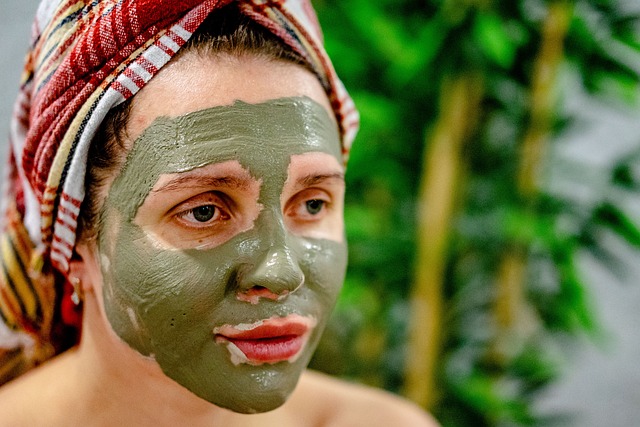
Pairing chemical peel treatments with microneedling effectively addresses texture, pigment, pores, and scars, making it a powerful cosmetic procedure. When combined in the correct sequence, these treatments can accelerate visible transformation while minimizing downtime.
The Synergy
Chemical peels chemically dissolve corneocyte bonds and thin the stratum corneum, reducing diffusional resistance. This ‘debriding’ effect exposes more uniform epidermal layers, so microneedling needles connect with skin more evenly and form controlled microchannels with less torque and drag.
The outcome is a cleaner wound pattern that propels more intense collagen I/III expression and a denser spread of neocollagen throughout treated areas. Rotating the two cuts down on overall irritation. Peels address dyschromia and surface roughness through keratolysis and melanogenesis modulation.
Microneedling addresses dermal remodeling for atrophic acne scars and laxity. Sequencing them, each modality operates in its sweet spot, so you gain more per session with less relapse and PIH. Synergy broadens the treatment options.
For tricky cases—mixed acne scars and blotchy pigment—you can shift peel depth, for example, 20% salicylic versus 35% TCA, and adjust needle depth by zone, such as 0.5 mm periorbital and 1.0-1.5 mm cheeks. This allows you to pursue scars without over-treating pigment-susceptible regions.
Evidence supports the approach: studies report statistically significant improvements on the G-B scale only in the MN and CP group, with 25 of 30 females, or 83.3%, improving, and better effects than either treatment alone in male patients. Health-related quality of life increased in almost all combination patients, all 40 except 1 female and 1 male, which aligns with real-world satisfaction.
Ideal candidates:
- Atrophic post-acne scars, rolling or boxcar types.
- Mottled dyschromia with rough texture.
- Enlarged pores or fine lines on the cheeks or forehead.
- Stable skin with no active infection, a history of keloids, and uncontrolled melasma.
The Timeline
Spacing keeps skin safe. For light-to-medium peels, let re-epithelialization and barrier repair usually take 7 to 10 days and then add buffer time. A conservative rule is to alternate sessions every 4 to 6 weeks so inflammation resolves and remodeling continues.
A practical cadence:
- Week 0: Light CP (for example, glycolic 30 to 50 percent or salicylic 20 percent) for pigment and tone.
- Week 4–6: MN at 0.5 to 1.5 mm based on site for collagen induction.
- Week 8–12: Repeat CP, adjusting acid type or strength to the response.
- Week 12–18: MN again, maintaining intervals to avoid overlap of peak inflammation.
For a majority of 4 to 6 total sessions over 4 to 6 months, then maintenance every 8 to 12 weeks. For darker skin, push gaps out to 6 to 8 weeks and prioritize superficial peels to reduce the risk of post-inflammatory hyperpigmentation.
Include rigorous photoprotection, mild cleansers, and barrier-first skincare in between visits.
Conclusion
Both peel and microneedling deliver results. They each do a different thing. Peels slough off lifeless skin and lighten marks quickly. Microneedling generates new collagen and softens wrinkles in incremental advances. For a fast glow pre-event, go for a light peel. For scars or lax skin, opt for a quick series of microneedling. If you have a blotchy tone and texture, stack them both with smart timing.
Results last longer with sun care, gentle cleansers, and daily SPF 50. A simple plan helps: set clear goals, pick the right depth, and space visits by skin cycle. Examples help: acne scars on the cheeks do well with three to four microneedling sessions. Melasma patches often clear best with mild peels.
Need a plan that suits your skin and schedule? Schedule a consultation at Physician Aesthetic Institute.
Frequently Asked Questions
Which treatment shows faster results: chemical peels or microneedling?
Chemical peels typically demonstrate results in 7 to 14 days, making them an effective treatment option for various skin concerns. For immediate glow and texture, superficial chemical peels may work faster, while microneedling results develop over 4 to 6 weeks as collagen builds.
Which is better for acne scars: chemical peels or microneedling?
Microneedling typically provides superior results for acne scars due to its ability to induce collagen remodeling. Several treatments, including medium chemical peels and deep chemical peels, are common options. However, they require more downtime, and your scar type and skin sensitivity will inform the optimal decision.
How many sessions are needed to see results?
Chemical peels, such as glycolic acid chemical peels, can be effective treatment options, with one to three light peels or a single medium chemical peel often showing results. Expert guidance from dermatologists ensures secure and steady advancement in achieving smoother skin.
Which treatment has more downtime?
Light chemical peel treatments have little to no downtime, while medium chemical peels might require 5 to 7 days for recovery. Microneedling typically results in 1 to 3 days of redness and slight swelling. Deep chemical peels take more time to recover and involve rigorous aftercare, making it essential to consider your lifestyle and schedule when choosing an effective treatment.
Are the results permanent?
While chemical peel treatments provide significant improvements, they are not permanent results. Skin keeps aging and facing the sun. Superficial chemical peels and microneedling boost texture, tone, and firmness.
Can I combine chemical peels and microneedling?
Yes, not in the same session. Experts at Wall Street Dermatology will sometimes alternate chemical peel treatments and other cosmetic procedures in a series for extra texture, tone, and collagen. Spacing well reduces irritation and encourages safe healing, optimizing the skin rejuvenation process.
Who should avoid these treatments?
If you have keloid risk or very sensitive skin, you need to exercise caution when considering cosmetic procedures like chemical peels. A professional at a dermatology center should evaluate your medical history first, especially if you have uncontrolled skin disorders or an active skin infection.