
When it comes to perfecting your eyebrows, you’ve probably come across two popular options: eyebrow tinting and microblading. Both treatments promise fuller, more defined brows, but they’re quite different in terms of technique, results, and maintenance. At Physician Aesthetic Institute, we specialize in both of these treatments and have helped countless clients achieve their ideal brow look. As experts in the field, we understand that choosing between tinting and microblading can be a tough decision. Whether you’re seeking a subtle enhancement or a more defined, long-lasting result, the right treatment can elevate your brow game to the next level. In this post, we’ll break down the key differences between eyebrow tinting and microblading, helping you decide which option is the best fit for your needs and lifestyle. At Physician Aesthetic Institute, we’re here to guide you toward the perfect brows with confidence and clarity.
- Key Takeaways
- What Is Microblading?
- What Is Eyebrow Tinting?
- Eyebrow Tinting vs Microblading
- Who Is The Ideal Candidate?
- The Hidden Deciding Factors
- Making Your Final Decision
- Conclusion
- Frequently Asked Questions
- Is microblading or eyebrow tinting better for sparse brows?
- How long do results last for tinting vs microblading?
- Which option is safer for sensitive skin?
- What is the cost difference between tinting and microblading?
- Can I work out or swim after treatment?
- Will either look natural on very light or gray brows?
- Who should avoid microblading or tinting?
Key Takeaways
- Microblading tattoos pigment into the upper dermis with tiny blades, creating hair-like strokes that resemble real brow hairs. It can reshape sparse, patchy brows and lasts 12 to 24 months with touch-ups. Eyebrow tinting lays semi-permanent dye on top of your existing hairs for a gentler boost that lasts about 3 to 6 weeks.
- Microblading requires structured mapping, topical anesthesia, and aftercare that avoids water, sun, and active skincare during the healing process. Tinting is speedy, pretty much painless, and has negligible downtime. A patch test is a good idea if you have sensitive skin.
- Go microblading if you’re seeking long-lasting definition, gap filling, or a new shape with minimal daily makeup. Go tinting if you’re blessed with naturally full brows, prefer a more subtle color intensity, or are seeking a low-commitment, wallet-friendly solution.
- Skin type and lifestyle habits impact results and longevity for both treatments. Oily or super-thin skin can prevent micropigments from taking well, and regular swimmers or sun worshipers may experience quicker fading of both styles. Schedule upkeep realistically, such as occasional microblading touch-ups or tint refreshes every few weeks.
- Brush up on the craft. Skill counts for both safety and results, so check credentials, peruse before-and-afters, and inquire about pigment or dye quality standards. Schedule a consultation to outline the perfect shape, pick a shade that complements your skin tone, and cover healing and maintenance.
- To do list: patch test, daily routine and pain audit, maintenance budget and aftercare prep (gentle cleanser, broad-spectrum sunscreen, non-oily brow products). If you’re unsure, try tinting first to see how you like the color and shape before you go for microblading.
Eyebrow tinting vs microblading studies two styling techniques that enhance brow pigment and density with varying pigment depth, instruments, and durability.
Tinting applies semi-permanent dye on brow hair and light skin stain for three to six weeks, ideal for already fuller natural brows.
Microblading employs fine pigment strokes in the upper dermis, lasts twelve to twenty-four months, and is ideal for sparse or asymmetrical brows.
To inform savvy decisions, we break down technique, lens, aftercare, dangers, skin types, and price, then chart real-life examples.
What Is Microblading?
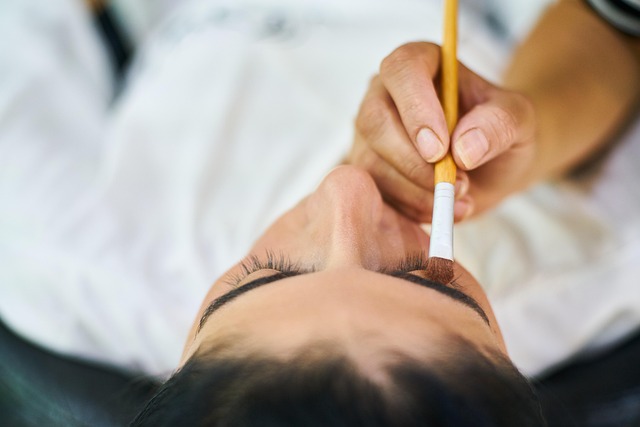
Microblading is a form of semi-permanent tattooing in which a technician uses a handheld device to implant pigment in hair-like strokes into the upper layers of the skin. It is meant to replicate natural brow hairs, add density in thin or patchy areas, and create balance where brows are asymmetric.
Technically, it is superficial micropigmentation, not tattooing, and it uses custom blades and pigments picked to complement your natural brow color and skin tone for a gentle, realistic look.
The Process
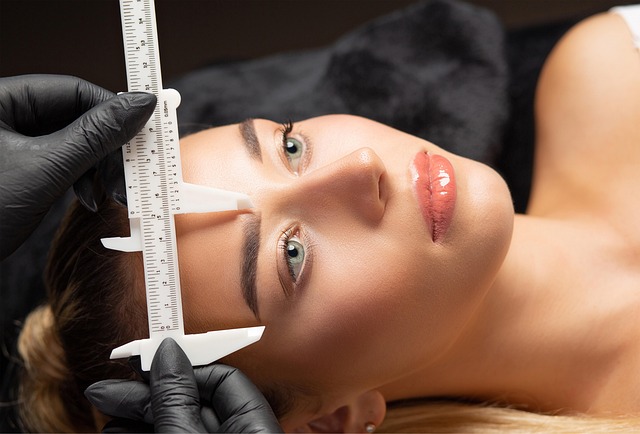
Brow mapping comes first. The outline is guided by measurements of various facial landmarks, including midline, nasal alae, brow heads, arches, and tails. This phase determines a shape that complements your bone structure, muscle tug, and hair growth pattern.
It establishes the desired thickness and symmetry from brow to brow. Following design sign-off, the clinician employs a microblading pen equipped with a sterile, single-use blade to make controlled, shallow incisions in the upper dermal layer as it deposits pigment.
Stroke patterns adhere to natural hair flow to avoid appearing stamped or blocky. Pigments are selected for undertone stability so the healed color remains neutral instead of ashy or warm.
Expect 1 to 2 hours for the initial appointment, given that consultation, mapping, anesthetic time, and the strokes themselves all take place in a single session. The coverage pass that adds density could take 15 to 20 minutes. The remainder is meticulous prep and checks.
A touch up is common at 4 to 6 weeks. This session sharpens edges, balances color post initial fade, and fills in patches that healed too light.
The Sensation
Topical anesthesia is administered beforehand and can be layered during the procedure to reduce pain. A majority of my clients report a faint scratching sound and light pressure as the blade makes tiny incisions.
Certain sections, typically towards the tail or arch, may sting more keenly. The sensitivity differs by pain threshold, cycle-related skin shifts, and skin type. Oily skin might require some firmer passes that some feel more.
Anticipate some mild redness or slight swelling immediately following. It usually sets within several hours to a day.
The Commitment
Results typically last 12 to 24 months. However, some experience results from 1 to 3 years based on skin type, lifestyle, and aftercare. Touch-ups every 1 to 2 years keep strokes crisp and pigment.
Aftercare is important. Keep brows dry initially, stay away from sun and heat, avoid acids and retinoids in the vicinity, and postpone facial fillers or chemical peels for a specified time. No scab picking!
Healing goes for about 6 weeks. Foggy brows are darkest the first week, then they flake, lighten, and settle to a softer, natural tone.
It’s more of a commitment than daily pencils or monthly tinting, with more structure and control over shape and thickness.
What Is Eyebrow Tinting?
Eyebrow tinting is a noninvasive cosmetic service utilizing semi-permanent dye to enhance brow color and add brow fullness without needles, incisions, or grafts. The dye colors brow hairs and lightly stains the skin underneath, which enhances definition in one session and can lessen daily makeup routines.
It works on the majority of hair types and tones, even very light or greying brows, and can be tailored from subtle tinting to a strong, high contrast effect with specially developed dyes for the eye area.
The Method
Technicians prep the brow area by cleaning away oil and residue. They then map the edges of the brow before blending a custom tint shade to match the natural brow shape and skin undertone. The brow tinting process involves brushing the tint through the eyebrows with a small wand or flat brush, saturating the eyebrow hair from root to tip while protecting the edges for a crisp line.
Letting the formula sit for a couple of minutes, typically 3 to 10 minutes, until the desired intensity has been achieved, then wiped away with damp cotton. The color seems darker in the first week and your brows may appear quite bold. The skin stain disappears first, then the hair tint fades over time.
- At-home kits.
- Pre-mixed shades provide minimal control over undertones.
- Minimal equipment leads to inconsistent directions and patch-test advice.
- There is a higher chance of bleed or jagged edges.
- Compare. Shorter wear is typical.
- At the salon.
- Custom blend for tone and depth.
- Eye-area dyes approved safe.
- Careful mapping and cleanup for sharp edges.
- More uniform pigmentation and extended, uniform wear.
It’s important to note that the skin stain fades first, followed by the hair tint over time. When considering different brow services, understanding the pros and cons of brow lamination and tinting is essential for achieving the perfect look.
Aspect | Home Kit | Professional Service |
|---|---|---|
Safety | Depends on brand and user care | Medical-grade protocols, patch testing |
Precision | Self-applied, higher error risk | Trained technique, mapped shape |
Consistency | Inconsistent exposure and time | Controlled timing and removal |
Outcome | Shorter wear, uneven tone possible | Even color, predictable wear |
The Feeling
Tinting is generally painless and comfortable. There are no needles or incisions. Most clients experience nothing but light brushing pressure.
There may be a slight tingle or heat as the dye processes. Sensitive skin should ask for a patch test 24 to 48 hours in advance to check for allergy or irritation.
No downtime. You can go back to work or the gym the same day, but you will still want to keep the brows dry for a minimum of 12 hours afterwards.
The Upkeep
Anticipate results for two to six weeks, typically three to four weeks on brow hairs and a few days of skin stain. Some clients retain color closer to six weeks based on hair cycle and skincare routines.
Schedule touch-ups every 3 to 6 weeks to keep color and definition fresh. Be sure to use gentle cleansing around brows, avoid harsh exfoliants, retinoids, and oil-based products for 72 hours, and keep water, steam, and sweat away for the first 12 hours to help the dye set.
In-between appointments, a tinted gel or ultra-fine pencil can provide fill-in where hairs are thin. This “less is more” ritual frequently stands in for daily heavy filling, particularly for light or greying brows, and the entire treatment lasts roughly 15 to 20 minutes.
Eyebrow Tinting vs Microblading
Both treatments provide fuller and more defined brows but vary in method, duration, and maintenance. Microblading creates semi-permanent hair strokes in the skin, while tinting dyes existing hairs and lightly tints the skin. The decision varies based on how much change you are seeking, budget, pain tolerance, and available time for upkeep.
Check out the details below to choose with confidence!
1. Technique
Microblading is a manual tattoo technique that uses a hand-held pen with a fine blade to make micro-incisions and deposit pigment into the upper dermis. The artist maps brow geometry, adjusts stroke density, and controls depth to prevent blowout or scarring.
Tinting is a surface dye. A brush or spoolie paints on a semi-permanent dye that tints the brow hairs and, to some extent, skin. This increases edge definition and fills in visual gaps temporarily.
Tools differ: microblading pen or blade, sterile cartridges, pigments, mapping calipers, and topical anesthetic versus tint brush or applicator, barrier cream, cotton swabs, and dye. Microblading requires specialized training and aseptic technique. Tinting is performed by many licensed beauty pros.
2. Appearance
Microblading produces sharp, natural strokes that can simulate hair direction, thickness, and quality. It is perfect for redefining arches, fixing unevenness, and camouflaging scars.
Tinting softens and intensifies color, highlights an existing shape, and brings presence without structure alteration. It is good for light or gray hairs and for those trying out a deeper shade before making the leap to blades.
Before-and-after photos are useful. They show microblading for sparse tails or missing heads. They show tinting for fair brows needing contrast.
3. Longevity
Microblading generally lasts 12 to 24 months, with some clients enjoying 1 to 3 years with careful maintenance and occasional touch-ups as the pigment fades over time. It takes 6 weeks to fully heal.
Tinting lasts roughly 3 to 6 weeks, usually 4 to 6 weeks in actuality, because dye fades and new hair growth resumes the original color.
Sun, exfoliants, retinoids, and oily skin can shorten both results. More UV exposure or regular swimming speeds fade.
4. Aftercare
Microblading treatments require dry healing in the early stages: avoid water, sweat, makeup, exfoliants, and sun exposure. Do not pick at flakes; instead, clean the area with a gentle cleanser and any approved ointment if instructed. Proper aftercare is essential for maintaining the quality of your microblade and achieving fuller brows.
When it comes to brow tinting, care is light but still important. Gently cleanse the brow area, avoid oil-based removers, and minimize exfoliation to preserve the results of the tinting process. Remember that bad aftercare can lead to drawbacks, such as diminished color hold and finish.
Always adhere to your provider’s recommended brow lamination aftercare plan in writing to ensure the best results. This will help you achieve a tamed brow that enhances your natural brow shape. By following these guidelines, you can enjoy the distinct benefits of both microblading and brow tinting services.
5. Sensation
Microblading ticks or stings. A topical anesthetic minimizes pain. We love tinting for clients with a low pain threshold.
Tinting is typically painless, with some warmth or a light tingle from the dye.
6. Investment
Microblading has a higher initial cost but saves time and can reduce daily brow product expense. Tinting is cheaper per appointment but requires regular repeats, so annual spending can add up.
A yearly cost view helps compare microblading with one touch-up and tinting every 4 to 6 weeks, including travel and time.
Who Is The Ideal Candidate?
Both brow lamination and brow tinting address different brow concerns. The decision varies based on skin type, hair biology, lifestyle, and desired duration of results. Start with a quick self-check: current brow fullness, hair color, skin sensitivity, tolerance for touch-ups, and upkeep budget. Then align that character to the technique that suits you.
For Microblading
Optimal for gaps, thinning tails or uneven arches that require shaping. If your brows appear thin from years of over-plucking, or you’re experiencing uneven regrowth post-sickness, microblading can reconstruct form with fine, hair-like strokes.
Senior citizens with age-induced thinning typically find immense advantage as well because creating back a crisp edge around the eyes enhances the entire equilibrium. It’s for those who desire extended wear with minimal daily maintenance. Look for semi-permanent results, generally good for 12 to 24 months, refreshing around month 12 to 18.
Hustlers, jet setters, or swoatletes who drench or scorch in the open air love the resilience versus everyday pencils or gels. Perfect skin is not too sensitive, not too oily, but healthy. Normal to combination skin usually holds crisp strokes.
Some pain is inevitable, and a topical anesthetic assists. Aftercare matters: avoid heavy sweat, sun, and swimming the first week. Keep the area clean and lightly moisturized. Not everyone is a candidate. Active eczema, psoriasis, dermatitis, or keloid history on the eyebrow area are contraindications.
Pregnancy, uncontrolled diabetes, or blood thinners may need to be paused or cleared by a doctor. Established pigment or lidocaine allergies preclude candidacy.
For Tinting
Tinting is great when you already have some medium to full brow hair and just want color, consistency, and crisper edges without altering brow anatomy. It paints over hair that is already there to provide dimensional coverage, which enhances detail in an understated, fresh manner.
It’s great for fine, blonde, or grey hairs that disappear in pictures or bright light. Darkening those hairs makes a bolder contour sans cosmetics. If your hair is naturally very dark and you want lighter tresses, tinting doesn’t lift color.
If brows are super bare, tint by itself won’t actually create volume. Sensitive skins tend to fare better with tinting. It’s non-invasive, easy, and typically well tolerated, especially for clients who cannot risk microblading because of reactivity or allergy. A patch test is wise.
It’s perfect for low commitment and budget. Appointments are around 15 to 20 minutes, results are 3 to 6 weeks depending on hair growth and skincare habits, and maintenance is easy. Perfect for events, travel, or to try out a deeper brow before committing to a longer-term solution.
The Hidden Deciding Factors
More than how brows appear or what it’s going to cost, selection depends on skin biology, routine, and the individual wielding the beauty tool. It is when treatments like brow lamination meet your skin, lifestyle, and risk tolerance that results last and look natural.
Your Skin
Begin with skin type, sensitivity and any dermatology background. Eczema, psoriasis, seborrheic dermatitis and active acne near the brows increase irritation and infection risk, which encourages a lot of people to tint before anything else. Age is important as well.
Microblading is best at 18 and older when skin is more mature. Late teens to early 20s tend to have steadier results and pigment holds better. Oily skin can lead to more rapid color diffusion and softer strokes with microblading.
Very thin or sun-worn skin can heal slower and scar easier, requiring conservative depth and lighter passes. Microblading heals in 7 to 14 days with scabs, itch, and initial patchy color. Follow-up at 4 to 8 weeks refines gaps, and annual touch-ups maintain tone for 12 to 36 months based on skin type and care.
Tinting is generally easier for reactive or sensitive skin as dye rests on hair, not the dermis. Both services deserve a patch test 24 to 48 hours before to exclude allergy. Note regional rules: some tint dyes lack FDA approval in certain places, and minors may need parental consent.
Your Lifestyle
Daily routine, sun load, and products alter wear time. High UV, acids such as AHAs and BHAs, and retinoids lighten both dye and pigment quicker. Chlorine and salt water do this as well.
If you swim or sweat exceptionally, anticipate briefer existence for each. Tint generally persists for 3 to 6 weeks, dictated by the hair growth cycle. Equipt’s thorough aftercare helps stretch it out.
Keep brows dry for 24 to 48 hours and avoid heavy sweat or swimming for 48 hours to keep color vibrant. Microblading is for those who are ready to ditch the daily brow fill and embrace a healing window and infrequent touch-ups. Tinting is for those good with fast, repeated hits and no recovery time.
How much upkeep do you want monthly vs yearly?
Will you pause acids/retinoids and use SPF 50 daily?
Can you shield brows from water and sweat for the initial 48 hours?
Do you move or swim so much that you truncate outcomes and require sooner renewals?
Your Artist
Certification and proven experience influence safety and stroke pattern, mapping and shade selection. Expertise influences blade pressure, depth management, and ink selection, which reduces scarring potential and uneven fade.
Examine portfolios for cured outcomes at 4 to 8 weeks, not just straight off the slabs. Look for reviews that talk about symmetry, retention, and managing aftercare.
Inquire about patch tests, pigment sourcing, and sterilization standards, as well as policies for minors and consent in your area. A good specialist will trace your bone structure, hair flow, and natural color, then customize colorant or pigment to your skin tone and lifestyle, not a fad.
Making Your Final Decision
Both give you fuller-looking brows, but they do so in very different ways and on very different timelines. Microblading, a popular option for a permanent eyebrow treatment, implants pigment into the upper dermis using a handheld blade to simulate natural hair strokes, whereas brow tinting dyes your existing brow hairs and skin.
Microblading is semi-permanent, lasting approximately 1 to 3 years and requires a perfecting visit at 4 to 6 weeks. On the other hand, the tinting process is temporary, generally providing 2 to 5 weeks of visible color, with reapplication every 3 to 4 weeks.
Microblading requires more time per visit, approximately 1 to 3 hours, compared to 15 to 30 minutes for tinting. Cost is different: a single microblading session often runs $300 to $500, whereas brow tinting services cost less and fit into routine maintenance.
The look you desire should drive the decision. For thin, irregular, or asymmetrical brows and a desire for exact contour, thickness, and balance control, microblading provides the frame you can trust on a daily basis.
Whether it is to lift a low arch, fill in overplucked gaps, or reconstruct age-lost tails, microblading offers distinct benefits. If you are already in good shape but crave a fuller color or a little more presence, tinting just enriches what you have with less of a commitment.
For instance, a runner who enjoys minimal makeup may like microblading for wake-up-and-go ease, whereas someone who likes to change their brow intensity with the seasons may prefer the flexibility of brow tinting.
Pain tolerance and downtime are important. Microblading uses a blade and can be uncomfortable, with each client feeling varying degrees of scratchy pressure despite numbing, some more than others.
Plan on some mild redness and recommended brow lamination aftercare for a week or so. In contrast, brow tinting is non-invasive with minimal to no discomfort and zero downtime, making it helpful if you need a quick pick-me-up before an event or photo.
Budget and maintenance have to be clear-eyed. Microblading may be more expensive in the beginning but requires less daily effort. Once clients receive the touch-up 4 to 6 weeks after their initial appointment, many only require color refreshes annually.
Brow tinting is less expensive per visit but requires repeats every 3 to 4 weeks, so it accumulates throughout the year. Weigh the risks: microblading is long-lasting, so there is less margin for error.
Choosing an experienced provider, precise mapping, and conservative color helps manage that. Tint fades on its own, so edits are easy and low risk.
When the choice isn’t clear, a consultation is the logical next step. Bring photos of your natural brows, any previous brow work, and your everyday routine.
We evaluate hair density, skin type, symmetry, and color desires, then mock up shapes or color swatches so you can visualize what suits your lifestyle.
Conclusion
Both routes work. Microblading sculpts and fills in spaces with semi-permanent strokes that endure for 12 to 18 months. Tinting enhances color and thickness for 4 to 6 weeks. Sparse brows with scars or thin tails fare well with microblading. Full brows that just lack pop do great with tint. Dark hair, oily skin, and sun habits guide the decision as well.
To be safe, investigate pigments, instruments, and education. Patch test dye. Map brows with obvious landmarks. Schedule touch ups. Follow healing with clean skin, no sweat, and rigorous sun care.
Need a fast glow-up? Go for tint first. Need a shape that sticks? Go for microblading. So bring a picture. Bring your aspirations. I will map, measure, and direct the call. They’re ready to go! Contact us to book a consultation.
Frequently Asked Questions
Is microblading or eyebrow tinting better for sparse brows?
Microblading is best for filling in gaps and reshaping, using a permanent tattooing technique that mimics natural hair strokes for a bolder appearance. Brow tinting, on the other hand, simply darkens existing hairs and slight skin, making it ideal for those with quality natural eyebrow hairs. Decide based on your level of correction.
How long do results last for tinting vs microblading?
Eyebrow tinting services typically last approximately 3 to 6 weeks, while microblading treatments can last 12 to 24 months, with a touch-up at 6 to 8 weeks, depending on factors like skin type and aftercare.
Which option is safer for sensitive skin?
Tinting is typically softer if you employ a quality, plant-derived dye, making brow tinting services a popular option. Microblading, a permanent eyebrow treatment, includes skin breaks and can aggravate sensitive, reactive skin.
What is the cost difference between tinting and microblading?
Tinting is wallet-friendly, and the per session cost tends to be lower compared to microblading treatments. Microblading costs more due to the artistry and quality products used, as well as its durability. Consider maintenance: brow tinting services require frequent visits, while microblading needs an annual refresh.
Can I work out or swim after treatment?
After microblading treatments, avoid sweat or swimming for 7 to 10 days to ensure healing strokes remain undisturbed. Once brow tinting services are applied, keep brows dry for 24 hours before enjoying your new look!
Will either look natural on very light or gray brows?
Sure, if you’re working with the proper color and application, brow tinting boosts light hairs for a subtle lift. Microblading treatments can render realistic strokes in custom pigments, giving you fuller brows with a natural shape.
Who should avoid microblading or tinting?
Stay clear of microblading treatments if you’re pregnant, nursing, on blood thinners, or have active skin conditions. Additionally, avoid brow tinting services if you’re prone to dye allergies or eye infections. Always reveal your medical history and patch test.