When it comes to dry skin, the signs of aging can often become more pronounced—think fine lines, dullness, and that parched feeling that never seems to go away. If you’re dealing with dry, aging skin, you’re not alone, and the right facial can make all the difference in restoring both moisture and youthful radiance. Over the years, I’ve worked with countless clients who’ve seen incredible results with anti-aging facials specifically designed to address dryness while fighting the visible signs of aging. In this post, I’ll be breaking down the best anti-aging facials for dry skin, and how these treatments help replenish, hydrate, and rejuvenate your complexion. If you’re ready to give your skin the nourishment it craves while reducing the look of fine lines and wrinkles, this post is for you.
- Key Takeaways
- The Science of Anti-Aging Facials
- Benefits of Anti-Aging Facials
- Comparing Facial Techniques
- Professional vs. At-Home Care
- Beyond the Treatment Room
- Is It Right for You?
- Conclusion
- Frequently Asked Questions
- How do anti-aging facials work?
- What results can I expect and how soon?
- Which facial technique is best for aging skin?
- Are professional facials better than at-home care?
- How often should I get an anti-aging facial?
- Are anti-aging facials safe for sensitive or darker skin tones?
- What should I do after a facial to keep results?
Key Takeaways
- Anti-aging facials stimulate collagen production, promote cell turnover, and strengthen the skin barrier to minimize wrinkles and increase elasticity and moisture. Prepare for slow, steady progress with regular sessions and good aftercare.
- Things like microneedling, fractional laser, and radiofrequency cause dermal remodeling that tightens loose skin and smooths out deep wrinkles. Keep the results going at home with collagen supportive topicals like retinoids, peptides, and collagen-boosting serums.
- With managed exfoliation using AHAs such as glycolic acid, retinoids, and enzyme peels, all of which encourage cellular renewal to create smoother texture and a brighter tone. Schedule regular but gentle exfoliation and combine with sun protection of SPF 30 or higher to avoid irritation and pigmentation.
- Barrier-supportive care with ceramides, glycerin, hyaluronic acid and non-fragrant oils replenishes moisture and strength. Follow up with a gentle cleanser, hydrating serum and daily protection with broad spectrum sunscreen to prolong post-facial results.
- Technology-infused options such as LED, microcurrent, and radiofrequency provide targeted boosts for wrinkles, elasticity, and inflammation when compared to hands-on methods. Select techniques according to skin type, sensitivity, and objectives. Schedule treatments every four to six weeks for a compounded effect.
- Professional-strength protocols deliver increased potency and targeted delivery for rapid results, while at-home regimens maintain momentum between appointments. Develop a daily routine that cleanses, moisturizes, uses actives like vitamin C or retinol, and protects to maintain skin health over the long term.
Anti-aging facials are organized skin therapies designed to increase collagen, smooth texture and minimize fine lines through time-tested techniques such as chemical exfoliation, targeted serums and device-based treatments.
At Physician Aesthetic Institute, packages frequently combine enzyme or acid peels with microneedling, LED or radiofrequency to enhance dermal remodeling. Sessions can utilize peptides, vitamin C, and PRF to aid repair and toning.
To navigate healthy, sustainable growth, let’s get into treatment types, candidacy, timelines and maintenance in the upcoming sections.
The Science of Anti-Aging Facials
Anti-aging facials work on two fronts: they adjust surface tone and texture and they modulate deeper biology. Skin aging involves skin, soft tissue, and bone. UV exposure, genetics, and lifestyle all contribute.
The extracellular matrix, which includes collagen, elastin, and glycosaminoglycans, thins with age. Langerhans cells diminish, leading to repair and immunity lag. Volume shifts as deep medial and middle cheek fat pads fall and flatten. Treatments seek to reverse these changes by stimulating collagen, increasing cell turnover, and defending the barrier while moisturizing and rebalancing.
Retinoids, peptides, hyaluronic acid, and device-based energy lead the way, with plans customized to what your skin can tolerate and what it requires.
Collagen Stimulation
Collagen plays a crucial role in maintaining skin’s firmness and elasticity. As a person ages, the breakdown of collagen fibers and misshapen elastin from UV exposure leads to sagging skin, deeper wrinkles, and enlarged pores. Facial rejuvenation treatments that promote neocollagenesis target these underlying issues rather than merely addressing the surface.
Microneedling, a popular facial treatment, creates controlled micro-wounds that stimulate fibroblasts, resulting in increased collagen production. Additionally, fractional laser treatments introduce microthermal zones that penetrate the epidermis and reach the dermis, activating remodeling processes and heat-shock signals to enhance skin texture.
Radiofrequency heats dermal water to 40-45°C, resulting in instant collagen contraction and a delayed synthesis phase. RF microneedling adds a layer of depth precision. These can be paired with platelet-rich fibrin or peptides to further amplify the signaling.
The increase in dermal collagen provides essential support for lax areas like the jawline and nasolabial folds, smoothing out deep lines and slowing down sagging. However, volume loss from fat pad descent may still necessitate the use of dermal fillers.
Between treatments, collagen masks with peptides and vitamin C serums keep the remodeling cycle going and reduce oxidative stress.
Cellular Renewal
Exfoliation is a crucial part of skin care treatment, prompting the epidermis to slough off and signaling basal cells to proliferate. This process not only decreases dullness but also serves as an effective wrinkle treatment, plumping fine lines and unclogging pores. With regular facial treatments, skin texture appears smoother, allowing light to reflect more evenly.
Typical agents used in these treatments include glycolic and lactic acids, salicylic acid, and enzyme peels. Retinoids are particularly beneficial as they do more than exfoliate; they also promote collagen production and help even out skin tone.
Consistent application of these treatments, combined with sun protection, leads to faster regeneration, effectively addressing specific skin concerns like age spots and rough patches caused by sun exposure.
Skin Barrier Support
Hydrating facials close up micro-fissures in the stratum corneum so water remains in and irritants remain out. Improved barrier leads to reduced redness, reduced flares, and a calmer sensation.
Ceramides replenish lost lipids, glycerin and hyaluronic acid attract water, and squalane and natural oils slow down water loss and impart slip.
Sensitive or over-treated skin needs barrier-first plans. These plans include shorter actives, occlusive masks, and device settings that respect baseline redness.
Daily broad spectrum sunscreen (SPF 30+), gentle cleansers, and no harsh scrubs maintain gains and preserve Langerhans cell function and collagen against UV damage.
Benefits of Anti-Aging Facials
Anti-aging facials, a popular skin care treatment, work to lift visible firmness, even skin tone, and smooth texture while reducing dynamic lines and puffiness. With consistent attention, these facial rejuvenation procedures increase moisture for a dewy glow and assist in delaying early aging signs that start as collagen dips post age 25.
1. Intense Hydration
Hydrating facials bombard skin with humectants including hyaluronic acid, polyglutamic acid, glycerin, and soothing botanicals like aloe vera, panthenol, and centella. These attract and retain moisture in the stratum corneum, minimize transepidermal water loss, and promote a soothed barrier.
Moisture-centric protocols employ enzyme cleansers, a hydrating peel, and occlusive masks to replace lost water and soothe tight, flaky skin. Skin looks plumper because water volume swells the extracellular matrix and reflects light more uniformly.
In between treatments, apply HA serums to moist skin, barrier creams with ceramides and gel masks weekly. As an added bonus, hydration makes other actives, like retinoids, easier to tolerate.
Oil-prone and combo skin still crave water, not extra oil. Shoot for light gels, non-comedogenic emollients, and regular moisture equilibrium, which diminishes reactive sebum and noon-day gleam.
2. Improved Elasticity
Facials boost elasticity by stimulating collagen I/III and elastin creation with measured stimuli such as light chemical peels, radiofrequency extensions, or clinical microneedling.
Facial massage and microcurrent can boost lymphatic flow, increase ATP in muscle, and tone lax zones. Patients experience a crisper jaw line, lifted cheeks, and a smoother neck as dermal support is enhanced.
Keep the gains coming with a regular schedule every 8 to 12 weeks, as collagen turnover is slow and slows with age.
3. Smoother Texture
It exfoliates by stripping away compacted corneocytes that cause skin to appear rough and lackluster. Enzymes such as papain, AHAs like lactic and glycolic, and BHAs such as salicylic loosen desmosomes for a clean shed.
Dermaplaning, microdermabrasion and fine-grain scrubs, used sparingly, smooth bumps and fade acne scars. Pores look smaller as grit washes away and edges soften.
Routine facials do their best to help fade blotchiness and uneven tone by accelerating cell renewal and pigment dispersion. Double down on exfoliation with hydrating masks or HA serums immediately following to seal in smooth, light-catching skin.
Microneedling can help with texture and mild rosacea and can enhance product penetration. Benefits are limited with darker skin tones and need specialist settings.
4. Reduced Lines
Targeted work softens forehead lines, crow’s feet and frown lines with retinol or retinaldehyde peels, Matrixyl-rich serums and gentle neurocosmetic relaxers in topicals.
Retinoids stimulate collagen and peptides send repair signals to reduce the fine etched wrinkles. Benefits accumulate with regular treatments.
Consider a quarterly service for prevention in your 20s to 30s, then increase frequency as demand increases. Early care helps keep those dynamic lines from becoming set into fixed creases that require injectables.
5. Brighter Complexion
Vitamin C (ascorbic acid), niacinamide, azelaic acid, and licorice will fade dark spots and even tone. Light therapy facials and mild chemical peels help lift dullness quickly and make hydrating products more effective.
Antioxidant facials might be able to remove pollutants, according to some studies, but others show mixed evidence. They can protect against oxidative stress.
Maintain results with consistent exfoliation and daily SPF containing zinc oxide or titanium dioxide. Facials are non-invasive and may reduce wrinkle depth and increase texture, but they are no substitute for broad-spectrum SPF.
This is not for all skin types; some normal skin may require this treatment on a less frequent basis.
Comparing Facial Techniques
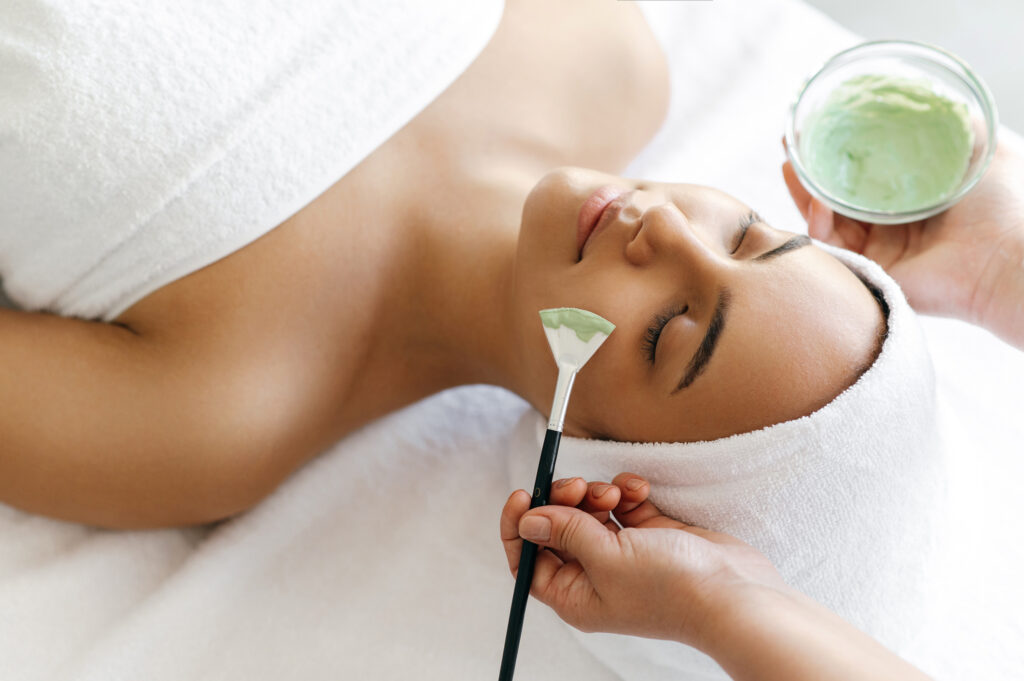
Anti-aging facials, including chemical peel treatments and laser skin resurfacing, range from classic cleansing and massage to advanced device-based technologies. Selection should match skin type, tolerance, and the goal of achieving a youthful appearance.
Exfoliation Methods
Physical exfoliants physically lift debris. Scrubs use fine particles. Overdoing it wipes out the barrier. Dermaplaning involves using a sterile blade to remove stratum corneum and vellus hair in a single pass. It is noninvasive and smooths texture while softening fine lines.
Chemical exfoliants dissolve bonds between cells. Alpha hydroxy acids, such as glycolic, lactic, and mandelic, attack dullness and fine lines. Beta hydroxy acids, like salicylic, infiltrate pores and assist with oil control. Enzyme peels, including papain and bromelain, provide gentle proteolysis for sensitive skin.
Gentle exfoliation fits sensitive or inflamed skin, with low-strength lactic or enzyme choices aiding clarity without sparking redness. For deeper exfoliation, which is useful for older, photo-damaged skin, higher-strength AHAs, layered peels, or microdermabrasion can all reduce roughness and uneven, mottled pigment with carefully controlled downtime.
Most skin can handle light at-home acids one to three times per week. In-office treatments range from every other week dermaplaning to monthly microdermabrasion. Discontinue retinoids two to five days before, moisturize generously, and apply at least SPF 30 daily sunscreen to minimize irritation after exfoliation.
- Microdermabrasion (crystal or diamond)
- Dermaplaning
- Enzyme peels (fruit-derived)
- CIT Nano Infusion (non-needle nano-channels)
- Light chemical peels (mandelic, lactic)
Technology-Infused
LED light therapy, microcurrent and radiofrequency form the nucleus of device-driven facials. LED employs specific wavelengths, red 630–660 nm for healing, near-infrared for deeper support, and blue for acne, to decrease inflammation and encourage repair.
Microcurrent introduces low-level electrical current to stimulate ATP production and sculpt facial muscles for a lifted appearance. Radiofrequency heats the dermis at approximately 40–45°C target tissue to contract collagen and trigger neocollagenesis with minimal surface damage.
In comparison to manual techniques, these reach deeper targets, resulting in more effective results in firmness and wrinkle depth reduction. Manual massage does enhance lymph flow and short-term glow, but does not remodel collagen as well.
For stubborn wrinkles and advanced signs, try fractional RF, radiofrequency microneedling, or combine RF with microcurrent. Laser skin rejuvenation provides more powerful correction of redness, pigmentation, and uneven tone when routine facials hit a plateau.
Nutrient Delivery
Serums, masks, and ampoules introduce actives post-exfoliation or energy treatments, when permeability is high. Antioxidants such as vitamin C and ferulic acid, signal and carrier peptides, niacinamide, and vitamins A and B5 help support barrier repair, tone, and collagen synthesis.
Customized blends match concerns: pigment needs vitamin C and azelaic acid. Fine lines benefit from peptides and retinoids. Dryness responds to ceramides and hyaluronic acid. Oxygen infusion can push actives across the surface, while facial cupping increases microcirculation. Both augment but do not supplant targeted devices.
Layer light to rich: antioxidant serum, peptide or growth-factor ampoule, humectant gel, then occlusive cream. After the facial, resume daily antioxidants and sunscreen.
Best techniques by concern:
Concern | Best options |
|---|---|
Wrinkles | Radiofrequency, microcurrent, fractional RF, CIT Nano Infusion |
Hydration | Hyaluronic masks, lactic peels, oxygen infusion, ceramide layering |
Pigmentation | Chemical peels (glycolic/mandelic), laser rejuvenation, vitamin C serums |
Traditional facials purify, moisturize and gently stimulate collagen production with minimal recovery. Deep wrinkles or volume loss are better addressed with injectables like Botox or fillers, which may have a short downtime.
Chemical peels from light to deep provide more aggressive resurfacing than standard facials, with graded downtime. Advanced add-ons like microdermabrasion, dermaplaning, enzyme peels, and facial cupping attack texture and tone, while lasers treat vascular and pigment unevenness more aggressively.
It depends on your skin type, what you tolerate, and the look you desire.
Professional vs. At-Home Care
Professional anti-aging facials, including specific skin concerns like deep wrinkles and advanced photoaging, utilize higher-strength actives and calibrated devices under the supervision of licensed estheticians. While at-home care supports daily consistency, it cannot replace facial rejuvenation procedures for optimal results.
Ingredient Potency
Clinical-strength ingredients used in-office drive faster, more visible change because concentrations and delivery systems surpass what over-the-counter products permit. Formulas frequently combine low-pH acids, stabilized antioxidants and encapsulated actives to drive penetration into specific layers.
Prescription retinoids, high-dose vitamin C with 15 to 20 percent L-ascorbic acid and ferulic acid, and advanced peptides like palmitoyl tripeptide-1/6 or copper peptides support collagen synthesis, reduce dyschromia, and smooth texture.
In facials, these are layered with barrier-supporting lipids and humectants to counter irritation while maintaining efficacy. Powerful actives can irritate if haphazardly abused at home.
Over-exfoliation, barrier damage, rebound redness, and hyperpigmentation in melanated skin can occur. Risk increases if users stack acids, retinoids, and vitamin C without spacing or buffering.
Seek professional guidance to phase in strong ingredients. Initiate at night only, use pea-sized retinoid dosing 2 to 3 nights per week, apply vitamin C in the morning, and limit acid exposure to tolerance. Incorporate daily ceramides and SPF 50 plus broad-spectrum.
Application Technique
Even coverage, right contact time, and sufficient product volume govern results more than most people realize. Facial massage, including lymphatic drainage, effleurage, and myofascial release, can increase microcirculation, de-puff, and enhance transdermal flux.
Short, firm upward strokes along the masseter and zygoma, and light pressure along lymph pathways in the neck assist in moving fluid and prepare skin for actives. Hand application is trusted for light serums and occlusive creams.
Device-assisted methods, such as ultrasound infusion, microcurrent, and low-level light therapy, contribute quantifiable increases in penetration and cellular signaling when applied with proper parameters. Home tools can assist, but pro devices manage energy, duty cycles, and safety limits with more precision.
Learn basic home technique: apply serums to slightly damp skin, wait 60 to 90 seconds between layers, press—not rub—vitamin C, and use gentle upward strokes. Skip massage on sore acne or active eczema.
Customization
Custom facials match actives, pH, and exposure time to skin type, age, and environment. This minimizes downtime and increases yield per run. Typical tracks are hydrating with hyaluronic acid, beta-glucan, and ceramides; anti-wrinkle with retinoids, peptides, and microcurrent; brightening with vitamin C, azelaic acid, and mandelic acid; and acne-centric with salicylic acid, blue light, and sulfur.
All can be paired with light microneedling or controlled chemical peels when necessary. Professional assessment guides what to use, how strong, and how often. Fitzpatrick type, oil flow, barrier status, and medication history all change the plan.
Check skin again every 8 to 12 weeks. Alternate in-office treatments with steady home care: morning antioxidant and SPF, night retinoid 2 to 5 times per week, and weekly gentle exfoliation. While DIY facials assist maintenance, they won’t fix deep folds or severe laxity.
Beyond the Treatment Room
Anti-aging facials shine when backed up by consistent home care and intelligent habits. Daily SPF, hydration, and the right skin care treatment maintain results, while scheduled facial rejuvenation procedures and realistic goals keep you on track.
Your Daily Regimen
At-home care should be simple, repeatable, and skin-safe. Outside the treatment room, cleanse with a gentle, pH-balanced cleanser morning and night to wash away sweat, oil, and pollutants without depleting the barrier.
Exfoliate one to three times per week depending on skin tolerance using chemical exfoliation like lactic acid or polyhydroxy acids for even cell turnover and less irritation than harsh scrubs. Drench yourself with a humectant-packed serum, glycerin or hyaluronic acid for example, then lock it in with a moisturizer suited to your climate and skin type.
Incorporate targeted serums to tackle tone change, lines, and firmness. Vitamin C (10–20%) in the morning supports antioxidant defense and increases brightening. Retinol or retinaldehyde at night encourages collagen renewal and smoother texture.
Build up gradually to minimize flaking and dryness. Protect with broad-spectrum sunscreen SPF 30 or higher every morning, reapplying every 2 to 3 hours outside. This is absolutely non-negotiable for maintaining in-office face results.
Checklist:
- AM: Cleanse, then apply Vitamin C serum, followed by hydrating moisturizer, and finish with SPF 30+.
- PM: Cleanse, Exfoliate one to three times a week, Retinol as tolerated, Moisturizer.
- Always: Eye cream if prone to periorbital lines. SPF lip balm.
Follow minor variations every month, such as oiliness, dryness, sensitivity, or dullness, and tweak products seasonally or post-travel.
Lifestyle Impact
Our diet, water intake, sleep and stress management all contribute to how our skin ages. Here’s what you should prioritize outside the treatment room: protein, omega-3 fats, and colorful plants for antioxidant support.
Minimize sun exposure with shade and clothing, and don’t smoke. Both cause collagen breakdown. Exercise increases good circulation and the delivery of nutrients to the skin. Moderate intensity exercise is effective for most adults.
If you have injectables as part of a non-surgical approach to smoothing wrinkles and adding volume, downtime should be minimal. Some mild redness or swelling at injection sites may occur and often settles within hours.
Avoid hard exercise or alcohol for 24 hours post-injections to assist in minimizing side effects and maintaining even results.
Long-Term Strategy
Think in series, not single shots. A facial every 4 to 6 weeks provides those cumulative benefits as the cell turnover cycles and collagen remodeling pile on. One facial is not going to reverse years of sun damage, so establish achievable goals and then reevaluate.
Pair in-office care — facials, microneedling, PRF, or light — with daily home regimens to help barrier repair and dermal support. Multiple treatments, not just a one-time ‘zap’ session, are usually best for texture, tone, and fine lines.
This holistic approach supports the skin’s inherent processes and prevents the dreaded ‘over-treated look’ so many people experience.
Is It Right for You?
Begin with a snapshot of your skin type, age, and top concerns related to aging facial treatments. Fine lines, uneven tone, sun spots, or laxity indicate the need for active care. Dryness, dullness, and rough texture also require attention. Review your routine and note gaps: missing sunscreen (broad-spectrum SPF 30+), no retinoid, or infrequent exfoliation. Set objectives in layman terms—softer feel in 12 weeks, lighter blotches, balanced moisture.
If your skin is normal and not problematic, a facial rejuvenation procedure may not significantly benefit you. Daily sunscreen and a basic regimen will usually serve you well. Fitz IV and above need extra caution, as some devices and chemical peels increase their risk of hyperpigmentation.
Some even doubt assertions such as lymphatic “detox” and caution that facials can be damaging if performed sloppily. Every 3 to 4 months, targeted facials help some but are not necessary for healthy skin. Sun exposure remains the biggest aging changer.
Protection is more important than any individual treatment or procedure. Prioritizing excellent skin care is essential for maintaining a youthful appearance.
Skin Assessment
Conduct a run check. Gauge hydration by how soon skin ‘bounces back’ post-pinch and if fine lines relax after a neutral moisturizer. Check for elasticity on the cheeks and jaw. Mark as sensitive if it stings to gentle products.
Record visible signs: dynamic wrinkles at the crow’s feet, static lines at rest on the forehead, size and density of age spots, pore size on the nose and rough patches on the temples.
Screen it first. Active acne, rosacea flares, eczema or recent sunburn alter what is safe. Darker skin tones require conservative energy device settings and cautious peel strengths to circumvent post-inflammatory hyperpigmentation.
Progress Chart (copy and use):
- Date | Hydration (low/med/high) | Redness (0 to 3) | Breakouts (0 to 3)
- Texture (smooth/rough) | Spots count | SPF daily? (Y/N)
- Notes: products used, sun hours, new reactions
Potential Risks
Anticipate some immediate redness, slight irritation or dryness following exfoliation, peels, or microderm. These typically clear within 24 to 72 hours.
Allergic or irritant reactions can arise from fragrance, essential oils or acids, particularly on sensitive skin. Patch tests do assist. For darker skin, the risk of hyperpigmentation increases with heat, friction and aggressive peels.
Follow aftercare: gentle cleanser, fragrance-free moisturizer, zero picking, and strict SPF 30+ daily. Skip saunas and hard workouts for 24 hours to minimize inflammation.
Know contraindications: active cystic acne, open wounds, recent surgery, isotretinoin in the past 6 months, pregnancy for certain actives, or recent sunburn. Lymphatic drainage is a contentious claim and its benefits for fluid reduction are not consistent.
Setting Expectations
Results accumulate over weeks. Surface glow can show in days, but collagen shifts require eight to twelve weeks and multiple sessions. Spots and tone even out over time.
A facial will help fade hyperpigmentation, but sunscreen determines if they stick around. Plan timelines: hydration in days, fine lines in one to three months, pigmentation in two to four months with sun care.
Maintenance beats intensity. Quarterly visits help some; others do fine with good home care. Clarify your budget, downtime, and priorities with your clinician. Match technique to skin type and tone to minimize risk and achieve objectives.
Conclusion
To age defying facials, nothing beats clear objectives, consistent attention and savvy selections. Skin enjoys uncomplicated regimens tailored to your lifestyle. For fine lines, opt for microneedling or light peels. For dull tone, choose hydrating facials with HA and gentle enzymes. For sun spots, use lasers or light peels with SPF 50+. Pair that with retinol at night and vitamin C in the morning. Space professional visits every 4 to 8 weeks. Monitor change with photos and notes. Apply SPF on a daily basis. Drink water. Get good sleep. Little habits stack.
Need a custom plan that fits your skin and your life. Schedule a consultation at Physician Aesthetic Institute in Bonita Springs. Come with your objectives! We chart the steps, select the tools, and direct you to actual and sustainable results.
Frequently Asked Questions
How do anti-aging facials work?
They address the skin’s barrier, collagen, and cell turnover through various facial treatments. By utilizing exfoliation, peptides, and antioxidants, along with devices like LED light therapy, the objective is to achieve a smoother texture, improved firmness, and a brighter tone with minimal irritation.
What results can I expect and how soon?
You can notice glow and smoother skin immediately with targeted facials. For a firmer feel and diminished fine wrinkles, it can take four to six weeks. It is best when combined with a series of facial rejuvenation procedures and daily sunscreen, along with gentle, active skin care.
Which facial technique is best for aging skin?
It varies based on your skin and objectives. Chemical peels can also serve as an effective facial treatment to even out skin tone. Microcurrent firms the skin, while microneedling increases collagen for youthful appearance. LED light therapy soothes and encourages healing, making it a popular treatment option. A licensed esthetician can customize a combined plan for safe and effective results.
Are professional facials better than at-home care?
Professional facials, a key part of facial rejuvenation procedures, penetrate deeper and employ higher-strength actives and devices safely. At-home skin care treatment keeps results going with sunscreen, retinoids, vitamin C, and moisturizers for a youthful appearance.
How often should I get an anti-aging facial?
Most people undergo a series of facial rejuvenation treatments every 4 weeks for 3 to 6 sessions, then maintain their youthful appearance with sessions every 6 to 8 weeks. Sensitive skin may require longer intervals, so it’s essential to adhere to your provider’s recommendations and make seasonal and lifestyle adjustments.
Are anti-aging facials safe for sensitive or darker skin tones?
Yes, if you do it right. Opt for mild acids and barrier-friendly substances in your skin care treatment. For deeper tones, steer clear of aggressive chemical peels and heat-heavy laser treatments. Collaborate with experienced skin care professionals to lower your risk of irritation or hyperpigmentation.
What should I do after a facial to keep results?
To maintain a youthful appearance, apply a broad-spectrum SPF 50 daily and hydrate well. For optimal results in your skin care treatment, stop potent actives for 48 to 72 hours unless otherwise recommended, and avoid heat and intense exercise for 24 hours.