

Microneedling has quickly become one of the most trusted treatments for improving skin texture, minimizing fine lines, and boosting natural collagen production—but consistency is where the real transformation happens. At Physician Aesthetic Institute, we’ve seen how clients who commit to regular microneedling sessions experience noticeably smoother, firmer, and more radiant skin over time. This isn’t just a one-and-done treatment; it’s a long-term investment in your skin’s health and vitality. In this post, I’ll walk you through the key benefits of maintaining a consistent microneedling routine, how often you should schedule treatments, and what kind of results you can expect. If you’re ready to unlock your best skin yet, this guide will show you why regular microneedling is one of the smartest moves you can make for lasting rejuvenation.
- Key Takeaways
- What is Microneedling?
- The Microneedling Experience
- Benefits of Regular Sessions
- Professional vs. At-Home
- Is Microneedling For You?
- A Deeper Perspective
- Conclusion
- Frequently Asked Questions
Key Takeaways
- Microneedling causes controlled microinjuries which induce percutaneous collagen stimulation and elastin production, enhancing texture, tone, and regeneration of firmness over weeks. It creates microchannels that improve transdermal delivery of active serums for boosted impacts.
- A professional treatment utilizes sterile, disposable needles of various lengths, which can be adjusted based on skin type and treatment area. The treatment lasts approximately 30 to 60 minutes and has minimal downtime. Anticipate redness and swelling that subside within 24 to 72 hours.
- Most people report a mild prickling or heat sensation from the topical anesthetic, and post-treatment sensitivity is common but subsides quickly. Photographs help you track results objectively, including pore refinement, scar reduction, and smoothness.
- Results are cumulative and need to be done in series for lasting collagen remodeling and elasticity wins. Schedule maintenance sessions and combine them with daily sunscreen, gentle skincare, and proven actives to extend results.
- Professional care beats at-home rollers in safety, depth precision, and consistency, lowering risks like infection or pigment shifts. Consult a dermatologist if you have active acne, a keloid history, or chronic skin conditions for appropriate protocols.
- Get ready by steering clear of the sun, exfoliants and blood thinners prior to your appointment, and arrive with a bare face on the day. Then, avoid makeup and products for 24 hours, use hydrating, fragrance-free care, protect with broad-spectrum SPF 50 and follow up to customize your plan.
More technically called ‘microneedling,’ it’s a low-impact skin treatment that utilizes fine needles to induce controlled micro-trauma, activating collagen and elastin production.
Applied to the face, neck, and scalp, it minimizes wrinkles, acne scarring, pores, and hyperpigmentation.
Devices include everything from manual rollers to motorized pens with depth control of 0.25 to 2.5 mm.
It builds results over three to six sessions, spaced four to six weeks apart. Pairing with PRF or topical actives can enhance results.
The passages below discuss protocols and safety.
What is Microneedling?
Microneedling is a minimally invasive procedure that utilizes arrays of small, sterile needles to induce controlled micro-injuries in the skin. These microchannels stimulate a wound repair reaction that increases collagen and elastin, which softens lines, refines pores, and smooths texture.
It’s utilized throughout contemporary dermatology for acne scars, hyperpigmentation, fine lines and enlarged pores and can even aid hair growth in certain types of alopecia when done on the scalp. Devices range from manual dermarollers to automated pens with motorized needles reaching depths of up to 2.5 mm.
1. The Science
Microneedling is percutaneous collagen induction therapy. Precise needle passes disrupt the epidermis and superficial to mid-dermis to trigger hemostasis, inflammation, proliferation, and remodeling.
Fibroblasts increase the production of type I and III collagen and elastic fibers, and matrix metalloproteinases assist in reorganizing scar tissue. The temporary microchannels also increase skin permeability, enhancing transdermal delivery of targeted topicals, such as vitamin C serums, growth factors, exosomes, and prescription actives, when applied immediately following passes.
These topicals are able to boost absorption prior to the channels sealing. The wound cascade lays new extracellular matrix down over weeks, thickening the dermis and restoring biomechanical properties like elasticity and firmness.
Clinically, patients experience improved texture, even tone, and diminished atrophic acne scars, often comparable to light fractional lasers with less risk of pigment in darker skin types. Results are cumulative over sessions, with quantifiable improvements in roughness indices, scar grading scales, and pore size when guidelines are followed.
2. The Process
Skin is cleansed, photographed, and degreased. A topical anesthetic is applied for 20 to 40 minutes, then removed prior to treatment. Serum selection and treatment mapping are determined by objectives.
Sterile, single-use needle cartridges or a sanitized dermaroller are utilized. Automated pens offer even speed and depth for both consistency and safety. Needle depths are tailored by area: 0.25 to 0.5 mm for glow or pigment, 0.5 to 1.0 mm for fine lines, 1.0 to 2.0 mm for acne scars or thicker skin, and up to 2.5 mm in select non-facial sites.
Sensitive zones such as periorbital skin use shallower settings. Sessions last 30 to 60 minutes with little downtime. Redness and mild edema are common and subside within 24 to 72 hours.
3. The Sensation
Most experience a mild sting or scratch with heat in denser regions. Bony areas might be a bit more painful. Topical numbing reduces discomfort and allows even, methodical passes.
Then, anticipate a few days of redness, swelling, and tightness that subside. Minor pinpoint bleeding can manifest with deeper settings. Most patients have no problem tolerating it and feel settled within minutes after the device halts.
4. The Results
Over three to six sessions, skin appears smoother with velvety softened acne scars and tightened, refined pores. Fine lines soften and tone evens, especially in combination with antioxidants or pigmentation protocols.
Glow comes in days, firmness grows gradually as collagen matures over six to twelve weeks. Results may persist for months to years, influenced by age, lifestyle, and depth.
Microneedling pairs well with PRP or PRF to enhance repair, while preliminary data indicates it might help support hair growth in cases of alopecia. Monitor results with consistent photos under the same lighting and angles.
The Microneedling Experience
Microneedling at Physician Aesthetic Institute follows a clear path: assessment, precise treatment, and structured aftercare. Plans are built around your skin type, goals, and schedule, with safety and sterile technique at every step. Treatments, including professional microneedling, are performed by trained medical professionals using medical-grade devices and controlled needle depths to support skin rejuvenation and protect skin health.
Before Treatment
- Come in with clean, makeup-free skin. Skip heavy creams, oils, and SPF the morning of treatment.
- Stay out of direct sun and tanning for 7 to 10 days and apply broad-spectrum SPF 50 plus if outside.
- Discontinue blood thinners, high-dose fish oil, NSAIDs and alcohol 48 to 72 hours before, if cleared by your prescribing clinician.
- Discontinue retinoids, exfoliants, and acids for 3 to 5 days. Hold waxing or laser on the area for 1 to 2 weeks.
- Drink plenty of water, have a healthy lunch, and schedule some downtime in case the redness sticks around for a couple of days.
- Let them know if you have any active acne, eczema, cold sores, keloid history, or allergies with pregnancy, nursing, or recent procedures.
- Come armed with a current medication and skincare list to match actives to your plan.
During Treatment
A topical anesthetic cream lingers for around 20 to 30 minutes to ease stinging and pressure. Most patients experience tolerable discomfort, which feels like a light scratch or vibration, even in thinner areas such as the forehead.
We employ professional pen systems with adjustable needle depths, typically ranging from 0.25 to 2.0 mm depending on the area and indication. Cheeks and acne scarring receive deeper passes, while under-eye and forehead areas stay shallower for safety. Consistent speed and overlap, along with cross-hatching, create even coverage and uniform microchannels.
Method counts. The microneedling experience: The practitioner zones, pressure and pass count adapt to real time erythema. Serum pairing, like hyaluronic acid or growth-factor-rich solutions, facilitates gliding and targeted effects.
A sterile field is maintained from start to finish. Single-use needle cartridges, disinfected surfaces, gloves, and strict device hygiene are used. Photos and settings are recorded to inform future treatments and monitor results.
After Treatment
- Anticipate redness immediately. It may persist for hours to days.
- Mild edema (swelling) is common and eases within days.
- Avoid makeup, harsh soaps, scrubs, and exfoliants for a minimum of 24 hours.
- Use a gentle cleanser and bland moisturizer, with no active acids and retinoids for three to seven days.
- No sun, hot yoga, steam or swimming for 48 to 72 hours. Use SPF 50+ mineral once skin permits.
On Day 2, redness mostly fades. Minute digital impressions can manifest over treated dermis. By Day 3, many can use tinted moisturizer or bronzer. By Day 5, dots may appear a little darker but will cover well with make-up.
On Day 7, skin is near fully healed with mild discoloration only. Side effects are minimal and subside within days. Schedule sessions in advance of events.
Book a series of typically three to six treatments, spaced four to six weeks apart, and maintenance sessions for continued enhancement.
Benefits of Regular Sessions
Microneedling therapy is most effective as a consistent regimen, not a one-time quick fix. With collagen production and dermal remodeling taking place over months, regular microneedling sessions create gains that last and look natural.
Cumulative Effects
Every session generates some contained micro-injury that initiates neocollagenesis and elastin synthesis. Clinical studies show results in weeks and many patients experience a softer feel within days of that initial pass. Fine lines soften as dermal density increases, while acne scars lift as tethered tissue releases and new matrix fills in.
They stack with repetition. Texture continues to get better when sessions repeat every 4 to 6 weeks, as the repair cycle needs time to finish prior to the next stimulus. This cadence keeps fibroblasts humming without overwhelming the barrier, which is crucial for durable transformation as opposed to ephemeral spikes.
Hyperpigmentation and sun spots fade as epidermal turnover picks up and pigment redistributes. Nanoneedling can assist tone by producing smaller, more controlled channels that aid even delivery of brighteners.
Monitor progress with standardized photos, a basic scar scale, or pigment index every 8-12 weeks. This makes small improvements visible and provides direction for depth, pass count, and device selection.
Long-Term Health
Regular microneedling therapy encourages organized cell turnover and balanced keratinocyte signaling, allowing skin to shed on time and regenerate effectively. With professional microneedling sessions, the skin barrier further seals through improved lipid structuring and a more compact stratum corneum, helping the skin withstand everyday irritants with reduced sensitivity.
In the long term, repeated collagen production boosts a defense against the sagging and crevicing that age and photoexposure induce. Research indicates that results may persist for months to years based on skin type, the condition being treated, and needle length, particularly when combined with consistent at-home skin care products and sun protection.
It fits well into a broader plan that includes nutrient skincare, sunscreen, healthy sleep, and, when needed, modalities like PRF, low-energy laser, or gentle peels. The aim is consistent skin support rather than hard swings.
Maintenance Plan
Establish a beginning phase at one session every four to six weeks for three to six visits, then transition to maintenance every six to twelve months. Scarred or thicker skin can benefit from deeper passes early, with gradual taper once scars soften.
Couple treatments with a mild cleanser, neutral moisturizer, and everyday broad-spectrum SPF 50. Forego acids, retinoids, and intense exercise for 48 to 72 hours, and avoid sun for a few days. Anticipate mild redness or puffiness like a light sunburn that calms fast.
Recheck skin every 3 to 6 months to tweak depth, interval or to add nanoneedling for tone work. Consistency with timely sessions, smart home care and sunscreen seals the deal.
Professional vs. At-Home

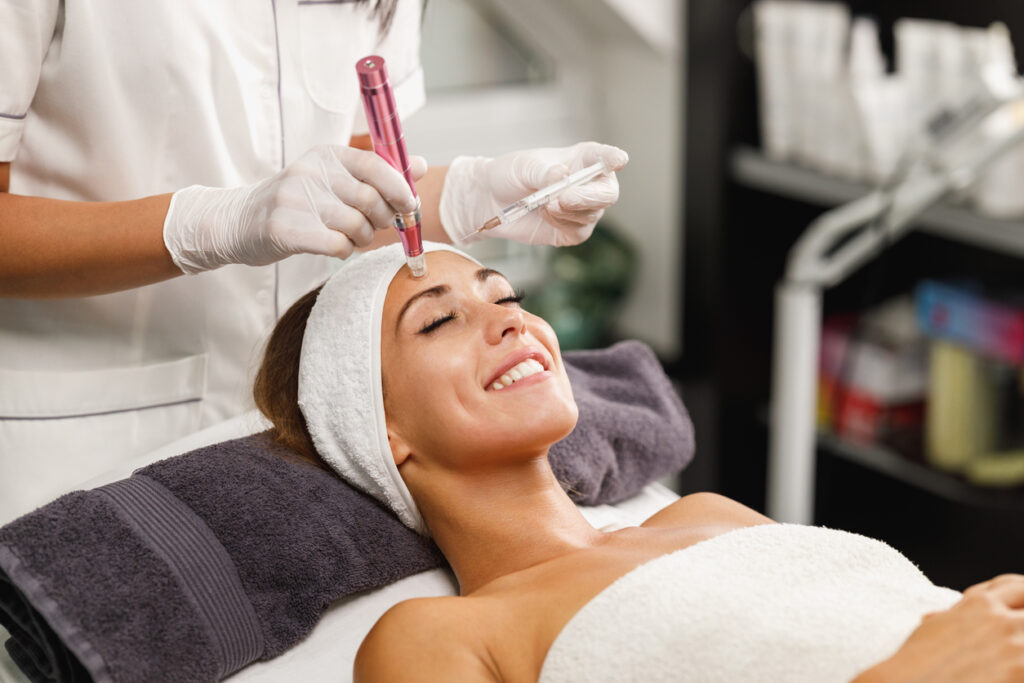
Both radiofrequency microneedling and microdermabrasion introduce micro-injuries in a controlled fashion to induce collagen, but they vary in depth, uniformity, risk, and supervision, making them effective skin rejuvenation options.
Factor | Professional Microneedling | At-Home Microneedling |
|---|---|---|
Effectiveness | Deeper penetration, uniform channels, stronger collagen remodeling | Superficial channels, subtle or uneven changes |
Safety | Medical-grade sterility, protocols, trained response to events | Variable hygiene; higher contamination and infection risk |
Guidance | Assessment, plan, and technique by licensed clinician | Self-directed; limited screening or corrective steps |
Device Differences
Medical devices utilize motorized pens with sterile, single-use cartridges and adjustable needle depths that typically range from 0.5 to 2.5 mm. This accuracy minimizes tear danger and enables focused strokes on scars, pores, or fine lines.
Home rollers or pens generally employ fixed or shallow depths and can depend on manual pressure. Needles dull fast, bend, or drag, which increases irritation and micro-tear risk. Quality and sterility vary widely by brand.
The skin is treated via clinical systems reaching the papillary to superficial reticular dermis for acne scars, laxity, and melasma protocols. It’s at that depth that collagen I and III remodeling is more likely to occur.
DIY tools primarily impact the stratum corneum and upper epidermis. They might assist with texture and product absorption but have contamination hazards unless cleaned and stored with medical rigor.
Safety Protocols
Clinics adhere to aseptic technique, hand hygiene, barrier protection, and single-use needles. Equipment is sterilized according to manufacturer instructions, and rooms are medically sanitized.
Screening excludes pregnancy, isotretinoin use, active acne or herpes, keloid history, and poor wound healing, uncontrolled eczema, or psoriasis. This step minimizes flares, post-inflammatory hyperpigmentation, and scarring.
Topical anesthetic, calibrated passes, and post-care (non-occlusive hydration, SPF 50+, antimicrobial cleansers) reduce complications. Specific guidelines tackle redness timelines, makeup postponement, and exercise or sauna abstinence.
Experienced clinicians can identify vasovagal episodes, HSV flare, or aberrant bleeding and address them immediately. That preparedness keeps complication rates down.
Result Expectations
Expect gradual change with pro care: brightness in 1 to 2 weeks, texture and pore refinement in 4 to 8 weeks, and scar softening across 3 to 6 months. A few demonstrate long-lasting improvements after a single sitting. Most require 3 to 4 spaced sessions.
At-home work can increase active ingredient absorption by as much as 90%, aiding serums. Results tend to be mild or sporadic. Swelling is typical and generally subsides within 24 hours, with redness dissipating within a couple of hours.
Sessions with a professional tend to provide more dramatic results than weeks of use at home without professional guidance. They cost about $200 to $600 a session, compared to $50 to $150 for kits, which must be used again and again for months.
There’s not much downtime with home microneedling, but it’s not suitable for all complexions. Infection risk is the primary concern. Consult a medical aesthetician or dermatologist first.
Is Microneedling For You?
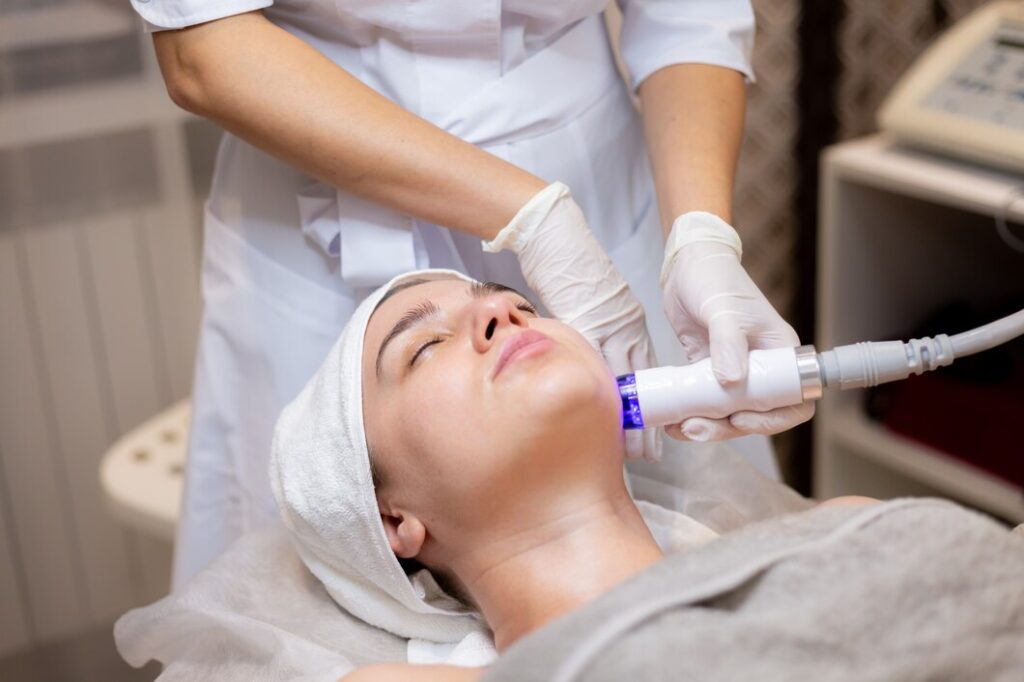
Not just microneedling for acne scars, microneedling is a versatile player that tackles scars, fine lines, pores, tone, and texture across most skin types and concerns without surgery. If your objectives are to soften acne scars, smooth wrinkles, or refine rough texture, it can provide a calculated, noninvasive option in place of lasers or peels with extended downtime.
It’s a staple in aesthetic medicine, backed by increasing evidence demonstrating safety and efficacy, with potentially months to years of long-lasting results depending on skin, indication, and depth of treatment.
Ideal Candidates
Best suited for men and women with mild to moderate concerns: acne scars, early lines, enlarged pores, crepey skin, or stretch marks. It’s for those who prefer to make slow and natural appearing changes instead of sudden changes.
Downtime is short; redness and tightness typically subside within 24 to 72 hours. Not recommended for active acne flares, uncontrolled rosacea, severe eczema or psoriasis plaques on the face, open wounds or active skin infection. Those on isotretinoin, with bleeding disorders, or pregnant should postpone or refrain.
Versatile on skin tones I-VI and ages from early 30s into the 60s. For darker skin, it bypasses heat energy and can be less risky for pigment problems than many lasers. If work or travel compromises downtime, the speedy healing process is enticing.
Three to five sessions spaced every 2 to 4 weeks usually establish noticeable improvements.
Skin Considerations
Examine baseline type, such as dry, oily, or combination, sensitivity, and any propensity towards keloids or hypertrophic scarring. History counts; previous post-inflammatory hyperpigmentation directs needle spacing and depth.
Darker skin tones often come out winners because microneedling is mechanical, not heat-based, reducing the risk of hyperpigmentation versus many lasers. Additional control of parameters, such as depth ranging from 0.5 to 2.5 mm, passes, and speed, minimizes risk even more.
If you have chronic dermatitis, allergies, or frequent cold sores, book a consult or patch test. Those with oral herpes can get a one-week oral antiviral. A bespoke plan adjusts needle depth by zone: 2 to 3 millimeters for body stretch marks, 1.0 to 1.5 millimeters for acne scars, and 0.5 to 1.0 millimeters around thin periorbital skin.
Professional devices penetrate the dermis, which is approximately 2 to 3 millimeters, where collagen and elastin remodeling takes place. Home rollers are superficial, around 0.25 millimeters, affecting the stratum corneum and epidermis, and are less effective.
Potential Risks
- Temporary erythema, swelling, pinpoint bleeding, dryness, or flaking
- Short-lived sensitivity or itching; rare acne flare
- Infection, prolonged erythema, or pigmentation change is rare and occurs more frequently when unguided.
- Exacerbation of eczema/psoriasis if treated during a flare
- Uncommon scarring in patients prone to keloids
Many effects are immediate and dissipate within hours to a few days. Results can begin to appear within a few weeks, with clinical evidence indicating significant improvements after multiple treatments.
Aftercare matters: gentle cleanser, bland moisturizer, strict sun avoidance for 48 to 72 hours, and no acids or retinoids for several days. Expert supervision, aseptic process, and custom depth minimize risks and maximize longevity, which can last for months to years.
A Deeper Perspective
Microneedling occupies the center of contemporary skin care because it is targeted, customizable, and based in biology. It generates regulated micro-injury without damaging the epidermis, stimulating collagen induction and tissue remodeling that can persist for months to years.
As a simple, minimally invasive technique for superficial, regulated puncture with fine needles, it dilates the follicular infundibulum by approximately 47%, which aids topicals in getting past the barrier. On a cellular level, needle proximity moves resting membrane potentials from approximately minus 70 mV toward minus 100 mV, stimulating activity and inducing the release of proteins, potassium, and growth factors.
Treatment Synergy
Adjunctive Therapy | Primary Target | How It Pairs With Microneedling | Notable Benefit |
|---|---|---|---|
PRF/PRP | Texture, laxity | Needling drives platelet factors deeper | Faster recovery, stronger collagen |
Tranexamic acid | Pigmentation | Enhanced transdermal uptake via widened infundibulum | Reduced melasma rebound |
Retinoids/Vitamin C | Photoaging | Staged application post-erythema | Brightening, collagen support |
Exosomes/Peptides | Repair signaling | Applied immediately after treatment | Calmer downtime, improved tone |
Radiofrequency needling | Laxity, deep scars | Heat plus depth control | Tighter dermis, fewer sessions |
Fractional laser | Texture, scars | Alternate with needling between visits | Synergistic remodeling |
Adjuncts allow us to strike particular issues. Deep acne and traumatic scars respond well to radiofrequency needling at a depth of 1.5 to 2.0 mm, where the depth of neocollagenesis with a 1.5 mm needle is approximately 500 to 600 µm.
Rolling scars can get a subcision first, then microneedling with PRF to lock in improvements. Alternate schedules work for complicated cases. For instance, in month 1, microneedling with peptides occurs, in month 2, a light fractional pass is done, and in month 3, a chemical peel for pigment is performed, then the process is repeated.
Construct a multi-modal regimen for stubborn laxity, hybrid scars, or melasma, modifying gaps for erythema and edema that typically resolve in 2 to 3 days.
Future Innovations
Next-gen devices will polish torque control, needle geometry, and depth sensing, which ought to reduce variance and enhance comfort, particularly on thin regions such as periorbital skin.
Nanoneedling and sealed transdermal systems will broaden drug delivery. With a 47% wider follicular opening and transient channels, pigment control, photoaging, or even local antibiotics should infiltrate more reliably.
Protocols will trend toward personalization. Genetic markers, barrier metrics, and imaging might guide needle depth, pass count, and topical selection to synchronize with healing rates and melanocyte behavior in different skin types.
Anticipate broader clinical responsibilities. Rogenetic alopecia (minoxidil, PRP), scar revision (acne, varicella, post-traumatic) and adjuvant care for dyschromia are already on board.
The treatment is well tolerated, with the majority of patients experiencing consistent collagen increases and results that last when paired with upkeep and sun protection.
Conclusion
Microneedling deserves its spot for authentic skin increases. Small needles induce an uncontaminated wound-heal reaction. Your collagen increases. Tone appears more even. Pores appear more tightened. Scars smooth. Fine lines appear less severe. Results accumulate with consistent maintenance.
Clinic care shifts the paradigm. Medical-grade depth strikes the perfect layer. With appropriate preparation, numbing and after treatment care, the risk of cuts decreases. Combine with PRF for additional regeneration. Add light peels or laser for texture and tone. Establish goals. Track photos. Space visits out at 4 to 6 weeks. Apply zinc, vitamin C, and broad spectrum SPF 50. Avoid strong actives for a brief period.
Let’s map a plan that fits your skin and your pace. Schedule a consult at Physician Aesthetic Institute. Let’s construct results that are unmistakably you, just rejuvenated.
Frequently Asked Questions
How does microneedling work?
Microneedling, a fantastic skin treatment, employs small sterile microneedles to create micro-injuries in the skin, activating natural healing and stimulating collagen production for smoother, firmer, and more even skin.
What skin concerns can microneedling help?
This fantastic skin treatment helps with fine lines, acne scars, uneven skin tone, and mild pigmentation while increasing product absorption. Results vary based on skin type and severity, necessitating a professional microneedling consultation to guide expectations.
How many sessions will I need?
Generally, most people require three to six microneedling sessions, spaced four to six weeks apart. Deeper scars may necessitate additional treatments. Maintenance microneedling sessions every three to six months assist with continued skin rejuvenation results, tailored to your objectives and skin reaction.
Is microneedling painful?
There is typically minimal discomfort with topical anesthesia during radiofrequency microneedling. You might experience a squeezing or tingling sensation, and skin may feel tight or sensitive for 24 to 48 hours post treatment.
What is the downtime after a session?
You can anticipate redness for one to three days, akin to a mild sunburn, following your microneedling sessions. There will be some light flaking. Avoid makeup for 24 hours, sun exposure for a few days, and refrain from active skincare, such as retinoids or acids, until healed. Apply a mild cleanser and SPF 30 or higher.
Is at-home microneedling effective?
At-home rollers aren’t as powerful and risk misuse or infection; however, professional microneedling devices control depth, hygiene, and results for effective skin rejuvenation and safety.
Who should avoid microneedling?
Avoid using this treatment if you’re pregnant or have active acne vulgaris, eczema, psoriasis, keloids, poor wound healing, or are on isotretinoin; consult a dermatologist for a tailored skin care routine.