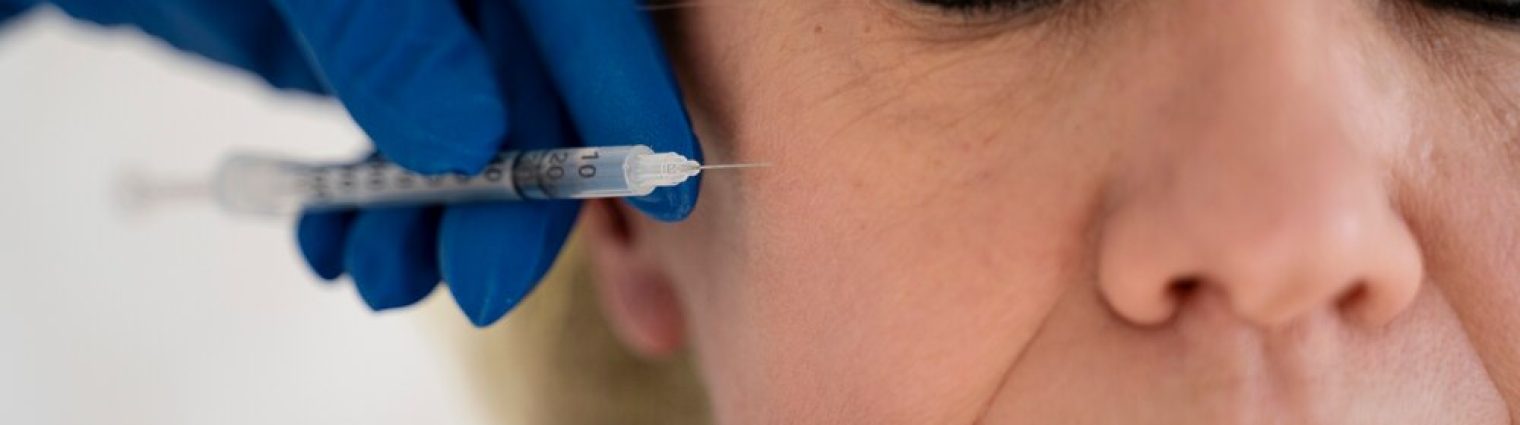
Fine lines and wrinkles don’t have to define how you look or how you feel. At Physician Aesthetic Institute, Botox injections are one of our most trusted treatments for softening expression lines and restoring a refreshed, natural appearance. When performed by experienced medical professionals, Botox delivers consistent, subtle results without sacrificing facial expression. In this post, I’ll explain how Botox works, what expert treatment really means, and how our approach helps patients achieve smooth, confident results they can feel good about.
Key Takeaways
- Botox injections temporarily relax targeted muscles to smooth dynamic wrinkles and can relieve medical concerns such as chronic migraines and excessive sweating. It’s minimally invasive and fast to administer with little downtime.
- Botox functions by inhibiting acetylcholine release at the neuromuscular junction, resulting in targeted muscle relaxation with limited systemic exposure. There is clinical evidence that it is safe and effective in the hands of trained practitioners.
- You may notice some mild, short-lived discomfort during treatment and usual post-injection effects such as redness or swelling that usually dissipate within hours. Results show within three to seven days and peak at two weeks, with an average duration of three to four months.
- Plan maintenance sessions every 3 to 4 months to maintain results and include preventative treatments in your late 20s or early 30s to slow wrinkle formation. Add botox to daily broad-spectrum sunscreen, antioxidant serums, and gentle skincare for extra longevity.
- Select an experienced injector who knows about facial anatomy, customized dosing to your goals, and uses approved products. Review qualifications and before and after outcomes. Inquire about other options like dermal fillers, new neurotoxins, lasers, or peels and combination approaches for full blown rejuvenation.
- Adhere to aftercare by not doing vigorous exercise, laying down, or rubbing treated areas for a few hours. Book follow-ups to evaluate results and tweak dosing. Get emergency medical help right away if you experience rare but serious symptoms like trouble breathing or swallowing or severe allergic reactions.
Botox injections are a doctor-administered treatment that relaxes specific facial muscles to ease existing dynamic lines and inhibit the formation of new wrinkles. Clinically used for over 20 years, on-label locations include glabella, crow’s feet and forehead lines, with dosing measured in units according to muscle strength and skin thickness. Results begin in 3 to 5 days, peak at day 14 and last approximately 3 to 4 months. Treatment plans consider facial balance, brow position and animation to maintain a natural, rested appearance. Safety is a matter of sterile technique, careful mapping of injection points and accurate dilution. As an internist in Bonita Springs, I educate patients on timing, unit ranges, and maintenance to help ensure results that fit their long-term skin goals.
How Botox Injections Work
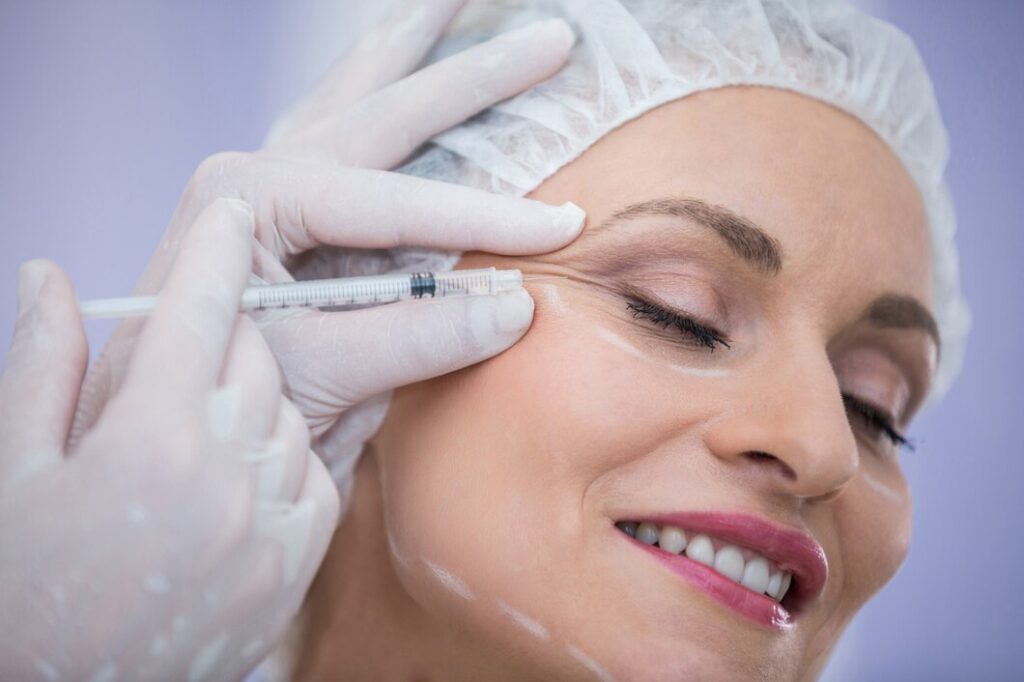
Botox employs purified botulinum toxins to block nerve signals that cause muscle spasms, effectively treating conditions like chronic migraine and excessive sweating. This cosmetic treatment relaxes target muscles, softening dynamic lines formed by repeated expressions. The procedure is minimally invasive, fast to perform, and has minimal downtime, making it a popular choice for many.
1. The Science
Botulinum toxin type A derived from Clostridium botulinum, a rod-shaped soil bacterium, binds presynaptic cholinergic terminals and prevents acetylcholine release at the neuromuscular junction. With less acetylcholine, the muscle fiber cannot contract as forcefully, so the skin above it creases less and appears smoother over time.
In aesthetic care, we inject precise units into muscles that form glabellar frown lines, crow’s feet, and forehead lines or into hyperactive platysma bands. In neurology, injections target spastic muscles to reduce abnormal tone. Effects remain localized when dosed and placed correctly, limiting systemic exposure.
Large controlled trials support efficacy and a consistent safety profile across approved indications, including glabellar lines, lateral canthal lines, cervical dystonia, axillary hyperhidrosis, and chronic migraine.
2. The Applications
Popular aesthetic treatment goals are smoothing out horizontal forehead lines, usually 10 to 20 units, frown lines, 10 to 25 units, and crow’s feet, 6 to 12 per side. Results look natural where dose meets muscle strength.
Medical uses include chronic migraine prophylaxis with mapped injections across the scalp and neck, focal spasticity management after a stroke, and axillary hyperhidrosis by inhibiting cholinergic input to sweat glands.
Expert off-label treatment can contour a heavy jaw through masseter reduction, minimize a gummy smile by softening lip elevators, and calm vertical neck bands.
Plans are tailored. Dose ranges from 5 to 25 units per site are adjusted for anatomy, goals, and prior response.
3. The Sensation
The majority report a fast, pinching sensation of mild pressure and very fine needles.
A topical anesthetic or quick ice can blunt sting at puncture sites. Sessions are quick, around 10 to 20 minutes for most faces. A little redness, a little bit of swelling, and little bumps go away within hours.
4. The Timeline
Initial changes from botulinum toxin injections manifest in 3 to 7 days, with full effect by two weeks. This treatment typically lasts 3 to 4 months, but may be closer to three for those with a quick metabolism or certain interacting medications like ciprofloxacin. Regular injection sessions help maintain soft lines, and successive botox shots can provide longer, more stable results.
5. The Alternatives
Fillers add volume, while newer neurotoxins like Daxxify, Dysport, and Xeomin differ in onset, diffusion, and longevity. Many patients combine botox injections with fillers or energy devices for a well-rounded rejuvenation, as Botox shots can also address muscle spasms and offer a treatment option for conditions like migraine attacks, enhancing overall health and appearance.
The Botox Benefits
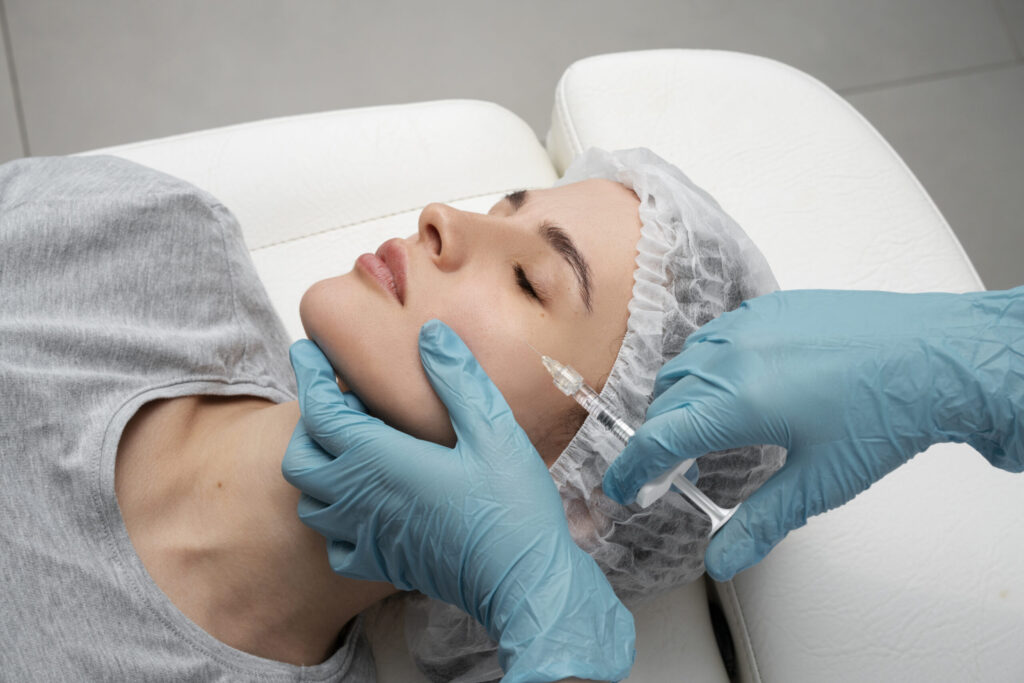
Botox offers cosmetic and medical relief, utilizing botulinum toxin injections to achieve smoother skin and alleviate migraine symptoms with minimal downtime.
Cosmetic Perks
Botox reduces the appearance of dynamic lines by relaxing the targeted facial muscles that crease the skin every time you make an expression. Commonly used botulinum toxin injections, such as botox shots, effectively soften forehead lines, frown lines between the brows, crow’s feet, and fine lip lines within 1 to 3 days, with optimal results appearing in about 2 weeks. Effects can frequently subside after 3 to 4 months, with consistent upkeep maintaining the improvements.
An expert injector maintains expressiveness by dosing with purpose and mapping muscle vectors. We’re going for lift and balance, not frozen, so smile, surprise, and focus still read true. Asymmetry, maybe a brow that sits higher or a lip that pulls more to one side, can be addressed by relaxing specific fibers to even out the face frame.
Common areas for botulinum toxin products include the forehead, glabella (frown lines), lateral canthus (crow’s feet), perioral lines, bunny lines at the nose, and the chin’s “orange peel” texture. Micro-dosing along the jawline can diffuse platysmal pull and gently sculpt lower-face contours.
Many patients find that they have a smoother texture and fresher appearance because of less creasing and more even light reflection at rest. Sessions are under 30 minutes, there is no downtime, and sporadic pinpoint bruises disappear in days.
Medical Relief
For chronic migraine, onabotulinumtoxinA diminishes headache days by blocking peripheral nerve signaling in specific, mapped head and neck sites. Patients experience fewer strong headaches and reduce their use of rescue medications.
It helps with muscle spasticity in the limbs, masseter overactivity and jaw pain, cervical dystonia, and other focal neurologic issues by weakening hyperactive motor units. Hyperhidrosis treatment targets sweat glands in the underarms, palms, and soles, lowering output for months and improving daily comfort.
Ocular applications encompass blepharospasm and strabismus. In urology, injections calm detrusor overactivity to reduce urgency and leakage.
Preventative Power
Beginning in the late 20s or early 30s can slow the etching in of expression lines before they set. Routine, conservative dosing restricts the repetitive micro folds that morph into deep static wrinkles.
Prevention encourages smoother texture and improved elasticity by reducing the mechanical strain that tears collagen down over time. Layer it into a long-term skin schedule with sunscreen, retinoids, and consistent 3 to 4 month appointments, tailored to metabolism and goals.
Your Treatment Journey
An organized route minimizes danger and encourages organic, incremental transformation. Every step flexes to your facial structure, ambitions, and schedule with space for inquiries at each botox injection appointment.
Consultation and mapping: assess structure, review health, define goals, and plan precise dosing by area.
Procedure: Prepare skin, mark vectors, inject select muscles with fine needles, and verify symmetry.
Aftercare and tracking: Follow clear rules, monitor milestones from day two to day fourteen, then maintain results every three to four months.
The Consultation
Evaluation begins with facial symmetry, muscle traction, dermal density, and photodamage. Active lines at frown, crow’s feet, and forehead are examined both at rest and with expression. Static wrinkles receive separate consideration because they might require integrated treatment, often involving botulinum toxin injections for optimal results.
Medical history reviews previous neuromodulators, autoimmune problems, pregnancy status, keloid tendency, and allergy. Existing medications and supplements are important to consider, as anticoagulants, NSAIDs, omega-3, and ginkgo can all increase bruise risk. Contraindications include active infection at the injection site or certain neuromuscular disorders that could affect treatment outcomes.
Anticipate a slow start with the botox treatment. Most experience absolutely nothing days 1 to 3. Faint softening may appear by day 7. By day 10, lines frequently appear smoother and fresher, with the most noticeable effects taking up to two weeks and lasting around 3 to 4 months.
The plan outlines units per muscle, injection sites, and order. Ten to twenty units for glabella frown, frontalis doses to prevent brow drop, and fine-tuning of crow’s feet areas. It targets a rested, not frozen, look, ensuring a natural appearance through effective injectables.
The Procedure
Skin is cleansed and prepped with makeup removed. Topical anesthetic is available, but most do not require it.
A fine needle injects small aliquots intramuscularly at mapped sites. Several injections per area provide uniform distribution and natural movement. Usual sessions end in approximately 20 minutes.
The Aftercare
Don’t rub treated sites, lie flat, or do hard workouts for 24 hours. Maintain head in an upright position for a few hours. Harsh skincare is not recommended, but broad-spectrum sunscreen is necessary every day.
Mild redness, swelling or bruising may appear and generally dissipate within a few days. A light headache can occur.
Track feel and function: Frown may feel less intense. Forehead may crease less. Skin might feel new at first, but this fades. Look for change by day 7, luminous smoothing by day 10, and peak at two weeks. Follow up to review symmetry, tweak dose if needed, and set the next visit in 3 to 4 months.
Understanding Potential Risks
Every injectable procedure, including botulinum toxin injections, has risks, but with good technique, serious side effects are rare.
- Predict local, transient responses rather than systemic.
- Proper dose, dilution, depth, and placement reduce complications
- Diffusion can affect nearby muscles; precise mapping matters
- Seek urgent care for breathing, swallowing, or vision changes
- Report severe or persistent headaches, rashes, or weakness
- Follow aftercare to lower infection and bruising risk
Common Effects
Mild redness, swelling, tenderness, and small hematomas at the injection sites are common after botulinum toxin injections and generally subside within 24 to 72 hours. Bruising occurs in 11 to 25 percent of patients and is more probable with blood thinners, supplements that thin blood, or hard workouts immediately following the botox treatment. Headaches and hypoesthesia usually last 24 to 48 hours, but up to 1 percent report severe, debilitating headaches that can persist longer and merit investigation.
Transient eyelid ptosis can result following glabellar or forehead dosing, and diplopia or transient strabismus is reported with lateral periorbital treatments. These symptoms represent toxin dissemination to levator or extraocular muscles.
More common side effects from botox shots disappear without intervention and do not compromise effectiveness. The neurotoxin continues to modulate the targeted neuromuscular junctions after local inflammation dissipates.
Rare Complications
Severe allergic reactions, dysphagia, generalized muscle weakness and respiratory compromise are infrequent but important. Diffusing anywhere from 30 to 45 millimeters from the injected muscle, Botox can weaken neighboring muscles despite fascial planes and can cause unintended asymmetry or dysfunction.
Infection risk increases if asepsis or aftercare falters. Watch for worsening pain, heat, pus, or fever. Very rare reports encompass thyroid eye disease, sarcoidal granuloma, pseudoaneurysm of the frontal branch of the superior temporal artery, and severe respiratory failure.
Immediate action matters. New breathing difficulty, trouble swallowing, progressive vision change, or spreading weakness needs emergency assessment.
Contraindications
Understanding potential risks Botox is not appropriate for patients with a known allergy to botulinum toxin or formulary components and for specific neuromuscular disorders that heighten sensitivity.
No treatment during pregnancy, breastfeeding, or skin infection at planned sites. Aesthetic use in adults over 75 is controversial given higher odds of undiagnosed neurologic disease and polypharmacy interactions. Immunoresistance is very unlikely if it has not been observed within the first four years of continued treatment.
- Known hypersensitivity to botulinum toxin or excipients
- Active infection or dermatitis at injection sites
- Myasthenia gravis, Lambert–Eaton syndrome, ALS (relative/absolute)
- Pregnancy or breastfeeding
- Unstable airway, swallowing disorders, or recent facial nerve palsy
Pre-treatment screening must capture medical history, medications, prior toxin response, bleeding risks, and personal risk tolerance.
The Art of Injection
Natural-looking botox treatment results stem from a deep understanding of anatomy, thoughtful judgment, and a gentle touch. The objective is to soften lines while maintaining expression. Balanced patterns respect the synergy of muscles, allowing brows to lift, eyes to smile, and speech to remain clear. Each face exhibits unique muscle bulk, baseline asymmetry, and skin quality. Master injectors analyze vectors of pull and administer botulinum toxin injections to enhance symmetry and restore balance without erasing personality.
Technique Matters
Good technique reduces risk and stabilizes output. Clean reconstitution, steady depth control, and careful aspiration minimize bruising and intravascular spread. Straight post-care, such as no rubbing for 24 hours and no lying down for 2 to 4 hours, helps keep the botulinum toxin injections where they belong.
About: The art of injection involves micro injections, which are small aliquots in multiple points to relax a target while sparing nearby muscles. Placement at the right plane is typically intramuscular for corrugators and more superficial for lateral orbicularis, maximizing the toxin effect and minimizing eyelid or brow drift. Numbing with topical anesthetic, ice, or a quick massage can enhance comfort during the injection session.
Advanced methods address nuanced zones: softening a gummy smile with levator points, refining chin dimpling by dosing the mentalis, easing neck bands by treating platysmal cords, and using lip “lip flip” micro doses without blunting speech. Onset is typically 1 to 3 days, peak effect at approximately one week, with duration of benefit 3 to 4 months.
Continuous training counts. Anatomy refreshers, ultrasound-guided forays in tricky cases, and peer review keep results secure and consistent. While rare side effects can happen, most dissipate promptly with conservative care following botox treatment.
Dosage Precision
The fine art of injections
Precise dosing softens wrinkles without causing unwanted sagging. Too much can drop a brow. Too little under-treats dynamic wrinkles.
Dose differs by site, muscle mass, gender, metabolism, and previous response. A strong frontalis or masseter will usually require more units than a thin lateral canthus.
With the lowest effective dose to curtail spread, decrease adverse events, and lower antibody resistance risk. Begin conservative, then perfect.
Re-evaluate every session. Effective for 3 to 4 months. Schedule follow-ups at least three months apart to keep things balanced without over-treating.
Practitioner Choice
Factor | What to Look For | Why It Matters |
|---|---|---|
Credentials | Physician-led care; board certification; supervised injectors | Ensures deep anatomy and pharmacology knowledge |
Experience | High procedural volume; complex-area expertise | Better judgment on dose and placement |
Portfolio | Clear before/after photos; case variety | Shows natural results and consistency |
Safety | FDA-approved toxin; sterile technique; informed consent | Reduces risk and supports reliable outcomes |
Follow-up | Scheduled reviews; dose adjustments | Supports steady, tailored results over time |
Expert injectors read facial planes, administer botulinum toxin injections precisely, and describe onset, peak, and duration of the toxin effect. They advise aftercare, schedule maintenance approximately every three months, and realign strategy as anatomy and objectives evolve. Patient reviews provide context, but do double-check credentials and sourcing.
Long-Term Skin Health
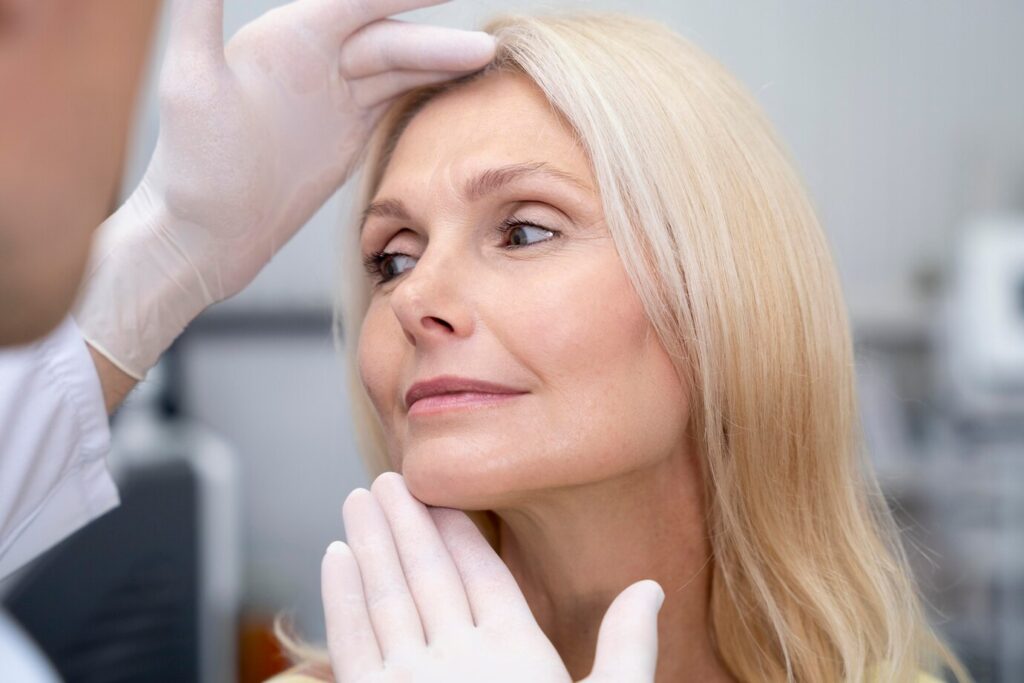
Botox treatment is most valuable when it’s part of a long-term skin plan. Its primary function is to silence the muscle tension that creates skin folds, which decelerates the formation of lines on the forehead, between the eyebrows, and at the crow’s feet. With less fold and shear, the skin experiences less wear and tear. Most people who maintain a consistent schedule of botulinum toxin injections notice fewer new lines develop as the years pass. One twin study found the treated twin displayed smoother skin and fewer wrinkles than the untreated twin years later. Another study observed that even seven months after their last dose, individuals who had routine botox shots still had less visible crow’s feet than those who never had treatment. These gains vary by person, but the trend is clear: consistent use often leads to fewer lines, not more.
Combining botox and daily care seals results. Apply broad-spectrum sunscreen (SPF 50) each morning to reduce UV-induced collagen degradation. Reapply every 2 hours if outside. Layer a vitamin C serum (10–20%) under sunscreen to neutralize free radicals and support even tone. At night, give a retinoid a nudge in its collagen-renewing, pore-refining ways. Begin low and utilize a pea-size to contain irritation. Throw in a bland moisturizer with ceramides to keep the barrier steady. Plan facials or light chemical peels every 6–8 weeks to remove accumulation and enhance radiance without interfering with injections. This mix covers the key drivers of aging: muscle motion, sun, oxidative stress, and cell turnover.
Anticipate a learning curve and prepare to adapt. Skin and soft tissue move with age, with weight, with hormones. Re-check dosing and sites every 3 to 4 months, as small changes in brow shape, eyelid position or smile dynamics may call for different units or injection points. Monitor texture, tone and pore size using photos and, if you can, skin imaging to catch trends the mirror can miss. Others fear that multiple injections thin the skin, but recent data do not support this. Very rarely, under 1 percent, patients can develop antibodies that reduce the effect. Spacing treatments and using the lowest effective dose can assist. A couple of studies observe minor changes in texture or tone with extended use, but the evidence is preliminary and inconsistent. Still, numerous individuals experience a more even, youthful appearance with reduced fine lines after years of treatment, while others observe moderate transformation. Establish objectives, quantify, and modify.
Conclusion
Botox works best with art, a strategic blueprint and genuine aftercare. Small doses, in the right spots, smooth lines. Regular maintenance keeps results consistent. Most experience maximum effect at two weeks and gentle fade by month three or four. Botox injections make skin look calm. Makeup lays better. Photos seem easier.
At our clinic, I map muscle pull, dose by unit, and change with photos. I combine care with sunscreen, retinoids, and good sleep. For men, I factor in more muscle mass. For first timers, I go light. For regular visitors, I adjust dose by location. No guesswork!
To schedule a consultation with me at Physician Aesthetic Institute in Bonita Springs, give our team a call or book an appointment online. Let’s map out your optimal next move.
Frequently Asked Questions
How do Botox injections work?
Botox temporarily relaxes specific facial muscles. It blocks the nerve signals that make muscles contract. These soften active wrinkles, such as frown lines and crow’s feet. You generally start to see results within three to seven days, peaking at around two weeks.
What are the main benefits of Botox?
Botox injections flatten wrinkles, rejuvenate your appearance, and forestall deeper furrows. This cosmetic treatment is fast, personalized, and noninvasive, with most injection sessions taking less than 20 minutes and minimal downtime.
How long do results last?
Results from botulinum toxin injections generally persist for three to four months. Longevity differs by metabolism, muscular activity, dosage, and injection site. Regular Botox treatment prolongs the benefits and can even decrease the dose over time.
What should I expect during my appointment?
You’ll receive a short consult, photos, and skin and muscle evaluation. The botox injector maps injection points for botulinum toxin injections and uses fine needles. Soft pinches last moments, and you can get back to normal immediately following with minimal aftercare.
Are there risks or side effects?
Typical side effects are temporary redness, swelling, or bruising. Rare risks include lid droop or asymmetry. Selecting a reputable medical professional minimizes these dangers. Tell us about your medical history and medications prior to treatment.
How do I choose a skilled injector?
Check medical credentials, training, and experience with your issues, especially if considering botox treatment. Inquire about dosing strategy, anatomy expertise, and follow-up policies, as a great provider presents a master plan and a safety-first philosophy for injectables.
Will Botox affect my skin long-term?
If applied properly, Botox treatment can assist with preventing deep dynamic lines, while also offering benefits as a cosmetic treatment for facial wrinkles. Combine treatments with sun protection, mild skincare, and good habits to maintain long-term skin quality.