
Eyebrow Tinting vs Microblading
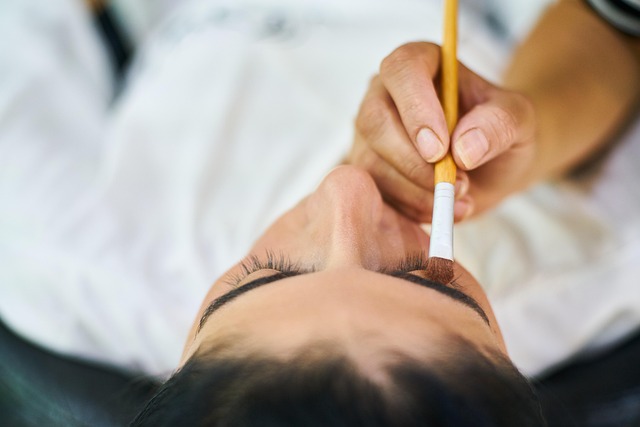
When it comes to perfecting your eyebrows, you’ve probably come across two popular options: eyebrow tinting and microblading. Both treatments promise fuller, more defined brows, but they’re quite different in terms of technique, results, and maintenance. At Physician Aesthetic Institute, we specialize in both of these treatments and have helped countless clients achieve their ideal brow look. As experts in the field, we understand that choosing between tinting and microblading can be a tough decision. Whether you’re seeking a subtle enhancement or a more defined, long-lasting result, the right treatment can elevate your brow game to the next level. In this post, we’ll break down the key differences between eyebrow tinting and microblading, helping you decide which option is the best fit for your needs and lifestyle. At Physician Aesthetic Institute, we’re here to guide you toward the perfect brows with confidence and clarity. Key Takeaways What Is Microblading? The Process The Sensation The Commitment What Is Eyebrow Tinting? The Method The Feeling The Upkeep Eyebrow Tinting vs Microblading 1. Technique 2. Appearance 3. Longevity 4. Aftercare 5. Sensation 6. Investment Who Is The Ideal Candidate? For Microblading For Tinting The Hidden Deciding Factors Your Skin Your Lifestyle Your Artist Making Your Final Decision Conclusion Frequently Asked Questions Is microblading or eyebrow tinting better for sparse brows? How long do results last for tinting vs microblading? Which option is safer for sensitive skin? What is the cost difference between tinting and microblading? Can I work out or swim after treatment? Will either look natural on very light or gray brows? Who should avoid microblading or tinting? Key Takeaways Microblading tattoos pigment into the upper dermis with tiny blades, creating hair-like strokes that resemble real brow hairs. It can reshape sparse, patchy brows and lasts 12 to 24 months with touch-ups. Eyebrow tinting lays semi-permanent dye on top of your existing hairs for a gentler boost that lasts about 3 to 6 weeks. Microblading requires structured mapping, topical anesthesia, and aftercare that avoids water, sun, and active skincare during the healing process. Tinting is speedy, pretty much painless, and has negligible downtime. A patch test is a good idea if you have sensitive skin. Go microblading if you’re seeking long-lasting definition, gap filling, or a new shape with minimal daily makeup. Go tinting if you’re blessed with naturally full brows, prefer a more subtle color intensity, or are seeking a low-commitment, wallet-friendly solution. Skin type and lifestyle habits impact results and longevity for both treatments. Oily or super-thin skin can prevent micropigments from taking well, and regular swimmers or sun worshipers may experience quicker fading of both styles. Schedule upkeep realistically, such as occasional microblading touch-ups or tint refreshes every few weeks. Brush up on the craft. Skill counts for both safety and results, so check credentials, peruse before-and-afters, and inquire about pigment or dye quality standards. Schedule a consultation to outline the perfect shape, pick a shade that complements your skin tone, and cover healing and maintenance. To do list: patch test, daily routine and pain audit, maintenance budget and aftercare prep (gentle cleanser, broad-spectrum sunscreen, non-oily brow products). If you’re unsure, try tinting first to see how you like the color and shape before you go for microblading. Eyebrow tinting vs microblading studies two styling techniques that enhance brow pigment and density with varying pigment depth, instruments, and durability. Tinting applies semi-permanent dye on brow hair and light skin stain for three to six weeks, ideal for already fuller natural brows. Microblading employs fine pigment strokes in the upper dermis, lasts twelve to twenty-four months, and is ideal for sparse or asymmetrical brows. To inform savvy decisions, we break down technique, lens, aftercare, dangers, skin types, and price, then chart real-life examples. What Is Microblading? Microblading is a form of semi-permanent tattooing in which a technician uses a handheld device to implant pigment in hair-like strokes into the upper layers of the skin. It is meant to replicate natural brow hairs, add density in thin or patchy areas, and create balance where brows are asymmetric. Technically, it is superficial micropigmentation, not tattooing, and it uses custom blades and pigments picked to complement your natural brow color and skin tone for a gentle, realistic look. The Process Brow mapping comes first. The outline is guided by measurements of various facial landmarks, including midline, nasal alae, brow heads, arches, and tails. This phase determines a shape that complements your bone structure, muscle tug, and hair growth pattern. It establishes the desired thickness and symmetry from brow to brow. Following design sign-off, the clinician employs a microblading pen equipped with a sterile, single-use blade to make controlled, shallow incisions in the upper dermal layer as it deposits pigment. Stroke patterns adhere to natural hair flow to avoid appearing stamped or blocky. Pigments are selected for undertone stability so the healed color remains neutral instead of ashy or warm. Expect 1 to 2 hours for the initial appointment, given that consultation, mapping, anesthetic time, and the strokes themselves all take place in a single session. The coverage pass that adds density could take 15 to 20 minutes. The remainder is meticulous prep and checks. A touch up is common at 4 to 6 weeks. This session sharpens edges, balances color post initial fade, and fills in patches that healed too light. The Sensation Topical anesthesia is administered beforehand and can be layered during the procedure to reduce pain. A majority of my clients report a faint scratching sound and light pressure as the blade makes tiny incisions. Certain sections, typically towards the tail or arch, may sting more keenly. The sensitivity differs by pain threshold, cycle-related skin shifts, and skin type. Oily skin might require some firmer passes that some feel more. Anticipate some mild redness or slight swelling immediately following. It usually sets within several hours to a day. The Commitment Results typically last 12 to 24 months. However, some experience results from 1 to 3 years based on skin type, lifestyle, and aftercare. Touch-ups every 1 to 2 years keep strokes crisp and pigment.