
CO2 laser treatments are a powerful way to refresh your skin, but knowing what to expect during the healing process is just as important as the treatment itself. At Physician Aesthetic Institute, we guide our patients every step of the way—from understanding the typical healing timeline to proper aftercare, and knowing exactly when to reach out if something feels off. In this post, I’ll walk you through what your skin goes through after CO2 laser resurfacing, share tips to support a smooth recovery, and help you feel confident every step of the way.
Key Takeaways
- CO2 laser resurfacing peels off damaged skin layers and encourages collagen production, which can smooth out wrinkles, soften scars, even skin tone, and refine texture over the course of a few weeks. Fractional CO2 targets micro-columns to reduce heat dispersion and speed recovery time compared to fully ablative passes.
- Anticipate the feeling of a mild sunburn with redness, warmth, swelling, and itching as skin exfoliates. This is all normal and temporary. Apply cold compresses and rest with your head elevated for the initial 48 hours.
- Preparation makes for better results and safer procedures. Discontinue exfoliants and retinoids a few days prior. Check medications and supplements with your provider. Skip sun and tanning. Introduce mineral sunscreen, mild cleansers, and barrier-supporting moisturizers.
- Co2 laser healing takes its own staged timeline based on intensity and skin type, generally progressing from ointment care in the initial 48 hours to gentle washing and rigorous sun protection through the first month. Steer clear of makeup, harsh products, and picking to avoid infection and scarring.
- Regular aftercare is a must. Carefully clean twice daily, maintain skin moisture with recommended ointments, then transition to fragrance-free moisturizers. Apply high-protection mineral sunscreen and protective clothing for months of sun exposure.
- Set reasonable expectations and track your progress with weekly photos, observing slow improvements in tone and texture while remaining vigilant for red flags like escalating pain, pus, spreading redness, or prolonged swelling. Reach out to your provider immediately if they appear.
CO2 laser healing is the skin’s healing response to fractional carbon dioxide laser treatment, which resurfaces the epidermis and triggers collagen stimulation in the dermis. Healing timelines vary based on energy density, pulse duration, treatment density, and skin type. Mild settings commonly re-epithelialize in 3 to 5 days, while deeper passes require 7 to 10 days, and collagen remodeling persists for 3 to 6 months. Critical stages of the healing process are acute inflammation (redness, edema), barrier repair (micro-crusts, tightness), and remodeling (texture and tone improvements). Safe care involves saline soaks, bland occlusives, SPF 50 plus, and strict heat and sun restrictions. Risks such as post-inflammatory hyperpigmentation increase with higher fluence and Fitzpatrick IV to VI without pre-care. Below we break down settings, care steps, timelines, and real expectations for CO2 laser healing.
Understanding CO2 Laser Treatment
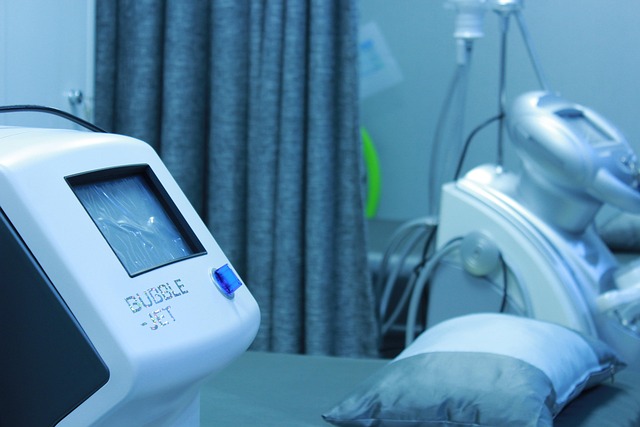
CO2 laser resurfacing is an effective treatment that uses a targeted beam to peel off old or injured epidermal layers while warming the dermis to initiate collagen remodeling. This advanced laser treatment addresses fine to deep wrinkles, acne and surgical scars, dyschromia, and textural irregularity. CO2 accomplishes more tightening and wrinkle removal, with a longer recovery that necessitates proper skincare and adherence to aftercare instructions.
The Science
CO2 lasers emit infrared light that is absorbed by water in skin cells, leading to the rapid vaporization of the outer layers. This precise ablation removes dead cells and photo-damaged tissue, triggering organized regeneration that exposes fresh, more even skin.
Fractional CO2 divides the beam into microthermal columns, sparing bridges of undamaged skin to accelerate re-epithelialization. This pattern restricts bulk heat, decreases the risk of pigment alteration and may decrease downtime relative to fully ablative passes.
The precision technology addresses specific issues, such as perioral rhytids, atrophic acne scars on the cheeks, or clusters of pigment, while leaving surrounding tissue untouched. Collagen denaturation and wound signaling then upregulate neocollagenesis and elastin remodeling over weeks to months, creating firmer tone and better snap-back.
A comprehensive consultation is routine, including medication review, photosensitivity risks, and pre-care like staying out of the sun and off photosensitizing drugs for at least four weeks.
The Sensation
As it hits, you’ll experience a warm, tingling heat and hear a gentle snapping noise with each pulse. Numbing cream is typical. Deeper work might add local nerve blocks.
Immediately afterwards, anticipate sunburn-type redness, warmth, and swelling. Peeling starts within days and can be quick.
Itching frequently increases as new skin develops. Bland occlusive ointments, cool packs, and mild cleansers assist. Average downtime is 7 to 10 days. Deep passes can need 10 to 14 days and prolong sun and product sensitivity.
Pinkness can continue for three to eight weeks. Maintain skin hydration and protection with a broad spectrum SPF, hats, and shade.
The Goal
It’s targeting smoother, clearer, balanced skin, minimal scarring, and firmer dermal support. One concentrated session can last 20 to 30 minutes, and outcomes evolve with collagen development.
Deep wrinkles and scars are better as remodeling continues. There is a dramatic change post healing. Several treatments can stage gains and treat mixed concerns safely.
Schedule around events and climate, control sun aggressively, and anticipate results lasting months to years based on depth. Replenish as required.
Your Pre-Treatment Blueprint
A clear plan minimizes risk, accelerates recovery, and optimizes results. This blueprint sets the baseline: protect your skin barrier with effective skincare products, manage medications, tighten daily habits, and avoid sun exposure to lower complications and pigment shifts.
1. Skincare Regimen
Discontinue retinol, glycolic or salicylic acid, scrubs, and at-home peels 5 to 7 days prior to treatment. Hold off on abrasive devices and washcloths. Calm and intact skin heals quicker and with less post-inflammatory marks.
Switch to gentle, non-fragrant cleansers and mid-weight moisturizers. Seek out ceramides, glycerin, and niacinamide in straightforward formulations. Keep routines short: cleanse, moisturize, and apply mineral SPF by day.
Ditch abrasive masks, powerful toners and steam facials. Don’t experiment with new actives this week. If your skin stings, reduce to cleanser and bland moisturizer only.
Recommended pre-treatment products:
- Cleanser: fragrance‑free gel or milk (pH ~5.5)
- Moisturizer: ceramide cream; petrolatum ointment for dry spots
- Sunscreen: zinc oxide 10–20% broad‑spectrum, SPF 50+
- Optional: 2–4% niacinamide serum (if already tolerated)
Step | Product Type | Example Ingredients | Use |
|---|---|---|---|
Cleanse | Gentle gel/milk | Glycerin, Panthenol | 2× daily |
Moisturize | Barrier cream | Ceramides, Squalane | 2× daily |
Protect | Mineral SPF | Zinc oxide | AM, reapply |
2. Medication Review
Reveal all prescriptions, OTC drugs, acne treatments, herbs, and supplements. Add isotretinoin history, doxycycline or minocycline, topical tretinoin, aspirin, ibuprofen, naproxen, omega-3s, vitamin E, ginkgo, St. John’s wort, and turmeric.
Blood thinners and many NSAIDs increase bruising and oozing risk. Certain antibiotics and acne medications are photosensitive psoralen drugs. Eschew sun-sensitizing medications at least 3 days pre-treatment if medically feasible.
Topical retinoids and select antibiotics are held per protocol. Antivirals can be initiated for lip or face treatments in patients with a cold sore history.
Medication checklist:
- Share a full list (drug, dose, schedule)
- Flag blood thinners/NSAIDs; ask about safe pauses
- Identify photosensitizers; plan a 3–7 day washout
- Ask about antiviral prophylaxis if prone to herpes simplex
3. Lifestyle Adjustments
Quit smoking at least 2 weeks before. Even 72 hours aids microcirculation and oxygenation.
Maintain a consistent, uncomplicated skincare routine to strengthen the barrier. Don’t add new actives.
Consume 2 to 3 liters of water per day, emphasize protein-rich meals and supplement with vitamin C and zinc from food sources. Keep alcohol low to help wounds heal and sleep.
No heavy workouts, hot yoga, or saunas for 24 to 48 hours pre and a couple of days post. Ditch beds and sun for a minimum of 2 weeks in the lead-in.
4. Sun Avoidance
Implement rigorous sun avoidance. Use daily broad-spectrum mineral sunscreen with an SPF of 50 or higher, applying 2 mg per square centimeter and reapplying every 2 to 3 hours outdoors.
New sun increases melanocyte reactiveness and likelihood of hyperpigmentation. Even “tint” means exposure.
Wear a wide-brim hat, UV-rated clothing, and sunglasses. Find shade, and schedule errands early or late.
Adopt these habits: no tanning beds, drive with UPF gloves if needed, check UV index, use umbrellas at the beach or pool.
5. Final Consultation
Confirm directions, finalize plan and clarify last questions. Get on the same page about downtime, crusting, edema and color changes by day and week.
Walk through aftercare: vinegar soaks, occlusive ointment, sterile gauze, saline spray, and a mineral SPF for re-epithelialized skin. Be stocked at home before you go.
Plan the appointment when you can skip big plans 10 to 14 days out, reduce travel, and obtain support for childcare or work if necessary. This planning lowers anxiety and facilitates safer healing.
Navigating CO2 Laser Healing
Recovery unfolds in stages: acute repair, barrier rebuild, and collagen remodeling. Redness, swelling, and peeling are par for the course, and their severity tracks with treatment depth, especially after procedures like co₂ laser skin resurfacing. Surface healing typically takes one to two weeks for most patients, but full skin rejuvenation will require months of collagen maturation, emphasizing the importance of a proper skincare routine and strict sun avoidance.
The First 48 Hours
Slather on that thick healing ointment to keep skin moist and sealed to limit crusting and transepidermal water loss and facilitate faster re-epithelialization. Reapply post cleanse and as soon as any area appears dry. Resist the urge to touch, scratch or pick. Friction increases the risk of infection and can lead to scarring or hyperpigmentation.
Anticipate pronounced redness, swelling, warmth, and a sunburn-like sting — the strength of which corresponds to the laser power and passes when the epidermis seals. Apply cool compresses in 10 to 15 minute increments. Sleep with your head elevated 20 to 30 cm to minimize swelling. Navigate CO2 Laser Healing. Avoid strenuous exercise and heat exposure; wait 1 to 2 weeks or until your physician clears activity. Drink lots of water, wash with sterile or boiled-cooled water, towel dry, and re-ointment.
The First Week
Peeling and flaking indicates new epithelium emerging under dying skin. Color and texture can appear uneven from day to day. This is normal. Swelling and redness typically subside by days 5 to 7.
Carefully wash two times a day with a gentle, fragrance-free wash. Pat dry and close up with a thick moisturizer or ointment to trap in water. Ditch makeup, acids, scrubs, retinoids, and any harsh actives. No direct sun. If you have to, wear a wide brim hat and broad-spectrum sunscreen SPF 30 or higher once your clinician permits. Increasing redness, discharge, sudden pain, or new pimples merits a follow-up visit. Irritation or infection can spike after week 1.
Most patients can take video calls by day 5. A few go back into the office with makeup late in week one, but it depends on depth.
The First Month
Once the barrier has strengthened, shift away from occlusive ointments toward lighter moisturizers. Then add mineral sunscreen SPF 30 or higher daily and reapply outdoors every 2 hours.
Pink or red may linger for weeks, fading as vessels settle. Resume a simple routine: gentle cleanse, bland moisturizer, and mineral SPF. Avoid strong exfoliants and retinols until cleared. Document improvements in tone, fine lines, and texture with weekly photos in consistent lighting. Full effects build over months as collagen remodels.
Essential Post-Treatment Care
Regular, uncomplicated care accelerates healing and safeguards results, especially after laser skin treatments. Consider keeping the skin clean, moist, and protected. Don’t risk irritation or pigment change; use only approved skincare products. Recovery takes 7 to 14 days with peeling, flaking, and light crusting. The goal is calm skin, low heat, and zero friction. Sample schedule: morning—cleanse, saline compress, ointment, mineral SPF 30+, hat; midday—reapply moisturiser, compress if warm; evening—cleanse, vinegar rinse, ointment; as needed—ice for 15 to 20 minutes several times per day during the first 48 to 72 hours; avoid saunas, pools, baths, and hot tubs until fully healed.
Cleansing
Employ a gentle, non-foaming cleanser to lift ointment build-up, sebum and debris without stripping. Diluted white vinegar rinses, one part vinegar to ten parts cool, sterile or boiled, cooled water, reduce surface pH and bioburden. You can employ liquid soap and water if recommended, but maintain brief contact and low pressure.
Forget hot water, scrubs, washcloths, spinning brushes, and exfoliating acids. Heat and friction delay barrier repair, push pigment cells, and can induce post-inflammatory marks.
Pat dry with a fresh, soft towel. No rubbing. Save a new towel every time to minimize spreading.
Wash twice a day unless otherwise instructed. Between washes, sterile saline compresses every few hours during the initial 48 to 72 hours help draw out heat, soften crusts and ease sting.
Moisturizing
Use a thick healing ointment to keep the wound bed moist, which accelerates re-epithelialization and prevents cracking. A moisture-rich layer that stays glossy is the appropriate goal.
As peeling subsides, transition to a fragrance-free, non-comedogenic cream. Reapply during the day if the skin appears dull or feels tight. Make sure your formulas are free of dyes, alcohol, acids, retinoids, and essential oils until that pink tone disappears.
DON’T PICK FLAKES! If edges lift, soften with ointment, then gently wipe after washing.
Protecting
Apply broad-spectrum mineral sunscreen SPF 30+ every morning, even indoors, as visible light can darken new skin. Reapply every 2 to 3 hours outdoors. Team with a wide-brimmed hat and shade to reduce cumulative exposure. Stay diligent about sun protection for a few months to reduce the chance of hyperpigmentation. Postpone outdoor workouts at peak sun. If you’ve got to be out, incorporate sunglasses and search for shade.
Recommended mineral options for sensitive, healing skin:
Product | Filters | SPF | Finish |
|---|---|---|---|
Zinc oxide cream | 100% zinc oxide | 30–50 | Occlusive, soothing |
Zinc/titanium blend lotion | Zinc oxide + titanium dioxide | 30–50 | Lightweight |
Tinted zinc sunscreen | Zinc oxide | 30–50 | Iron oxides for visible light |
The Mental Side of Healing
CO2 laser recovery tests patience and mood as much as skin health. Anticipate days with confidence dips, moments of anxiety, or irritant dermatitis when skin redness and swelling reach their apex. Noticeable change requires weeks and complete polish months, making a proper skincare routine essential. Realistic goals, steady routines, and simple tools like photo logs help you observe advancement you could overlook from day to day.
Patience
Prepare for weeks of exposed healing. It begins with oedema, crusting, and a pink tone that changes to light redness once re-epithelialisation is complete. This timeline differs by skin type, treatment density, and depth.
Don’t speed up or sprinkle in unauthorized hacks at home. Ditch scrubs, acids, and heat exposure without clearance. Off-label gadgets and DIY creams can lead to contact dermatitis or post-inflammatory hyperpigmentation.
Focus on long term progress. Collagen remodeling goes on for three to six months, often longer after higher energy passes. That is the arc in which texture evens, pores appear tighter, and scars fade.
Mark small wins. The mental side of healing is the first day you wake with a little less tightness, the week redness fades from deep pink to peach, or when makeup sits cleaner—note it and move on with care.
Perspective
Redness, swelling, and peeling indicate controlled dermal injury at work. Keratinocyte turnover increases, barrier proteins regenerate, and fibroblasts deposit new collagen. Only temporary discomfort is associated with successful healing of tissue, not damage.
Relative to peels or microneedling, CO2 typically demonstrates a crisper initial downtime but a more powerful lift in texture and lines because of deeper thermal effects. This context helps establish reasonable expectations.
No two healings are the same. Fitzpatrick type, baseline sensitivity, hormonal status, and energy settings guide speed and pigment risk. Your course should not be a copy of a buddy’s.
Setbacks, flaky patches, a breakout, or a flare following a warm workout, are of course corrections. Consider them cues to get back on plan, not defeats.
Progress
View weekly photos under the same light. Side angles expose pore and scar transformation more effectively than front views.
Observe watch tone even out, lines etched soften and scar edges blur as neocollagen matures. Freckles frequently peel in phases.
Post before-and-after pictures with your care team. Witnessing change strengthens your patience and motivates you to stay with sunscreen, barrier repair, and gentle regimens.
Results take a few months to develop. Fortify your zen with some breath work, mini walks, or meditation, and lean on an ego-less support system that honors confidentiality and objectives.
Potential Risks and Management
CO2 laser healing is contingent on exact execution, robust skin preparation, and rigorous aftercare. The success of laser skin treatments relies on calming inflammation quickly, maintaining the skin barrier, and preventing infection while pigment and collagen remodel. It is crucial to adhere to a proper skincare routine to ensure optimal healing.
Be aware of potential side effects, including infection, scarring, hyperpigmentation, or redness that lasts for an extended period. Infection can be bacterial, including Pseudomonas, fungal, such as candidiasis, or atypical mycobacterial. It frequently presents with new pain, pus, malodor, or gray slough on days 2 to 7. Scarring is rare but more common on the neck and chest or when fluence or density is excessive. Early warning signs are persistent thick crusts, focal induration, and delayed re-epithelialization. Ectropion can occur after aggressive passes on the thin lower eyelid skin. The risk is increased in eyes with prior subciliary blepharoplasty, scleral show, large globes, or lax lids. Persistent redness and itch suggest barrier damage or contact dermatitis. They linger for weeks if treatment falters. Herpes simplex will disseminate across the face if treatment or prophylaxis with antivirals is not administered, imitating heralding bacterial infection but with grouped vesicles. Temporary hyperpigmentation is common, especially in darker tones or after sun exposure, and is less likely with fractional modes but still possible.
Persistent redness and itch may suggest barrier damage or irritant dermatitis. If treatment falters, these symptoms can linger for weeks. Herpes simplex will spread across the face if antiviral medicine is not administered, mimicking signs of a bacterial infection. Temporary hyperpigmentation is common, particularly in darker skin tones or after sun exposure, and is less likely with fractional modes but still a risk.
To mitigate risks, emphasize the importance of careful aftercare. Cleanse the treatment area with sterile saline or a bland, fragrance-free wash twice daily, then re-apply a thin occlusive barrier like petrolatum every 2 to 3 hours to maintain wound moisture. Avoid direct sunlight until full re-epithelialization occurs, and once healed, use a high SPF sunscreen, shade, and hats. UV damage is a significant contributor to pigmentation issues. Hold photosensitizing drugs like doxycycline and avoid exfoliants, acids, and scrubs during recovery.
List warning signs that require immediate attention for a successful recovery. Potential risks include fever, spreading redness beyond the treated area, foul odor, increasing pain after day two, and thick raised plaques. These symptoms warrant a same-week review to prevent complications. Early intervention can inhibit scarring and pigmentation changes, ensuring the best outcomes from co2 laser skin resurfacing procedures.
Conclusion
CO2 laser can reset your skin texture and tone with actual results. Purer pores, sleeker lines, and a tightened appearance around cheeks, mouth, and eyes. The majority heal within 7 to 10 days. Pink subsides within 4 to 8 weeks. Final glow develops by month three. Good prep and steady care paint the best path.
Think baby steps. Wash with lukewarm water. Pat dry. Seal with a thin, bland ointment. Protect with SPF 50+. Bypass warmth, perspiration, and actives till your skin calms. Monitor indicators such as crust, itch, or hot flush. Use hot and cold packs for brief periods. Elevate your head to sleep during the first nights.
Have ambitions. Make sure you bring pictures. Inquire regarding depth, number of passes and downtime. For a plan that suits your skin and your schedule, book a consult at Physician Aesthetic Institute.
Frequently Asked Questions
How long does CO2 laser healing take?
Most experience initial healing in 7 to 10 days after effective skin treatments. Redness can persist for 4 to 12 weeks, particularly with co₂ laser skin resurfacing. Complete skin healing and collagen remodeling can take 3 to 6 months, depending on treatment depth and proper skincare.
What should I do before a CO2 laser treatment?
To ensure proper skincare, keep out of the sun for 2 to 4 weeks and practice strict sun avoidance with a high SPF sunscreen. Discontinue retinoids and exfoliants as recommended, and have a nice cleanser, moisturizer, and sunscreen on standby.
What helps CO2 laser healing go faster?
Adhere to your clinician’s aftercare protocol for effective skin treatments. Keep skin clean, moisturized, and protected with a broad-spectrum SPF 50 to avoid sun damage. Steer clear of sun, heat, workouts, and picking to ensure proper skincare and promote skin health.
Is CO2 laser painful during recovery?
You will experience heat, tightness, and stinging for 24 to 72 hours after laser skin treatments. Itching and dryness are typical, and over-the-counter pain relief, cool compresses, and prescription ointments assist during the skin’s natural healing process.
When can I wear makeup after CO2 laser?
Typically after complete re-epithelialization, which takes 7 to 10 days for light treatments, it’s crucial to follow a proper skincare routine. For deeper laser treatments, wait longer as suggested and always apply a high SPF sunscreen first.
What are normal side effects vs. warning signs?
Normal signs include redness, swelling, and itching, while warning signs such as spreading redness or severe pain may indicate complications. Contact your provider if you observe these warning signs after laser treatments.
Can darker skin tones get CO2 laser safely?
Yes, indeed with thoughtful settings and skilled providers. Pre and post treatment pigmentation control is crucial, especially with effective skin treatments. Sun avoidance precautions and approved topicals enhance safety and outcomes.