Sun damage and the signs of aging are inevitable—but what if you could press a “reset button” on your skin? At Physician Aesthetic Institute, we’ve seen firsthand how CO2 laser resurfacing can transform sun-damaged, tired-looking skin into a smoother, more youthful complexion. This advanced treatment goes beyond creams and facials, targeting deep layers of the skin to reduce wrinkles, fine lines, and uneven pigmentation while stimulating your body’s natural collagen production. In this post, I’ll explain how CO2 laser resurfacing works, what results you can expect, and why it’s one of the most effective ways to refresh and rejuvenate your skin.
Key Takeaways
- CO2 laser resurfacing selectively vaporizes damaged skin while heating underlying layers to activate collagen, enhancing wrinkles, scars, sun damage, and uneven tone. Fractional delivery minimizes downtime by targeting microscopic treatment zones and maintaining adjacent tissue to expedite healing.
- Ablation and vaporization cooperate to eliminate surface flaws and polish texture. The regulated thermal impact tightens skin over time. Look for continuous collagen remodeling for months with increasing tightening and smoothing.
- Optimal prospects are those with specific issues like wrinkles, acne scars or sun spots and have reasonable expectations appropriate to skin type and medical background. Darker skin tones can be served with customized, conservative fractional protocols and diligent sun avoidance to minimize pigment hazards.
- Well-designed journey optimizes results comprising detailed consultation, specific pre-care, careful intra-procedure settings, and attentive aftercare. Expect a week or two of social downtime for full-field treatments and less downtime for fractional sessions.
- Recovery success requires scrupulous wound care and moisturization, strict UV avoidance using broad-spectrum sunscreen at 2 mg/cm2 and physical barriers. Monitor healing with photos, resist early picking and makeup, and resume actives such as retinoids only after complete re-epithelialization.
- Outcome depends on both technology and technique. Select a seasoned provider who personalizes energy, density, and pattern. Go for erbium lasers, chemical peels, or microneedling when you want less downtime or your skin type requires it.
CO2 laser resurfacing is a doctor-only treatment that employs a carbon dioxide laser to vaporize damaged skin layers and stimulate new collagen production. In clinical use, it treats fine lines, wrinkles, sun damage, acne scars, and uneven tone very precisely without damaging the surrounding tissue. Fractional patterns, energy fluence, and pulse durations are customized for skin type and goals, which enhances texture and firmness with reduced risk and downtime. Generally, patients require 5 to 10 days for initial healing and experience consistent improvements over 3 to 6 months as collagen develops. At Physician Aesthetic Institute in Bonita Springs, care plans feature full skin typing, pretreatment for pigment control, and guided aftercare to reduce swelling and support safe, even results.
The Science of CO₂ Laser Resurfacing
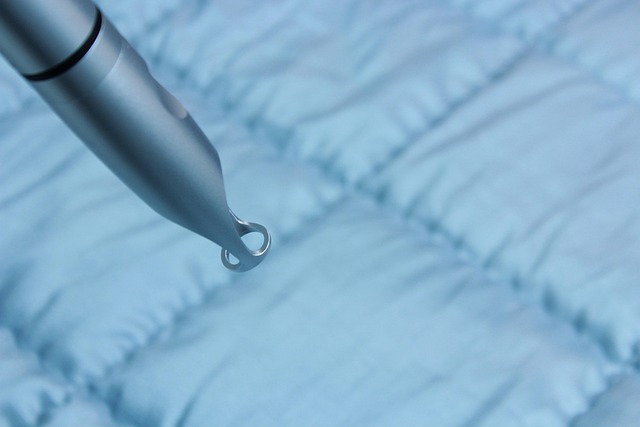
CO₂ laser resurfacing, a popular choice among cosmetic surgeons, boasts a focused infrared light of 10,600 nm that gently removes damaged layers with micrometer precision while delivering precise heat to the dermis. This advanced laser treatment clears aged cells and jump-starts collagen synthesis, improving texture, tone, and firmness in concert. Full-field ablative passes effectively address deep-set lines and scars, while fractional laser patterns are ideal for larger areas with quicker healing. Issues such as wrinkles, acne and surgical scars, and uneven tone respond particularly well to these innovative skin resurfacing technologies.
1. Vaporization
The beam turns intracellular water to steam, vaporizing targeted tissue and lifting away destroyed keratinocytes and melanocytes on the surface. This smooths out fine lines, mottled pigment, and rough scale on a single plane.
Micro-columns of injury create a lattice that triggers hemostasis, inflammation, and remodeling. Fibroblasts move in, deposit new collagen, and reconstruct the extracellular matrix, which produces a more uniform light reflectance and tactile smoothness.
Selectivity is the key. Short pulses and small spot sizes localize energy to the target site, protecting surrounding tissue and reducing the risk of scar. This level of detailed mapping around pores, follicles, and adnexal units protects normal skin yet addresses the issue.
2. Ablation
Ablation is the controlled elimination of the epidermis and sometimes superficial dermis through high-intensity pulses. At standard parameters, optimal ablation is obtained at around 5 joules per square centimeter of fluence with a sub-millisecond pulse duration to minimize thermal diffusion.
Full-field ablation smoothes out deep wrinkles, pitted acne scars, and pronounced photodamage. Fractional ablation, on the other hand, addresses a fraction of the skin in a matrix, hedging impact and downtime. It smooths texture and refines the overall complexion.
3. Thermal Effect
Heat spreads below the ablation zone and remodels collagen via denaturation and neocollagenesis. Controlled thermal load tightens laxity, including delicate eyelid skin.
Temperature and dwell time are closely controlled to minimize risk and optimize lift and firmness. This thermal cue accelerates repair and enhances elastic recoil.
4. Fractional Technology
Create microscopic treatment zones surrounded by intact tissue that speed re-epithelialization. Downtime and infection risk decrease compared to traditional full-field passes.
Coverage, energy and passes can be adjusted for scars, pigment or lines. Advantages are less trauma, less risk of permanent scarring, and usefulness for a wider range of skin types. Fitzpatrick I–II are still the lowest risk for dyspigmentation.
For III–VI, complication risk increases. Pretreatment with hydroquinone and glycolic acid can help decrease post-inflammatory dyspigmentation.
5. Collagen Remodeling
CO₂ resurfacing induces robust collagen I and III production that extends for months. Firmer, smoother, more radiant skin ensues as fibers realign and thicken.
Acne, trauma or surgical scars soften when thermal injury is deposited below the scar bed and then remodeled. Medical applications go beyond aesthetics and include specific keratinocytic skin cancers.
Multiple sessions are necessary for most patients, spaced weeks to months apart, with full recovery at minimum one month. Skin (Fitzpatrick I–II) tends to do best. Darker tones necessitate careful settings and diligent post care.
Are You a Candidate?
Candidacy for laser skin treatments depends on skin type, concerns, medical history, and goals. Evaluation extends to previous treatments, existing skin care, medications, downtime tolerance, and sun exposure habits, ensuring a safe plan is established.
Skin Types
Fair to medium complexions (Fitzpatrick I–III) react predictably to CO₂ laser skin resurfacing, showing minimal risk of pigment alteration and quicker recovery to pre-procedure tone. These skin types can typically handle higher energy and more aggressive passes, making them suitable for laser skin treatments targeting etched lines or scars.
Darker skin tones (Fitzpatrick IV–VI) face a higher risk of post-inflammatory hyperpigmentation. However, treatment remains feasible with tailored protocols that involve lower density and reduced fluence. Strict pre- and post-care, along with sun control, is crucial. Prepping with pigment modulators and avoiding recent inflammation can aid in the process. Individuals with dark skin are generally not candidates for full-field ablative methods.
Sensitive or reactive skin benefits from fractional laser settings, which preserve bridges of intact tissue. Fractional CO₂ laser allows for adjustments in spot size, pulse width, and density to minimize thermal load, particularly in rosacea-prone or seborrheic skin.
Always keep a reference list: Compatible—stable fair to medium tones and controlled melasma history. Contraindications include active infection, keloid tendency, isotretinoin use within the past 6 to 12 months, and recent deep chemical peels.
Skin Concerns
Best-fit concerns are etched perioral or periocular lines, atrophic acne scars, sun spots (lentigines), rough texture, and large pores. Photoaging with dyspigmentation and elastosis responds well, particularly on the face.
Surgical and traumatic scars, actinic keratoses, and certain benign lesions (i.e., seborrheic keratoses, syringomas) can respond well to staged passes with carefully chosen endpoints. This method is not effective for diffuse vascular redness or active acne flares.
Ablative CO2 is for severe wrinkles, deep acne scars, and sun damage. Nonablative or lighter fractionated is for mild texture, early wrinkles, and very little downtime.
Consider photosensitizing medications and hold if medically safe. Herpes or shingles around the field history requires antiviral prophylaxis. Specific skin conditions or preps may exclude treatment.
Realistic Goals
Anticipate a 30 to 60 percent enhancement in wrinkle and texture after a single treatment, with redness and healing occurring within 7 to 14 days and pinkness potentially persisting for weeks.
Deep scarring or etched lines could require two to three staged treatments. It depends on age, skin health, and collagen reserve.
Record objectives, preview clinical images, and match healing time with plans. Those with common sense and steady skin fare the best. A qualified consult finds out if CO₂ is right for you.
The Treatment Journey
A well-defined treatment journey for laser skin resurfacing makes everything safer, more comfortable, and more result-oriented. Here’s the normal progression from initial appointment to complete healing with timing hints and real-world specifics.
Initial consult and skin mapping: full history, device selection, and goal setting.
Four-week prep: sun control, skincare tuning, and medication review.
Procedure day: cleanse, anesthetic, eye shields, fractional CO₂ passes.
First 72 hours: Warmth, tightness, swelling, and strict barrier care.
Days 3 to 10: active peel, sensitivity, and gradual return to routine.
Weeks 2 to 6: Redness fades, texture smooths, makeup returns after approximately day.
Months 3 to 6: Collagen remodeling finishes, with peak firmness and refinement.
Consultation
An in-depth consultation confirms your candidacy, refines expectations, and establishes an exact plan. I evaluate skin type, pigment risk, scar depth, laxity, pores, lines, and prior procedures to tailor energy, density, and pass count to your objectives.
We discuss medical history, photosensitivity, cold sores, keloid tendency, medications, and past peels or lasers. Your regimen claims, including acids, retinoids, and exfoliators, frame both the treatment prep and downtime.
The treatment journey: We lay out session count, settings range, anesthesia type, healing aids and cost in one currency quote, with a calendar for prep and recovery. Come with questions in writing about pain, peeling, pigment risk and timelines.
Preparation
- Sun protocol (4 weeks): avoid sun exposure, tanning, and photosensitizing drugs. Daily SPF 50+, hats, shade.
- Skincare (7–14 days): Use moisturizers twice daily. Discontinue retinol or exfoliating products approximately one week prior to reduce sensitivity.
- Health: pause harsh peels, talk about antivirals for cold sore prone, rule out active infections.
- Home kit: petrolatum ointment, gentle cleanser, saline spray, ice packs, sterile gauze, soft towels, SPF 50 plus, mineral makeup.
Get on a regular sunscreen regimen now, as it is crucial for recovery after laser skin resurfacing. Excellent hydration and sleep assist the healing process, so schedule work and social engagements with seven to ten days of evident downtime.
Procedure Day
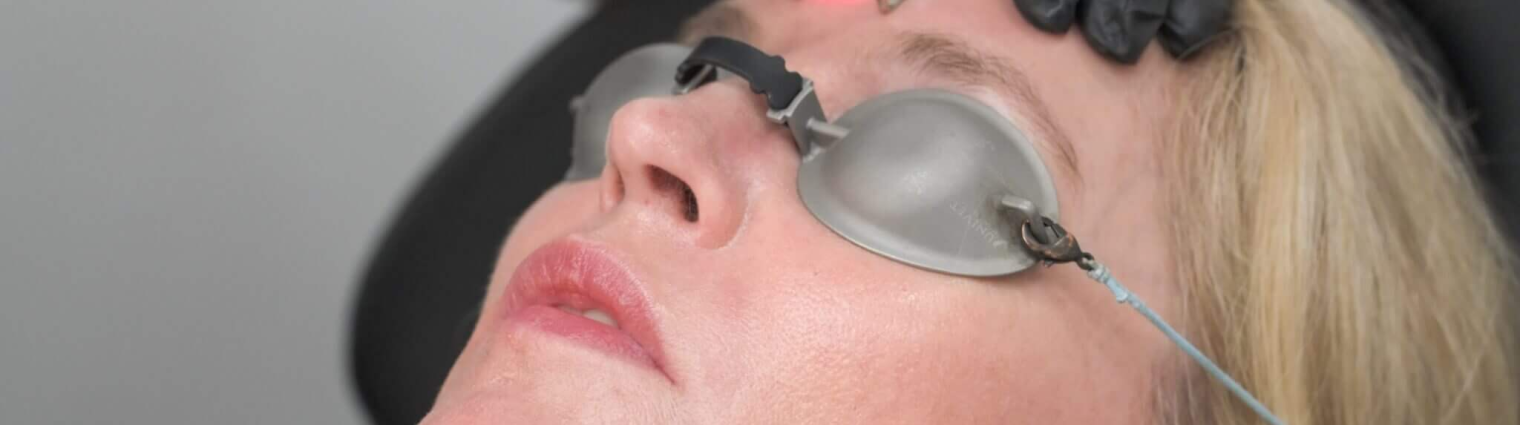
Treatment starts with photos, consent, cleansing and topical anesthetic. Some cases use nerve blocks or light sedation. Sunglasses are a must. High-tech fractional CO₂ platforms administer precise columns of thermal damage, leaving bridges of skin untouched for rapid healing and minimal pain.
Small areas require 20 to 30 minutes, and a full face can last between 45 to 75 minutes depending on density and number of passes. Anticipate heat and a snug sensation immediately. If sedated, be sure to schedule a ride home.
The first 3 to 5 days are marked by redness, swelling, and peeling. Ice packs for about 15 minutes alleviate the swelling. Skin will be warm, tight, and sensitive for a few days. Intense peeling and sensitivity occurs for 7 to 10 days, but most can wear makeup after a week or so when new skin is sealed. Top outcomes mature over 3 to 6 months as collagen continues to develop.
Navigating Your Recovery
Recovery after CO2 laser skin resurfacing follows a predictable arc: early wound care, controlled hydration, and strict sun control. Full healing occurs over one to three weeks, while collagen remodeling and visible refinement continue for months after the laser treatment.
- Do: Cleanse gently, pat dry, keep a thick occlusive layer on.
- Do: use cold compresses, take prescribed meds as directed
- Do: apply mineral SPF 30+ every morning, even indoors
- Don’t: pick, scrub, or peel flakes. Stay away from make-up until re-epithelialized.
- Don’t: use retinoids, acids, or exfoliating brushes early
- Don’t: expose skin to sun. Wear a hat and stay in the shade.
First Week
Anticipate redness, mild swelling, and oozing throughout the initial 5 to 7 days. Peeling and flaking begin as the top layer sloughs off. This appears severe but actually indicates normal re-epithelialization.
Wash with a gentle, non-foaming wash twice a day, rinse with cool water, pat dry with a clean towel and then apply a thick ointment or hydrating moisturizer to seal in moisture and protect denuded skin. Dab on ointment anytime skin appears dry or tight.
No scab picking or shaving of treated areas. Reserve make-up until the surface has completely closed. Give heat short breaks with cold compresses. Finish any antimicrobial or steroid cream course if prescribed. Shun the sun for at least the initial days. Limit screens and hot environments that induce flushing.
First Month
Texture, tone and fine lines get better over time as new epidermis settles and edema subsides. Weekly photos allow you to identify trends and highlight concerns in your recovery early.
Maintain rigorous sun avoidance. Every morning, apply a broad-spectrum mineral sunscreen SPF 30 or higher, even under your roof, because window light and screens contribute to cumulative exposure. Reapply if outside.
Start introducing gentle skincare—non-fragrant cleanser, ceramide moisturizer, and simple antioxidant serum—once your provider signs off that the barrier is intact. Hold acids and scrubs. Anticipate persistent pinkness in fair skin and temporary bronzing in darker hues.
Long-Term Care
Lock in gains with daily moisturizer, targeted serums (niacinamide, peptides), and mineral SPF 30+ every AM. Top with a wide-brim hat and physical barriers when outside. Shade trumps sunscreen alone.
Plan maintenance: light peels, hydrafacials, or non-ablative lasers at intervals set by your provider. Retinol or prescription retinoids can restart once fully healed and any redness has subsided, usually by week 3 to 4. Then titrate slowly. Complete results develop over a few months as collagen becomes denser and the new skin matures.
Beyond the Hype

CO₂ laser skin resurfacing can blur fine lines, soften acne scars, and even out tone, proving effective when technology, technique, and patient care align.
- Downtime is real. It ranges from 3 to over 14 days for fractional passes and can extend to several weeks for fully ablative zones, depending on the plan and area.
- Pain varies from a mild sting with topical anesthetic to a stronger burn. Some need nerve blocks or sedation, while others need little support.
- Results differ. Finer lines fade fast. Etched wrinkles and deep scars require staged plans. Results vary based on skin type, biology, and rigorous aftercare.
Technology vs. Technique
Leading-edge CO2 platforms provide targeted energy delivery, scanned patterns and real-time temperature feedback. These tools minimize collateral heat, reduce variability and assist in targeting 20 to 200 micrometers with consistent passes. The device doesn’t select endpoints; the operator does.
Safe, robust results arise from optimal fluence, pulse duration, density and number of passes, in addition to controlled plume management and cooling. Depth must match the defect. Perioral rhytids often need deeper ablation. Pigment-prone areas call for lower densities with extended intervals.
Even the finest console is useless in unskilled hands. The map matters: feathering at borders, guarding the eyelids, and adjusting for sebaceous zones reduce lines and blotchy edges.
Key determinants:
- Experience with Fitzpatrick I–VI
- Formal training and case volume
- Patient selection and priming (antivirals, retinoid pause, photosafety)
- Perioperative care plans and staged sessions
The Collagen Myth
Not all lasers spur big collagen boosts. Thermal injury needs to be specific. Too little power contributes blush without renovation. Too much power risks scarring or pigment shift.
Collagen remodeling varies with laser type, intensity, number of passes, and your biology. Smokers, high sun exposure, and hormonal shifts alter the curve.
Visible change comes from two levers: remove damaged tissue and lay down new collagen. Both matter, and both require time, often three to six months, and sometimes multiple rounds.
Treatment | Typical collagen stimulus | Sessions | Downtime |
|---|---|---|---|
Fully ablative CO2 | High | 1–2 | 10–21 days |
Fractional CO2 | Moderate–high | 1–3 | 3–10 days |
Fractional non-ablative | Low–moderate | 3–6 | 1–3 days |
Microneedling RF | Moderate | 3–4 | 1–3 days |
A Partnership
Results depend on collaborative scheduling. Clear goals, risk review, and test spots optimize density and depth, particularly for darker skin tones where dyschromia risk is elevated and other protocols may work best.
Follow the plan: sun avoidance, antiviral cover when needed, hold photosensitizing drugs, and strict wound care. Avoid shortcuts. Your pigment’s stability and healing speed rely on it.
Anticipate a marathon, not a sprint. Prices range from a couple hundred to a few thousand euros a session. The outcomes can persist for years with sun protection, a stable lifestyle, and upkeep.
Comparing Skin Rejuvenation
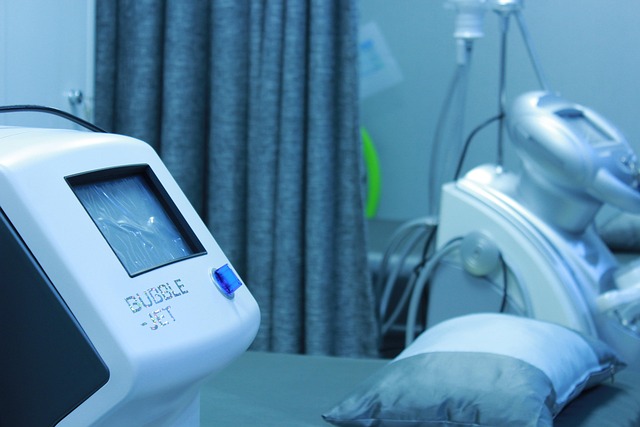
CO2 laser resurfacing is part of a broader toolkit that includes chemical peels, microneedling, and laser skin treatments. The selection process depends on factors such as tissue depth, thermal profile, and pigment safety. Early CO2 lasers set new precision standards, while modern fractional laser resurfacing technologies enhance that control, ensuring a safer recovery for patients.
Modality | Downtime | Effectiveness | Ideal Candidates |
|---|---|---|---|
CO2 (ablative; fractional/unfractionated) | 7–14 days | High; facial wrinkles ~45% improvement | Moderate–severe photoaging, etched lines, texture |
Er:YAG (ablative; fractional/unfractionated) | 5–10 days | High; precise ablation, less thermal injury | Lighter skin types, milder–moderate rhytids |
Nonablative lasers (incl. 1320‑nm Nd:YAG) | 0–3 days | Moderate; collagen remodeling | Early aging, pigment-safe, minimal downtime |
Chemical peels (light–deep) | 0–14 days | Low–High; session-dependent | From glow maintenance to deep perioral lines |
Microneedling | 1–3 days | Mild–Moderate; texture, scars | Fine lines, mild scars, all skin types |
Radiofrequency (RF) | 0–3 days | Mild–Moderate tightening | Laxity, heat-based collagen with pigment safety |
Other Lasers
CO2 ablates water-rich tissue with controlled thermal coagulation. It smooths lines and tightens by neocollagenesis. Er:YAG ablates more efficiently with less heat spread, so recovery is shorter and pigment risk can be lower. Hemostasis is less robust. Fractional formats (CO2 and Er:YAG) create microthermal zones that speed re-epithelialization. Studies show similar postoperative courses and comparable cosmetic gains between fractionated CO2 and Er:YAG. Nonablative systems, including 1320‑nm Nd:YAG, target the dermis for collagen growth while sparing the epidermis. Downtime is brief, but changes are gradual.
Depth and recovery differ. Unfractionated ablative reaches full-field epidermis and superficial dermis with the longest downtime. Fractional ablative attains comparable depths in columns, but recovery for nonablative heats the dermis only and has the shortest downtime. For darker skin tones, nonablative and fractional Er:YAG typically offer safer profiles.
Pros and cons:
- CO2: maximal smoothing; longer recovery; higher pigment risk.
- Er:YAG: precise, faster heal; less tightening than CO2.
- Fractional (both): balanced results and safety; multiple sessions.
- Nonablative: low downtime; more sessions; modest change.
Chemical Peels
Peels exfoliate through chemical keratocoagulation, not laser photothermolysis. They are less invasive at light and many medium depths but may require a series to match laser results.
Types:
- Light (alpha-hydroxy acids): tone, glow; minimal downtime.
- Medium (trichloroacetic acid 20–35%): dyschromia, mild lines; 5–7 days.
- Deep (phenol or high-strength TCA): etched lines. 10 to 14 days, higher risk.
Peels complement lasers for maintenance, pigment control, and staged refinement in between laser treatments.
Microneedling
Microneedling creates micro-channels that stimulate collagen without heat. This prevents thermal wounds and reduces pigmentation risks across skin types.
Compared with fractional lasers, downtime is shorter and risks are lower, but the effect size is smaller. It is appropriate for mild acne scars, fine lines, and texture — not deep wrinkles.
It layers well with PRF/HA, gentle peels, or nonablative lasers and can maintain gains after CO2 or Er:YAG once the skin barrier recovers.
Conclusion
Co2 laser resurfacing can make real change. Fine lines smooth away. Acne marks diminish. Pores appear small and tight. Skin tone is even. Results peak by month three. Many last a year or more with smart care.
Nice plans count. Have definite goals. CO2 laser resurfacing three. Prep skin with gentle actives. Pace sessions with care. SPF 50+. Keep skin hydrated. Rest well. Eat right. Mini habits stack results.
Think of fit. Deep scars might require stacked passes. Fair skin can handle full field. Darker skin might require light settings and slow pace. Pair with neuromodulators or filler for equilibrium, not overload.
Need a roadmap for your skin and objectives? Book a consult with me at P A I in Bonita Springs.
Frequently Asked Questions
How does CO₂ laser resurfacing improve skin?
Laser skin treatments eliminate damaged skin using targeted light energy, stimulating collagen remodeling and new skin growth. The benefits include smoother skin, fewer wrinkles, and reduced sun spots, making it a popular choice among board-certified cosmetic surgeons.
Am I a good candidate for CO₂ laser resurfacing?
You may be a candidate for laser skin treatments if you have wrinkles, acne scars, or sun damage. A medical consultation will confirm your suitability, especially for darker skin tones, which require careful evaluation to minimize risks of hyperpigmentation.
What happens during the treatment?
Your provider cleans the skin and applies numbing or anesthesia before the co₂ laser skin resurfacing procedure. The laser focuses on targeted zones in precise passes, with sessions lasting 30 to 120 minutes, depending on the treatment area. You walk out that same day with specific aftercare instructions.
How long is the recovery?
Recovery time typically spans 7 to 10 days, during which redness may persist for 2 to 8 weeks or longer. Most patients return to work within this timeframe, and severe sun protection is essential to ensure optimal healing following laser skin treatments, as full collagen remodeling can continue for 3 to 6 months.
What are the risks and side effects?
Typical side effects of laser skin treatments include redness, swelling, crusting, and temporary darkening or lightening. Uncommon complications such as infection, scarring, and extended erythema can occur. Selecting a skilled board-certified cosmetic surgeon minimizes dangers, and adhering to aftercare rigorously encourages safe recovery.
How does CO₂ compare to fractional and non-ablative lasers?
CO₂ laser skin resurfacing delivers the most remarkable results for deep wrinkles and scars, although it involves extended downtime. Fractional CO₂ laser treatments reduce downtime while achieving somewhat gentler results, making them a popular choice among patients.
How many sessions will I need, and when will I see results?
Most notice a big difference after a single full-field or fractional laser treatment session. A few patients require one to three co₂ laser skin resurfacing treatments for scars or deep damage. You see initial results once you heal, with continued improvement for three to six months as collagen remodels.