
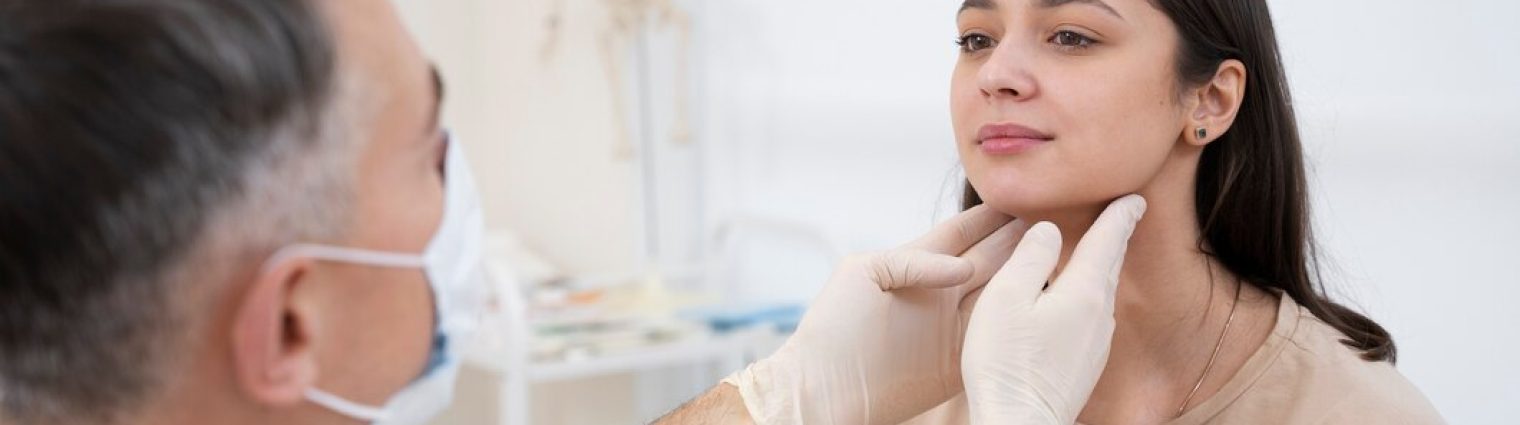
If you struggle with jaw tension, teeth grinding, or a bulky jawline that feels out of proportion, masseter Botox may be the solution you’ve been looking for. At Physician Aesthetic Institute, we use this specialized Botox treatment to help relax overactive jaw muscles, providing relief from TMJ symptoms while also creating a more balanced, slimmer facial profile. When performed with precision and medical expertise, masseter Botox can improve both comfort and appearance. In this post, I’ll explain how it works, who it’s best for, and why booking a consultation is the first step toward lasting relief and refined results.
Key Takeaways
- Masseter botox relaxes the chewing muscle to ease TMJ and teeth grinding while slimming a square or bulky jawline. It provides a minimally invasive and non-surgical solution for both functional relief and facial contouring.
- The treatment acts by blocking nerve signals to the masseter, alleviating clenching and pain without impacting surrounding tissue. Anticipate dual benefits that support oral health and enhance lower face symmetry.
- Results accumulate over one to six weeks and last three to six months on average, with maintenance necessary for continued comfort and contour. Track progress with photos or a symptom diary to measure both aesthetic and symptom changes.
- Perfect candidates typically have symptoms such as jaw tension, headaches, and bruxism resulting in excess dental wear or a pronounced lower face from hypertrophied muscles. Men and women looking for conservative jawline contouring or TMJ relief might do well following a consultation.
- Select an experienced injector familiar with facial anatomy because complications can include bruising, temporary chewing fatigue, or smile asymmetry, though these are rare. Discuss medical history, expectations, dose strategy, and a customized schedule at consultation.
- Get ready by steering clear of booze and blood thinners, showing up fresh-faced and clean, and double-checking allergies or previous toxin mishaps. Post-treatment, return to daily life, adhere to aftercare instructions, and schedule follow-ups every few months.
MASSSETER BOTOX Masseter Botox is a physician-administered injection that relaxes the masseter muscle to slim the lower face, soften jaw clenching and ease tension from bruxism. Employed in measured doses, it softens overdeveloped jaw contours within 4 to 6 weeks, preserving healthy chew and speech function. Results last approximately 3 to 6 months, and dosing and placement depend on bite pattern, muscle thickness and facial goals. For a lot of people, it pairs well with skin tightening or chin filler to even out the jawline. Typical side effects consist of slight ache or tenderness for 24 to 48 hours. Patients with severe TMJ pain may require a staged plan and bite guard. In the following paragraphs, I detail candidacy, dosing rationale, safety and timelines for apparent change.
What is Masseter Botox?
Known as Masseter Botox, this treatment is an injectable that targets the masseter muscle to relax the jaw, decrease clenching and grinding, and smooth away excess jaw bulk. It’s both medically motivated for TMJ pain and bruxism relief and cosmetic, where the goal is to slim a square jawline for a minimally invasive, non-surgical transformation that’s received wide buzz via social media and patient word-of-mouth.
1. The Muscle
The masseter sits beneath the cheekbone on the jaw’s outer edge and is one of the main muscles responsible for chewing and jaw closure. When overworked or hypertrophic, it can ache and become tender.
Long-term clenching or genetics can cause masseteric hypertrophy, resulting in lower face width and a square-shaped contour. Many patients request to sculpt this bulk down for a softer v-line contour non surgically.
Hypertrophy can fuel TMJ symptoms, including jaw fatigue, headaches, and soreness, particularly in bruxism. By relaxing the masseter, Botox can improve symmetry, ease tension during chewing, and reduce overload on the joint.
2. The Mechanism
Botulinum toxin blocks acetylcholine release at the neuromuscular junction, which weakens the masseter in a titrated, localized manner. Other surrounding tissues are not impacted when dosing and landmarks are accurate.
With the muscle activity down, clenching and grinding decline, which reduces pain and preserves teeth from wear. This same reduction in contractile force gradually slims the lower face.
Onset usually emerges within one week, results endure for approximately four to six months, and consecutive cycles may prolong the effectiveness. Research cites a fifteen to twenty-five percent volume decrease at six months, particularly with personalized regimens.
3. The Goal
Key objectives include alleviating TMJ pain, reducing bruxism severity, and sculpting a chiseled yet organic jawline.
Patients note they tend to have fewer morning headaches, less jaw soreness, and less dental damage from grinding.
This twofold effect, relief and shape, can be scheduled solo or in conjunction with fillers to harmonize midface breadth and jawline projection.
4. The Difference
Unlike forehead or crow’s feet Botox, jaw treatment targets a deeper, stronger muscle requiring greater total units and precise mapping. Techniques differ, ranging from ultrasound guidance to the six-point method for uniform distribution across the masseter.
It’s non surgical, reversible, and not the same as bony reduction or orthodontics. It is typically used in cases of masseteric hypertrophy. Contraindications include botulinum toxin allergy, pregnancy or breastfeeding, bleeding disorders, neuromuscular disease, and local skin infection.
Dual-Action Benefits

Not only does Masseter Botox relax the thick, rectangular chewing muscle but it changes lower-face contours. It pairs aesthetic refinement with symptom relief, serving two core needs: facial shaping and TMJ-related discomfort. Effects accumulate over two to eight weeks, persist for several months, and are amenable to maintenance.
Dimension | Aesthetic outcomes | Therapeutic outcomes |
|---|---|---|
Primary goal | Slimmer, more contoured jawline | Reduced TMJ pain and muscle tension |
Mechanism | De-bulks masseter via chemodenervation | Lowers overactivity, decreases clenching and grinding |
Onset | Visible at 2–4 weeks; peak at 6–8 weeks | Early relief in 1–3 weeks; stabilizes by 6–8 weeks |
Durability | Several months; extended with repeat sessions | Several months; improved function with upkeep |
Secondary effects | Softer lower-face width, refined angles | Fewer headaches, less jaw soreness, dental protection |
Aesthetic Slimming
Botox weakens the masseter so it works but does not overwork, which reduces bulk over time. As the muscle shrinks, the lower face narrows, frequently moving a square or heavy jaw into a more oval or balanced shape. For many women, this comes across as softer and more feminine. For men, it can define more crisply without a puffy appearance.
A lot of patients come in for this for a slimmer face when fillers or skin-tightening couldn’t tackle width from muscle. That provides dual-action benefits, great for those who clench under stress or during workouts and see flaring at the angle of the jaw.
Effects typically are evident within two to four weeks and peak within six to eight weeks as the muscle wastes away from disuse. Before-and-after photos, clinic galleries, and Instagram posts often underscore the step down in lower face width and crisper jawline.
The results should last for a few months. With consistent upkeep, contour benefits tend to pile up because continual dosing prevents rebound hypertrophy.
Therapeutic Relief
By targeting the masseter, it relieves symptoms associated with TMJ overactivity. In addition to reducing clench force, many patients report less jaw pain, fewer morning headaches, and ear pressure or facial fatigue.
Chronic bruxers see an advantage from less night grinding, which translates to fewer cracked fillings, less enamel abrasion, and less risk of gum recession. Others report less migraine trigger when jaw tension lessens, with easier chewing and less locking.
Relief can begin within 1 to 3 weeks. Most experience a consistent waning of soreness into week eight, then comfort for months with maintenance visits.
Are You a Candidate?
Masseter botox is designed for two goals: to ease overworked jaw muscles and to refine a wide or boxy lower face. It targets the masseter, the primary chewing muscle, and silences hyperactivity — no surgery or downtime required.
Common signs of suitability
Candidate’s that complain of jaw pain that intensifies in the evening, morning headaches due to nighttime clenching or clicking and stiffness associated with TMJ. Most have bruxism, which is grinding or clenching observed by a partner or evidenced by worn enamel or a night guard. Others notice facial muscle hypertrophy, a bulky or square jawline that feels hard when biting down, sometimes more on one side, which can make the face look asymmetrical in photos. Chronic jaw tension while working, driving or working out is another giveaway, particularly if heating pads, a soft diet, magnesium or splints have not provided relief. Adults 18 and older, in good health, not pregnant or nursing, with no neuromuscular disorders, such as myasthenia gravis, are common candidates.
Who benefits and why
Women and men alike pursue masseter botox for aesthetic and utility motives. Aesthetic objectives are to slim a boxy lower face, soften sharp angles, or balance one side of the jaw where the muscle is larger. Functional goals include reducing clench force to relieve TMJ pressure, tension headaches, and tooth wear. Expect a measured change: results start in 3 to 7 days, plateau by 2 to 4 weeks, and last about 3 to 6 months, with individual variation based on muscle size and chewing habits. Realistic expectations are that you should expect relief and contour, not a full cure for complex TMJ disorders.
Self-assessment checklist
- Do you wake with sore jaw muscles or tension headaches?
- Do you grind or clench? (Dentist, partner, worn teeth confirmed)
- Could you see or feel a solid lump at your jaw angle when you bite down?
- Is one side of your jaw more prominent in mirrors or pictures?
- Have a night guard, NSAIDs, or physical therapy provided limited relief?
- Are you 18 years or older, not pregnant or nursing, and do you have no neuromuscular disease?
- Are your goals clear? Slimmer jawline, pain relief, or both?
- They know impacts are incremental and ephemeral. If you checked several boxes, a targeted test helps validate the match. Comprehensive evaluation includes bite pattern, muscle bulk at rest and clench, symmetry, and discussion of diet, stress, and athletic habits that impact dosing and plan.
The Treatment Journey
Masseter Botox has a distinct, doctor-driven treatment journey that protects function while sculpting jaw contour. Below is the timeline of what happens, why it is important, and how we customize each step to your anatomy and objectives.
Consultation and candidacy: assess masseter bulk, bite, TMJ status, and aesthetic aims. Review medical history and medications to confirm suitability.
Planning and dosing: map injection points along the masseter borders for symmetry and safety. Set expectations for onset 1 to 2 weeks and full effect at two weeks.
Procedure: quick session (about 10 to 20 minutes) using fine needles and small aliquots per site. There is negligible pain and you can jump back into your regular routine immediately.
Early recovery: expect brief redness, swelling, or mild bruising that resolves in hours to a few days.
Follow-up and maintenance: Evaluate function and contour at two to four weeks. To maintain jawline slimming, schedule maintenance every three to six months.
Specialized injectors frequently in joint practices with medical dentistry or dermatology, like Pelican Landing Dental, add precision with occlusal insight and facial mapping.
Consultation
Your initial visit is all about structure and function. I palpate the masseter at rest and clench, check for hypertrophy, and examine bite patterns that may fuel overuse. I record facial shape, zygomatic width, mandibular angle, and soft-tissue thickness because these influence visible change.
We talk TMJ symptoms: morning jaw pain, tension headaches, tooth wear, and cosmetic objectives: softening a square lower face while maintaining bite strength for life. History of neuromuscular disorders, whether pregnant, and previous botulinum toxin response.
Planning can employ visual evaluation, bitewing analysis and, as warranted, photographs or ultrasound to perfect depth and landmarks. We align on realistic outcomes: functional relief may start before contour shifts while slimming evolves over weeks, not days.
Preparation
To reduce bruising risk, avoid alcohol, aspirin, NSAIDs, high-dose omega-3s and herbal blood thinners for a few days.
Come in with a clean face, no makeup. Let us know about allergies or previous reactions. We can use topical anesthetic or ice as needed.
Injection
We inject discrete units at several locations along the masseter’s superficial and deep fibers, avoiding the risorius and parotid duct to preserve smile symmetry and gland function. The treatment itself typically lasts 10 to 20 minutes, during which most patients report brief, mild stings from fine needles.
You can return to normal activities immediately. Some redness, swelling, or slight bruising can occur and dissipate within hours to days. Softening begins to be visible in one to two weeks, peaks at two weeks, and lasts for several months, so maintenance is planned every three to six months to hold results.
Results and Longevity

Masseter botox relaxes hyperactive jaw muscles to reduce clenching and sculpt lower-face narrowness. Transformations accrue incrementally and then diminish gradually, so effects vary with dosage, musculature, and the speed at which you metabolize neurochemicals. It needs upkeep for consistent shape and flare control.
Effect type | Onset (average) | Full effect | Typical duration |
|---|---|---|---|
Aesthetic slimming | 2–7 days for early softening; 1–2 weeks visible | 4–6 weeks | 4–6 months (often 3–6 months overall) |
Therapeutic (tension, grinding) | 2–3 days for relief; 1–2 weeks clearer change | 3–4 weeks | 3–6 months; up to 9 months with repeat sessions in some |
The Timeline
Most patients experience initial loosening of jaw tension within 2 to 3 days, with more obvious relief by week one. Facial slimming can take hold within 1 to 2 weeks as the masseter relaxes and the overlying contour appears smoother.
Peak results come later. Anticipate total strength softening and the most dental taper of the jaw angle in approximately 4 to 6 weeks. That window comes in handy to evaluate dose accuracy and symmetry.
Timelines change. Bigger or denser muscles, greater baseline bite force, and a quick metabolism can push back onset or compress the visible window. A lighter dose produces a subtler variation of the organism, a slower change, and a lower tone. A higher dose works faster, but if not well adapted, over-weakens.
Record your success. Take front and three-quarter photos every week for six weeks, in the same light and with the same head position. If you grind, maintain a brief journal of morning jaw soreness, headache occurrence, and night guard usage. These markers assist in calibrating the following session.
The Duration
Anticipate masseter botox to persist for approximately 4 to 6 months, with a lot falling within a three to six month range. Muscle activity returns slowly, not all at once, and you may initially feel heaviness dissipate when chewing prior to contour completely bouncing back.
Maintenance is important. Maintenance treatments maintain jawline definition and provide TMJ or bruxism relief. If spacing gets too long, the muscle can bulk back up and soften previous gains.
Results, and some patients maintain results longer after a few cycles. With maintenance sessions, the muscle can decondition, so fewer units and fewer visits may suffice. A fraction still experiences motion coming back around two months; dose or location adjustments typically assist.
Create a custom plan with your provider. Typical intervals are every 4 to 5 months for aesthetics and every 3 to 4 months initially for bruxism, then increase as stability returns.
Safety and Considerations
Masseter botox is safe in the hands of a skilled clinician that understands facial anatomy, dosing, and vector planning. Results are contingent on exact positioning and individual evaluation of the patient’s bite, level of bruxism, and pre-existing facial symmetry.
Typical side effects are minor and temporary. Anticipate spot bruising, minor swelling and tenderness at injection sites for one to three days. There may be a dull ache when chewing as the muscle adjusts. Very occasional headaches may occur within the initial 24 to 48 hours. To reduce the risk of migration or patchy absorption, do not rub the area, apply pressure with face down massage or chin straps, or exercise for 24 hours. Cool compresses work wonders for swelling. Makeup can be applied after a few hours if the skin remains intact.
Complications are technique- and anatomy-dependent. Smile asymmetry due to risorius involvement is not reversible and can take months to fade as the toxin dissipates, so prevention with accurate placement and a posterior safety margin is important. Addressing only deep fibers will cause the more superficial muscle to bunch up in a ridge-like manner that appears sharp during clenching. Temporary jaw ache is common with large doses or tiny jaws. Dose titrating between sessions minimizes this. If product tracks too far forward or shallow, dimpling or lip corner changes can occur. Parotid effects, which involve reduced saliva, are rare and temporary as other glands pick up the slack. Adequate depth and lateral avoidance of the gland also decrease this risk.
Provider selection is your primary safety lever. Select a clinician with intimate anatomical understanding of the masseter’s superficial and deep bellies, parotid location, facial nerve course, and safe zones. Accurate injection method, consistent follow-up, and ongoing education all assist in avoiding mistakes. A patient-specific plan guides dose, often 20 to 50 units per side, and mapping based on jaw width, chewing forces, TMJ symptoms, and aesthetic goals. Safety in the back for smile motion.
Talk about long-term questions, too. Animal models indicate osteopenic alterations when masticatory muscles are compromised. Human data are sparse. Patients need to be aware of the possible bone density implications and discuss the risks and benefits with their physician, particularly if they are planning on repeated treatments.
Price in the US is usually between $300 and $1,000 per session, depending on the dose, brand, and expert. Insurance might help with medically indicated bruxism cases, but aesthetic goals are typically a self-pay expense.
Conclusion
Masseter botox provides clean lines, less jaw strain and a softer appearance. Chewers and clenchers experience tangible benefits quickly. Many experience relief in 7 to 10 days. Jaw width slims over 8 to 12 weeks. Doses remain accurate. Units scale to your bite force, muscle size and goal. Consider 20 to 30 units per side to begin, then titrate.
Dangers remain minimal with an experienced clinician. A mild ache, short chew fatigue, or small bruises dissipate fast. Because strict dosing and mapped injection points are adhered to, smile drift is avoided.
A smart strategy combines Botox with bite guards, stress management, and dental exams. Touch-ups occur every 3 to 4 months, then every 6 months as the muscle relaxes.
Ready for a relaxed jaw and a clean lower face? Schedule a consult with Dr. Triana today.
Frequently Asked Questions
Does masseter Botox help with jaw clenching and face slimming?
Yes. Masseter Botox relaxes overactive masseter muscles. This can decrease teeth grinding, jaw tightness, and headaches. It can trim a square jawline by reducing muscle volume over time. Results differ by anatomy and dose. A trained medical provider should evaluate candidacy.
How long do masseter Botox results last?
Results usually emerge in 7 to 14 days, with maximum effect at 4 to 6 weeks. Functional relief can last 3 to 4 months. Aesthetic slimming can last 4 to 6 months or more with touch-up treatments. Touch-up sessions maintain results.
Is the procedure painful and what is the downtime?
Pain is slight. All describe fast pinches. The session lasts 10 to 15 minutes. You can anticipate slight swelling or soreness for 24 to 48 hours. You can return the same day to normal activity. Refrain from intense physical activity and facial massages for 24 hours.
How many units of Botox are used for the masseter?
Dosing varies based on muscle size, treatment goals and prior treatments. Common ranges are 20 to 40 units per side, occasionally on the higher side for larger muscles. A skilled injector will tailor the dose following an in-person examination and bite evaluation.
Are there risks or side effects with masseter Botox?
Typical side effects are minor soreness, bruising, or chewing fatigue. Uncommon risks are asymmetry or smile changes if diffusion occurs. Opting for an experienced medical professional minimizes risks. Review your medical history and medications before treatment.
Who is a good candidate for masseter Botox?
Perfect patients have jaw clenching, teeth grinding, tension headaches, or a bulky masseter causing a square jawline. Be in good health and have realistic expectations. It is not advised if you are pregnant or nursing.
Can masseter Botox affect chewing or speech?
Occasional chewing weariness, particularly with hard foods. This typically gets better within one to two weeks. Changes in speech are rare if injected properly. The right technique and dosing preserve natural function.