

When it comes to combating fine lines and wrinkles, there are countless treatments out there promising miraculous results—but few can match the effectiveness of microneedling. Over the years, I’ve seen this innovative treatment work wonders for clients who are looking to turn back the clock on their skin without invasive procedures. Microneedling isn’t just about smoothening out wrinkles; it stimulates your skin’s natural collagen production, resulting in smoother, firmer, and more youthful-looking skin. In this post, I’ll be diving into how microneedling works, why it’s one of the best solutions for fine lines and wrinkles, and how you can incorporate it into your skincare routine for lasting, natural-looking results.
- Key Takeaways
- The Science of Skin Renewal
- Customizing Your Treatment
- The Treatment Journey
- Maximizing Your Results
- Beyond The Hype
- What To Expect
- Conclusion
- Frequently Asked Questions
- How does microneedling reduce fine lines and wrinkles?
- Is microneedling safe for all skin types?
- How many sessions do I need to see results?
- What does the treatment feel like, and is there downtime?
- How can I maximize results after microneedling?
- What results are realistic, and how long do they last?
- Who should avoid microneedling?
Key Takeaways
- Microneedling employs precise micro-injury to initiate collagen and elastin generation, repairing fine lines, wrinkles, texture, and firmness with quantifiable dermal remodeling. Compared to lasers and peels, it preserves the epidermis more, with customizable intensity and often briefer downtime.
- Best results require customization that matches needle depth, device type, and skin condition, with professional, FDA-cleared systems providing reliable penetration, sterile technique, and superior outcomes compared to home rollers. Identify a plan that customizes treatment to pigment risk, sensitivity, and specific targets like periorbital lines or acne scars.
- Anticipate a comprehensive treatment experience inclusive of pre-care, topical numbing, 30 to 60 minutes of targeted needling with disposable cartridges, and 24 to 48 hours of redness and inflammation. Post care should include gentle cleansing, hydrating serums like hyaluronic acid, and diligent sun protection to minimize complications and promote collagen remodeling.
- Schedule a series of sessions 4 to 6 weeks apart, then refresh every 6 to 12 months as collagen takes time to mature. Pair with proven treatments like botulinum toxin, fillers, or chemical peels and layer on antioxidants and retinoids as tolerated to boost wrinkle-busting.
- Safety demands careful screening and technique as side effects may involve erythema, dryness, and rare risks such as hyperpigmentation or infection. Steer clear of treatment if you have an active infection, severe eczema, keloid tendency, or if you’re pregnant, actively breaking out, or have cold sores.
- Results build over time, with initial smoothing seen within 2 to 4 weeks and continued softening of deeper lines over multiple sessions. Augment longevity with daily broad spectrum sunscreen, regular moisturization, and a balanced regimen that favors barrier integrity and pigmentation management.
Microneedling for fine lines and wrinkles is a collagen-induction treatment that utilizes regulated micro-injuries to stimulate dermal repair and new collagen and elastin growth. Accelerating epidermal turnover and dermal remodeling, it blunts fine rhytids, smooths texture, and increases skin firmness with minimal downtime.
Results accumulate over three to six sessions, spaced four to six weeks apart, with peak change at eight to twelve weeks. Pairing with PRF or medical-grade skincare can give your results even more impact.
The paragraphs below discuss technique, hygiene, and suitability.
The Science of Skin Renewal
The science of skin renewal Microneedling renews skin by generating exact micro-injuries which initiate a controlled healing cascade. This stimulates collagen and elastin production, accelerates cell turnover, and enhances ingredient absorption, which are crucial actions for smoother wrinkles, more even tone, and tighter texture.
Unlike lasers or chemical peels, it addresses the dermis with far less heat or chemical burden, yet still capitalizes on the body’s repair biology.
1. Controlled Micro-Injury
Minute needles create consistent punctures throughout the epidermis and upper dermis, activating the wound cascade without ablating tissue. This early inflammatory phase lasts a few days and prepares the body for repair by recruiting growth factors and platelets.
The wounds are regulated by needle length, velocity and number of passes to prevent actual harm or scarring. Robotic pens and radiofrequency microneedling introduce accuracy and energy dosing.
Manual rollers, automated pen devices and radiofrequency microneedling are the three types.
As fibroblasts activate, new collagen deposits and matrix remodeling decrease wrinkle depth and enhance texture. This precise micro-injury distances micro-needling from more aggressive resurfacing that ablates or thermally denatures larger amounts of skin.
2. Collagen Induction
Percutaneous collagen induction increases type I and III collagen, which boosts dermal density and creates a healthier, plumper appearance.
Additional collagen fibers dull current wrinkles and delay new creases by bolstering the support matrix. Improvements in elasticity prevent premature sag.
Results accumulate in cycles. Multiple sessions weeks apart maximize collagen generation, with enhancements frequently observed in weeks and persisting months to years depending on skin type, concern, and treatment depth.
3. Elastin Remodeling
Needle-generated signals encourage elastin fiber assembly, enhancing recoil and flexibility so skin bounces back instead of creasing.
Improved elastin contributes to softening deeper furrows, such as nasolabial and marionette areas when combined with collagen improvements.
Elastin is key to a firm, toned face as we age, and its consistent remodeling over weeks underlies sustained texture and wrinkle transformations.
4. Cellular Regeneration
Microneedling, a versatile treatment option, accelerates keratinocyte turnover, replacing damaged cells with new layers that reflect light more uniformly. This skin rejuvenation microneedling technique evens tone, decreases mild pigmentation, and helps with various skin conditions, making scars appear flatter. It effectively addresses common skin concerns, including eye wrinkles, by promoting collagen production and enhancing skin health.
More than just a cosmetic procedure for wrinkles, microneedling sessions are also effective for acne scars and stretch marks. By using fine needles to create tiny punctures, this treatment encourages a natural healing process that rearranges collagen and softens edges. As a result, patients can achieve a more radiant, luminous appearance while addressing specific skin concerns.
The outcomes of microneedling treatments can be remarkable, offering improvements in skin texture and elasticity. This clinical application of microneedling not only enhances the skin’s overall appearance but also serves as an effective scar treatment. With multiple treatments, patients can experience significant skin remodeling and rejuvenation, leading to youthful skin and improved confidence.
5. Enhanced Absorption
Microchannels created by the needles boost transdermal delivery. Hyaluronic acid, peptides, and antioxidants penetrate targets more effectively after treatment.
Follow with clean, targeted serums immediately and in the first 24 to 72 hours to stack gains while channels are still open. This increased absorption is what distinguishes microneedling from stand-alone topicals.
Compared with lasers and peels, microneedling’s evolution—automated pens, radiofrequency, and combinations—enhances safety and outcomes with less downtime. The underlying biology of micro-injury and collagen stimulation continues to be its main engine.
Customizing Your Treatment
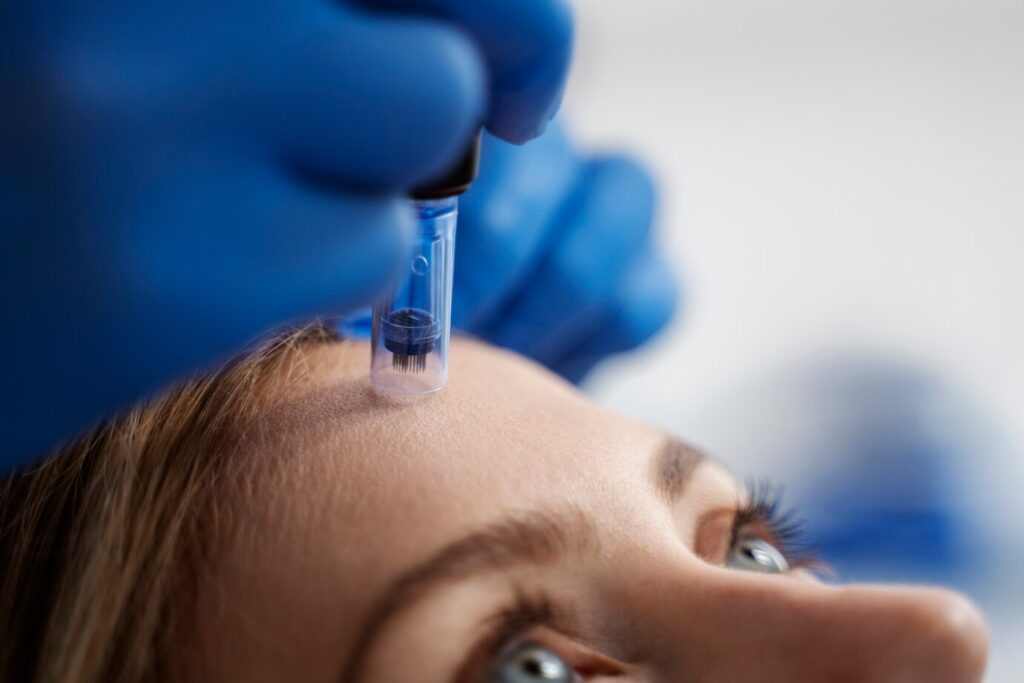
Microneedling is most effective when customized to your skin, objectives, and tolerance. Tuning needle depth, device type, session spacing and add-ons can focus on fine lines or deeper wrinkles and still maintain downtime at a reasonable level.
Schedules typically consist of 3 to 6 treatments, scheduled 4 to 6 weeks apart, with maintenance at 6 to 12 months. Results may last months to years, depending on skin type, concern and treatment depth.
Needle Depth
Depth control guides where collagen remodeling takes place. Shallow passes concentrate on the epidermis to even out fine lines and crepey texture around the eyes. Mid-dermal depths tackle etched lines on the cheeks and forehead.
Deeper passes penetrate to the reticular dermis for deep wrinkles, scars, and stretch marks. By selecting the correct needle length, you reduce post-inflammatory hyperpigmentation and excessive erythema, and you improve uniform collagen induction.
Frequency needs to be in line with depth and recovery. Lighter sessions can repeat sooner. Deeper work requires more healing. When indicated, fractional RF with variable depth administers heat dermally for more intense neocollagenesis while preserving the surface. This treatment is ideal for tight wrinkles and laxity.
Concern | Typical depth (mm) | Notes |
|---|---|---|
Brightening, texture, pore size | 0.25–0.5 | Minimal downtime; suitable for sensitive zones |
Periocular fine lines | 0.3 to 0.6 | Gentle passes, no bruising |
Cheek/forehead fine-to-moderate lines | 0.7–1.0 | Standard anti-wrinkle setting |
Deeper wrinkles, laxity | 1.0–1.5 | Think RF microneedling |
Acne scars/ice-pick or boxcar | 1.5–2.0 | Staged approach, space sessions |
Stretch marks | 1.5 to 2.0 | Supplement with RF and PRP as needed |
Device Type
Pen devices produce vertical, uniform channels at variable depths and speed, providing even distribution and controlled trauma that is highly predictable. Dermarollers are cheap yet crude, produce slanting lacerations, tend to provide uneven results and increased irritation.
Radiofrequency microneedling, which couples needles with thermal energy, tightens dermal collagen and improves deeper lines and scars with usually longer downtime and better lifting.
Professional systems offer more torque, better needles and sterility than home rollers, resulting in more even neocollagenesis and reduced risk. Device selection impacts treatment intensity, erythema downtime and clinical outcome benefits. Select from FDA-cleared platforms for safety and validated results.
Skin Condition
A targeted skin check directs protocol, involves, and whether to combine treatments such as PRP or fractional RF. It alerts you when to decelerate, change passes per zone, or stop treatment.
Typically suitable: photoaging, fine lines, enlarged pores, mild to moderate acne scars, superficial pigment from sun damage with cautious prep, striae.
Use caution and modify for active acne flares, melasma with pre-treatment, gentle depth, and strict sun care, thin or steroid-damaged skin, recent isotretinoin use, and darker skin tones prone to post-inflammatory hyperpigmentation with lower energy and longer intervals.
Avoid or defer active infections, open wounds, keloid history without specialist oversight, uncontrolled eczema or psoriasis on the area, and pregnancy due to limited safety data.
Customization extends to at-home care: gentle cleansers, bland moisturizers, high-SPF sunscreen, and avoiding acids, retinoids, and heat exposure for several days.
Schedules differ according to skin and objectives, but three to six sessions, four to six weeks apart, then maintenance every six to twelve months is typical. Pairing microneedling with PRP or RF can increase results for etched lines or scars.
The Treatment Journey
Microneedling thrives when the course is open from consult to care, as these microneedling sessions reduce risk, enhance comfort, and co-create lasting results.
Before Your Session
Begin with a targeted consult. We discuss history, current skincare, procedures, and any scar or hyperpigmentation tendency. Photos give you a benchmark.
A plan guides the target zones, needle depth spectrum ranging from 0.5 to 2.0 mm depending on the skin, number of sessions, and interval at 4 to 6 weeks to align with collagen cycles. Plan with margins, as light redness can persist for a couple of days.
Avoid strong actives for 3 to 5 days. Stop retinoids, exfoliating acids, benzoyl peroxide, and harsh scrubs. Minimize sun exposure and use SPF 50.
Avoid blood thinners and supplements when medically possible, such as aspirin and high-dose fish oil, and cut out alcohol for 24 hours to minimize bruising. Come in with cleansed, makeup-free skin.
Pre‑treatment checklist:
- Reveal pregnancy, keloid history, isotretinoin, recent peels and lasers, herpes simplex.
- Stop sunbathing and tanning beds; use broad‑spectrum SPF.
- Retinoids and acids should have a 3 to 5 days hold. Retain a mild cleanser and use a plain moisturizer alone.
- Skip NSAIDs and fish oil if cleared by your clinician.
- Plan downtime: possible redness and swelling 24–72 hours.
- Hydrate well; sleep well the night before.
During The Procedure
Topical anesthetic remains on for 20 to 30 minutes to numb. Then, the skin is cleansed and prepped with antiseptic.
Sterile, single-use needle cartridges and barrier techniques safeguard hygiene and minimize infection risk. You’ll experience swift, minor stings as the tool moves in horizontal, cross-hatch, and circular strokes aligned with the face’s angles.
Depth and passes vary by zone, for example, shallower on the forehead and deeper in thicker areas or etched lines. Most sessions last 30 to 60 minutes depending on the area. Precision is consistent and controlled to induce dermal remodeling in the absence of excess trauma.
Immediately After
Anticipate pink to red skin with drippy swelling and heat for 24 to 48 hours. It frequently feels like a sunburn. Certain patients experience tiny bleeding that immediately resolves, and minor flaking can develop in the subsequent days as dull cells flake away to expose new, smoother skin.
Apply a mild moisturizer and hydrating serums. Avoid harsh actives, sun, hot showers, saunas, and hard workouts for a few days to minimize irritation and swelling.
Common sensations include redness, puffiness, tightness, and a mild sting. Possible symptoms are dryness and peeling.
- Do: cool compresses, bland moisturizer, mineral SPF 50, light cleansing.
- Don’t pick flakes, use retinoids or acids, or apply makeup for 24 hours.
Recovery tip: Book ahead if you have events. Mild reactions may be evident for several days.
Results accumulate over weeks as collagen develops and skin appears more taut and even. Schedule three to five sessions, four to six weeks apart, then maintenance every six to twelve months depending on goals.
Maximizing Your Results
Your results will be even better when in-clinic microneedling sessions are combined with clever adjuncts, delivered at an appropriate pace in a series, and supported by consistent at-home skincare routines. Results are a factor of dedication to the habit and both treatment options.
Complementary Therapies
Combine microneedling with botulinum toxin to relax dynamic lines while collagen rebuilds to a smoother surface. Add hyaluronic acid fillers to re-volumize etched folds around the mouth or midface as needles instigate remodeling in the upper dermis.
Chemical peels, light to medium depth, assist in lifting dyspigmentation and refining texture. Schedule peels and needling on separate visits to minimize irritation. PRP or PRF provide growth factors that can accelerate healing and collagen synthesis.
Many patients experience more consistent growth over months when microneedling is paired with PRP. Afterwards, antioxidant serums, such as vitamin C and ferulic acid, and retinoids, applied once the skin has settled, promote collagen regrowth and minimize oxidative damage.
Combination care solves more than one concern at once: fine lines at the crow’s feet, shallow acne scars, and uneven tone can all be addressed in a single plan. A practical list includes botulinum toxin for crow’s feet and frown lines, HA fillers for nasolabial folds and perioral lines, PRP/PRF with needling for global firmness, light chemical peels for pigment and texture, and topical vitamin C in the mornings and a gentle retinoid at night after healing.
Session Frequency
Design a 3 to 6 session series, separated by 4 to 6-week intervals, to stimulate collagen remodeling and permit downtime. Some mild redness, swelling, and sensitivity is normal and will settle in a few days.
Avoid harsh products and direct sun for at least a week to aid healing. Many experience continued improvements for months, particularly with PRP or a personalized protocol layered on.
Maintenance sustains firmness: schedule microneedling every 6–12 months, adjusted to age, skin type, depth of wrinkles, and prior response. Sample paths: early fine lines—three sessions at 4-week intervals, then yearly maintenance; moderate periorbital lines—four sessions at 4–6 weeks with botulinum toxin at session one, maintenance at 9–12 months; mixed texture and pigment—five sessions plus alternating light peels, maintenance every 6–9 months.
Studies suggest these results can last months to years and depend on the depth of the treatment and lifestyle factors.
Long-Term Care
Daily sun defense is a must. Apply broad-spectrum SPF 50 and reapply every 2 hours outdoors. Wear a hat and sunglasses.
Keep skincare simple in the first days: gentle cleanser, soothing moisturizer, and no acids or retinoids until tenderness resolves. Then phase back antioxidants in the morning and low strength retinoid at night as tolerated.
- Use SPF 50+ daily; avoid midday sun.
- Moisturize twice daily; pick ceramides or glycerin.
- Vitamin C in the morning, retinoid at night once healed.
- Avoid smoking; limit alcohol; prioritize sleep and stress control.
- Back skin with protein, omega-3s, and lots of water.
- Schedule maintenance microneedling every 6–12 months.
- Pause exfoliants 3–5 days post-session; resume slowly.
Beyond The Hype
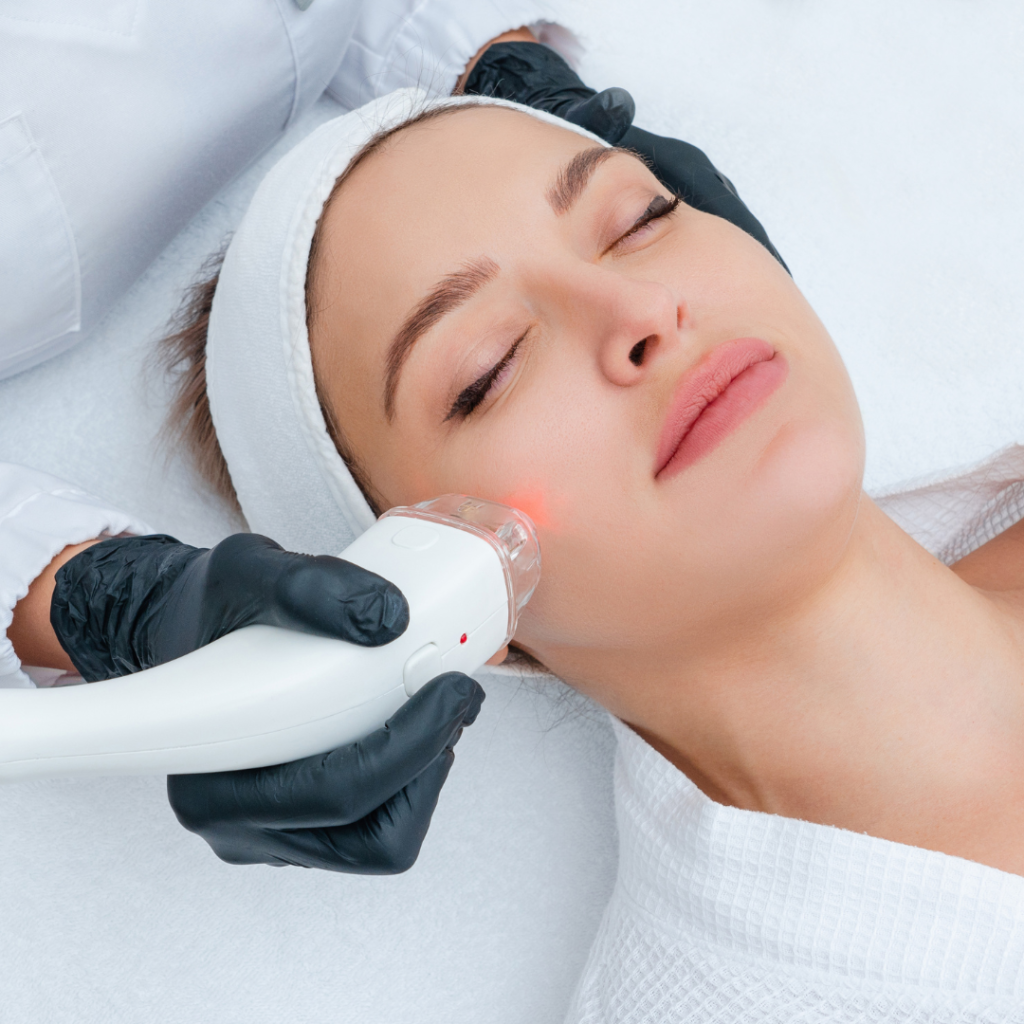
Microneedling can smooth away fine lines and mild-to-moderate wrinkles by inducing a precise wound-heal response that stimulates collagen and elastin. Results accumulate over weeks, frequently showing during the first month, and tend to remain for months to years, depending on your skin type, age, depth of treatment, and aftercare.
A normal session lasts approximately 30 minutes, and redness or slight irritation might persist for several hours to days. Maintenance every 6 to 12 months maintains gains without over-treating.
Professional vs. Home
Clinical microneedling harnesses automated pen devices that drive sterile needles vertically with precise depths up to 2.5 mm and adjustable speeds to produce thousands of consistent microchannels. This accuracy is important for collagen induction and safe coverage over diverse facial contours.
Home derma rollers, on the other hand, are manual, typically shallow, and create angled microtears. They are therefore quite limited for any meaningful wrinkle change.
For deep wrinkles, acne scars and etched lines, professional treatments beat DIY because they get down to the dermis in a controlled, reproducible manner. Adjunct protocols such as topical growth factors or PRF deposited into fresh channels can help promote remodeling and texture.
Home technique risks infection, post-inflammatory hyperpigmentation and scarring. Reusing rollers, poor disinfection or rolling over active acne increases the risk of bacterial transmission.
Even a gentle press and irregular passes will result in scratches, not clean channels.
Feature | Professional Microneedling | Home Derma Roller |
|---|---|---|
Needle depth | 0.2–2.5 mm, calibrated |
|
0.2–0.5 mm, fixed |
|
|
Mechanism | Motorized vertical stamping | Manual rolling, angled |
|---|---|---|
Concerns | Fine lines, moderate wrinkles, scars | Texture, product absorption |
Safety | Medical-grade sterility, protocols | Variable hygiene, greater misuse risk |
Results | Controlled collagen induction | Small, superficial transformation |
Potential Side Effects
Common effects after microneedling sessions include mild erythema, swelling, tightness, and temporary dryness, typically peaking on days one to two and subsiding within a few days. A bland moisturizer and broad-spectrum sunscreen can alleviate irritation during this healing process. Less common but noteworthy effects include transient hyperpigmentation, particularly in darker skin tones without proper prep, as well as infection, prolonged redness, or persistent scarring. Factors such as technique, device quality, and skin prep significantly contribute to these risks.
Post-care is crucial following microneedling treatments. It’s advisable to avoid acids, retinoids, scrubs, and hot workouts for 48 to 72 hours. Sun exposure should also be minimized, and a mild cleanser along with a moisturizing cream should be used to maintain clean skin.
Keeping hands away from the face is essential to prevent irritation and potential infection. Powerful actives should be avoided until the skin barrier calms down. After three to five days, if the skin appears stable, retinoids can be gradually reintroduced into the skincare routine.
Proper post-care is vital for optimal outcomes microneedling, ensuring that the skin can effectively recover and reap the benefits of this innovative cosmetic procedure.
Unsuitable Candidates
Do not microneedle over active infections, severe eczema, psoriasis flares, or anyone with a history of keloid scarring. The risk of abnormal scarring is not worth it.
Pregnant or lactating patients, those on isotretinoin over the past 6 to 12 months, or with bleeding disorders should refrain from the treatment. Delay if there is active acne, dermatitis, or a cold sore. Pre-treat herpes-prone zones.
Use a contraindication checklist: active infection, recent isotretinoin, abnormal scarring, impaired healing, anticoagulants, uncontrolled diabetes, immunosuppression, pregnancy, and unprotected sun exposure.
Realistic expectations are important. Collagen needs time to lay down and remodel. Think in terms of a series, allow for recovery, and maintain gains with occasional visits.
What To Expect
Microneedling sessions induce a wound-heal cycle with precision, generating new collagen and elastin over weeks, not days. Expect slow transformation and incremental improvements each time, influenced by age, skin type, and needle length. Patience and daily care are essential for effective skin rejuvenation.
The Healing Timeline
Immediately post-treatment, skin exhibits minimal redness, mild swelling, and a tight sensation for 1 to 3 days. Most patients are back to work the same or next day with little recovery period. Makeup can usually resume after 24 hours if the skin is calm. For optimal results, consider incorporating microneedling sessions into your skincare routine.
From days 3 to 5, dull surface cells may begin to flake or peel. This is standard turnover and will frequently expose a sleeker, newer appearance underneath. Drink water, do not pick, use a mild cleanser, and a bland moisturizer to enhance the healing process.
Within 2 to 4 weeks, skin begins to feel smoother as early remodeling takes hold. Noticeable improvements in texture and tone may appear around 3 to 4 weeks. Deeper passes or combination therapies, such as radiofrequency or microneedling treatments, can add a few additional days of downtime but yield more powerful results for deeply etched lines.
Collagen remodeling extends beyond the initial month. Most experience increased firmness and wrinkle softening within 5 to 8 weeks and maximum collagen activity between 9 and 12 weeks. Schedule 3 to 6 sessions, 4 to 6 weeks apart, to compound upgrades through this collagen window, especially if you’re targeting specific skin concerns.
Maybe a nice little timeline graphic that catches redness from days 1 to 3, flaking from days 3 to 5, smooth feel from weeks 2 to 4, visible firmness from weeks 5 to 8, and peak remodeling from weeks 9 to 12.
The Visible Changes
Early results are a skin with a smoother surface, more refined-looking pores, and an even tone. Fine lines around the eyes and mouth blur as hydration and microvascular flow enhance. Skin tends to appear a shade more radiant by weeks two to three.
With additional sessions, more pronounced wrinkles and certain acne or surgical scars begin to fade in layers. Deep-set forehead lines or sleep lines take a while to show improvement and typically require a deeper pass or an additional pass for enhanced lift.
As collagen and ground substance regenerate, the skin becomes more plump and better able to recoil. Firmness begins to increase between weeks five and eight, and weeks nine to twelve can often deliver the most dramatic smoothing of creases and texture. Results just get better week by week, with a nice organic shift, rather than a crash.
Most adults require three to six sessions to reduce wrinkles meaningfully, then maintenance once or twice a year. Expect a quick return to daily tasks, but protect the barrier: gentle care, broad-spectrum SPF, and no harsh actives for a few days.
With time, it appears more youthful, radiant, and even without looking caked on.
Conclusion
Microneedling helps soften fine lines and light wrinkles with persistent improvements. Petite needles ignite intentional micro-trauma. Skin deposits new collagen and elastin. Texture appears smoother. Tone appears more even. Pores appear diminished in size. Most people notice a definitive difference by week 6 to 8, with gains peaking by month 3.
Results last with intelligent maintenance. Apply SPF 50, a gentle cleanser, and a peptide or growth factor serum. Combine with PRF for accelerated healing. Space sessions four to six weeks apart. Schedule three to four sessions for a complete series, then one maintenance session every six to twelve months.
Let’s carve out a roadmap that meets your skin, schedule, and goals. Schedule a consultation with Physician Aesthetic Institute. Let’s construct a result that appears genuine and endures.
Frequently Asked Questions
How does microneedling reduce fine lines and wrinkles?
Microneedling, a versatile treatment option, produces controlled micro-injuries that stimulate collagen production and elastin, enhancing skin tightness and suppleness. With multiple microneedling sessions, texture becomes smoother, and lines appear softer, particularly with effective procedure care.
Is microneedling safe for all skin types?
Yes, when performed by a skincare professional, microneedling treatments are compatible with nearly all skin tones and types. However, individuals with active breakouts, infections, or specific skin concerns should avoid this procedure.
How many sessions do I need to see results?
The majority of people notice a difference after three to six microneedling sessions, each spaced four to six weeks apart. Fine lines tend to respond after the second session, while deeper wrinkles might require additional treatments. Your provider will customize the plan to your specific skin concerns.
What does the treatment feel like, and is there downtime?
You might experience slight pressure or tingling during microneedling sessions. A topical anesthetic enhances comfort, while aftercare supports healing, allowing most folks to return to business the following day after this skin rejuvenation procedure.
How can I maximize results after microneedling?
To enhance skin health after microneedling sessions, moisturize with a mild cleanser and fragrance-free moisturizer. Avoid makeup, heavy exercise, or sun exposure for 24 to 48 hours, and wear a broad spectrum SPF 50 daily. Incorporate topical serums with peptides and hyaluronic acid as recommended, while skipping retinoids and acids for a couple of days.
What results are realistic, and how long do they last?
Think smoother texture and softer lines with microneedling sessions, not an immediate ‘facelift.’ Results can last six to twelve months with upkeep, while periodic treatments and sunscreen support maintain skin health.
Who should avoid microneedling?
Avoid microneedling sessions if you have active acne, eczema flare-ups, open wounds, a keloid history, or blood clotting disorders, or if you’re pregnant without medical clearance. Recent isotretinoin use must wait, ensuring skin health through a professional check-up.