
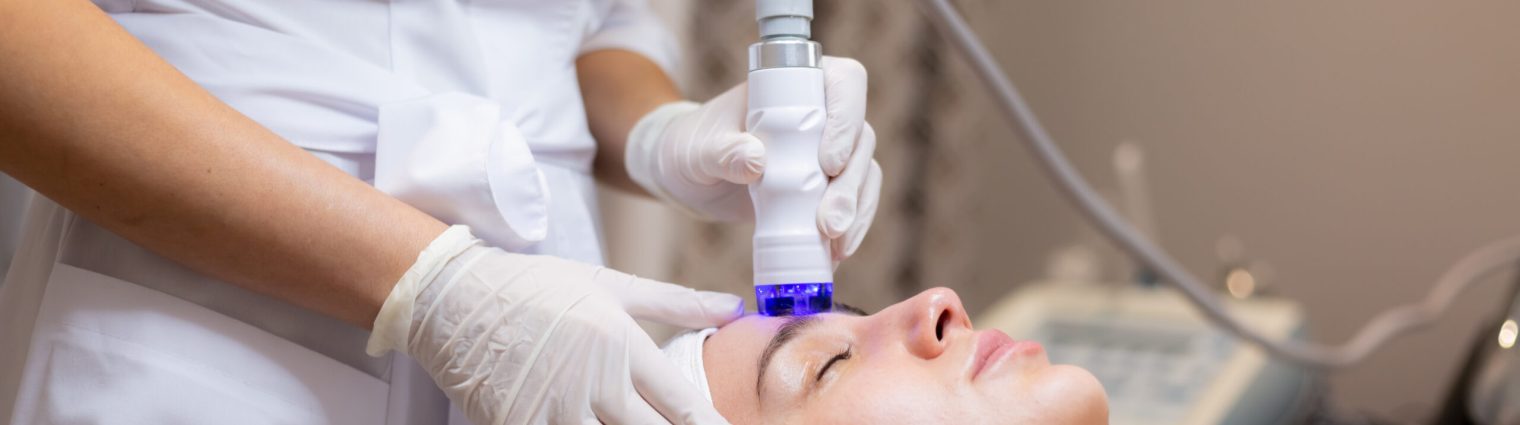
At Physician Aesthetic Institute in Bonita Springs , we perform hundreds of microneedling treatments each year—and we’ve seen firsthand what separates good results from truly transformative ones. The secret isn’t just in the treatment itself, but in the aftercare and skincare routine that follows. Our team of aesthetic specialists has developed a post-microneedling protocol based on years of clinical experience and patient outcomes, combining medical-grade skincare products with proven recovery strategies. In this guide, we’ll share exactly how to care for your skin after microneedling—so you can maximize collagen production, minimize irritation, and achieve that smooth, radiant glow that keeps improving week after week.
Key Takeaways
- Microneedling is a minimally invasive procedure that encourages collagen production to combat wrinkles, scars, and large pores, delivering remarkable skin rejuvenation.
- The key to healing and maximizing microneedling benefits is proper post-treatment care, such as gentle cleansing, moisturizing, and sun protection.
- Steer clear of strong skincare ingredients, like retinol and AHAs, right after microneedling to avoid irritation and to aid in healing.
- Hydration is key post microneedling. Nourishing moisturizers and hydrating serums on the skin are important, combined with hydration from the inside via water and a balanced diet.
- Tailor your post-microneedling routine to your specific needs by taking into account skin type, treatment intensity, and environmental influences.
- Microneedling delivers lasting results. Time and dedication to post-treatment care are essential to optimizing and preserving your skin improvement.
Hydration and protection are key components of the ultimate skincare routine post-microneedling treatment. Microneedling improves skin texture through controlled micro-injuries that promote collagen synthesis. Appropriate aftercare is essential. Focus on easy, soothing, fragrance-free products and remember sunscreen to protect your sensitive skin from UV damage. Skip exfoliants or harsh ingredients in recovery to avoid irritation. Adhering to this post-microneedling skincare routine guarantees more vibrant, revitalized skin after every treatment.
Microneedling Explained
Microneedling is an incredible procedure that utilizes tiny needles to create micro-injuries, stimulating your body’s natural healing process and promoting skin rejuvenation. This minimally invasive cosmetic procedure effectively addresses wrinkles, scars, and pigmentation while enhancing texture and tone. To achieve good results, it’s essential to understand the microneedling recovery time and follow proper care rituals, including the use of gentle moisturizers and topical skin care products.
How it works
| Device Type | Function |
|---|---|
| Derma Rollers | Handheld tools with rolling needles to create micro-injuries manually. |
| Automated Microneedling Pens | Motorized devices for precise needle depth and faster application. |
| Radiofrequency (RF) Devices | Combine microneedling with heat to enhance collagen stimulation. |
| Micro Infusion Devices | Deliver serums directly into the skin while performing microneedling. |
Microneedling is based on the concept of collagen induction therapy (CIT). When mini needles puncture the skin, they induce controlled wounds that spark the body’s instinct to repair. This activates fibroblasts to generate collagen and elastin. As the skin heals, it leaves a smoother, more youthful surface.
Cleanliness is key at the time of the procedure. If the equipment is not sterile or if it’s not being handled properly, it’s possible to introduce bacteria into the skin and increase the risk of infection. For example, professional environments sterilize all equipment and adjacent surfaces prior to the procedure.
Key benefits
Microneedling offers powerful results in skin texture and tone. The increased collagen production following treatment helps repair the uneven skin surface, giving your complexion a healthy glow.
Among its many benefits is the smoothing of fine lines and wrinkles. By reinforcing the skin’s deep architecture, microneedling irons out wrinkles and gives you the look of youth once again.
The procedure boosts product penetration. The micro-channels created during the session let serums and moisturizers penetrate deeper into the skin, optimizing their effectiveness. For instance, following up microneedling with a hyaluronic acid serum can boost hydration and plumpness.
Microneedling is great for scars and enlarged pores. In remodeling scar tissue and tightening pore walls, it smooths overall texture. This goes a long way in making it a favorite for those with acne scars or enlarged pores.
Why Aftercare Matters
Post microneedling, your skin is on the path to renewal, which is why skin care aftercare is so important. If you neglect this period, the fragile healing process can be interfered with, causing undesirable side effects. To make sure your skin heals well and reaches its full potential, follow these tips for gentle skincare.
Essential Aspects of Aftercare for Microneedling
- Stay out of the sun and slather on a broad spectrum sunscreen (SPF 30+) daily. This is important because microneedling makes your skin more sensitive to UV rays for a while, increasing the risk of sunburn and long-term damage.
- Protect skin and hands from contamination. This reduces the chance of infection during this critical period.
- Avoid exfoliants , retinols, or any harsh products for the first week. Instead, concentrate on gentle moisturizing products advised by your dermatologist.
- Hydrate and eat a vitamin-rich, well-balanced diet to keep the healing process on track.
- Gently reintroduce your regular skincare products, beginning with gentle cleanser s and moisturizers to prevent irritation.
Risks of Neglecting Aftercare
Not taking care of your skin post-treatment can cause problems for your skin and the results. Infections are the main culprit, especially if instruments used were not sterilized properly. Microneedling can cause redness and swelling that lasts for 48 hours, and the wrong steps in your aftercare can exacerbate this. Extreme neglect can even cause fever, nausea, hives, or bleeding, which is what makes adhering to a professional’s advice so important.
Applying the wrong products too early can further irritate a compromised skin barrier, leaving your skin redder and more raw. For instance, adding active ingredients such as acids or retinoids too soon may exacerbate redness or peeling. By seeing a dermatologist prior to reintegrating any products into your routine, you can avoid this.
Supporting Healing and Long-Term Benefits
Aftercare plays an important role in aiding your skin’s healing process and getting the most out of microneedling. This incredible procedure activates collagen production, a process that continues over several weeks, with final results often seen two months later. Gentle hydration and diligent sun protection, including using nourishing moisturizers and sunscreens, will keep your skin healthy throughout this period.
The Ultimate Post-Microneedling Routine
Microneedling creates tiny punctures in the skin, activating a natural healing process that enhances the penetration of topical skin care products. However, these microchannels can expose the skin to damaging irritants, making a solid aftercare routine essential for optimal skin rejuvenation.
Immediately post-procedure, your first priority is calm and protection. Last, slather on a hydrating ointment or soothing serum like one with aloe or ceramides to calm irritation and continue to heal the skin barrier. Cold compresses can reduce swelling and soothe pain in the treated areas, providing relief without interfering with healing.
Avoid makeup completely for at least 24 hours as it can introduce bacteria to the open microchannels. Similarly, avoid hot baths, saunas, or any situation where the skin will be exposed to heat, as this can increase redness and impede healing. Remain focused on soft, breathable care.
2. Day 1-3: Focus on healing
For days 1-3, keep it simple! Grab a gentle, scent-free face wash to ensure you don’t strip the skin, then hit it with a straightforward moisturizer to seal it in. Hyaluronic acid products are particularly helpful at this stage, as they draw water to the skin, hydrating and de-puffing tightness.
Keep an eye on your skin for any adverse reactions. If out of the ordinary irritation occurs, contact your skincare specialist without hesitation. Hydration is key, so be sure to drink lots of water, at least eight glasses a day, to assist with your internal and external healing.
3. Day 4-7: Gentle reintroduction
As your skin starts to settle, you can start to once again add back in your regular moisturizers and serums, with the mildest eventually. If your skin is looking a bit dull, I like to add in a light exfoliant, but be careful! Sunscreen is still a must. Apply a broad-spectrum SPF 30+ sunscreen every day to shield your healing skin from UV damage, rain or shine.
Observe how your skin reacts as you tweak your routine. Add products slowly, one at a time.
4. Day 7+: Maintenance and boosting
At this point, return to your usual skincare routine but continue to emphasize hydration with a nourishing moisturizer. Incorporate collagen support with collagen stimulating peptides to enhance the results of microneedling long-term, and book follow-up sessions recommended by your dermatologist.
Hydration is Key
Post-microneedling care revolves around three essential goals: calming, hydrating, and protecting the skin. Hydration is key, as it supports the natural healing process, increases skin elasticity, minimizes fine lines, and promotes collagen support. Here we dive into essential tips for keeping your skin glowing and hydrated after this incredible procedure.
- Apply rich creams to restore the skin’s barrier and retain hydration.
- Incorporate hydrating masks to soothe and replenish moisture levels.
- Be sure to apply a clean hyaluronic acid serum after treatment.
- Stay hydrated, day and night, for years of great skin.
Types of Moisture
- Hyaluronic Acid : Known as a hydration powerhouse, hyaluronic acid can hold up to 1,000 times its weight in water. This makes it perfect for hydration and skin-plumping. Go for a pure serum to layer under your moisturizer for maximum effectiveness.
Hyaluronic Acid : Known as a hydration powerhouse, hyaluronic acid can hold up to 1,000 times its weight in water. This makes it perfect for hydration and skin-plumping. Go for a pure serum to layer under your moisturizer for maximum effectiveness.
- Ultra-Nourishing Moisturizers : Look for products enriched with ceramides, glycerin, or squalane. These ingredients hydrate deeply while fortifying the skin barrier, fighting dryness, and blocking irritation. Lightweight, fragrance-free versions work best for sensitive, post-procedure skin.
Ultra-Nourishing Moisturizers : Look for products enriched with ceramides, glycerin, or squalane. These ingredients hydrate deeply while fortifying the skin barrier, fighting dryness, and blocking irritation. Lightweight, fragrance-free versions work best for sensitive, post-procedure skin.
- Hydrating Ointments : For areas prone to extreme dryness or sensitivity, ointments that include petrolatum or shea butter can seal in moisture and protect the skin barrier. They’re especially great when used at night when the skin is in repair mode.
Hydrating Ointments : For areas prone to extreme dryness or sensitivity, ointments that include petrolatum or shea butter can seal in moisture and protect the skin barrier. They’re especially great when used at night when the skin is in repair mode.
Internal Hydration
Hydration isn’t just about topical products. Internal hydration is just as important. Assuming you’re drinking water regularly throughout the day, it helps your skin and speeds up the healing process. Aim for a minimum of 2 to 3 liters per day, more depending on your activity level and the climate.
Add hydrating foods to your diet, such as watermelon, cucumber, and oranges, which provide your skin with extra moisture and nutrients. At the same time, steer clear of excessive caffeine and alcohol, which can dry out skin and prevent healing. By staying on top of your hydration game and tweaking it accordingly, you’ll ensure that your skin remains nourished from the inside out.
Ingredients: Use and Avoid
Microneedling speeds skin renewal, yet proper skin care ingredients are essential to nurture repair and prevent inflammation. Following good beauty tips on what to use and avoid is crucial for the best results and to keep your skin intact.
Power ingredients
- Hyaluronic Acid and Peptides
Hyaluronic Acid and Peptides
HA helps replenish moisture, a primary need post-microneedling. It binds water to the skin and keeps it from drying out, thereby encouraging elasticity. Collagen-stimulating peptides complement this by speeding repair, enhancing texture and increasing firmness. Seek out fragrance-free formulas to minimize irritation.
- Antioxidants like Vitamin E
Antioxidants like Vitamin E
Vitamin E neutralizes free radicals, protecting healing skin from environmental damage. It aids cell turnover, fights inflammation, and gently exfoliates the skin. Pair it with a mineral sunscreen with zinc oxide or titanium dioxide for extra protection.
- Niacinamide
Niacinamide
Niacinamide, or vitamin B3, is a soothing Swiss Army knife. It reduces redness and fortifies the skin barrier while minimizing post-procedure discomfort. Its anti-inflammatory properties aid in preventing post-inflammatory hyperpigmentation, a concern for many.
- Ceramides
Ceramides
Ceramides replenish the skin’s innate lipid barrier that microneedling temporarily breaks down. A healthy barrier holds moisture and protects against irritants, which is why ceramide-rich moisturizers are some of the best post-procedure products.
Ingredients to avoid
- Retinol and Vitamin C
Retinol and Vitamin C
Retinol and vitamin C are intense but too abrasive for sensitive skin. They may magnify inflammation and increase healing time. Avoid these for 5 to 7 days and then reintroduce.
- Abrasive Scrubs and Exfoliants
Abrasive Scrubs and Exfoliants
Physical scrubs, AHAs, and BHAs all interfere with healing when the skin is sensitized. Exfoliation should be delayed for 7 to 10 days to avoid microtears and extended inflammation.
- Scented Products
Scented Products
Fragrances, natural and synthetic, could induce allergic reactions or sensitivity. Stick to unscented, dermatologist-approved formulas in recovery.
- Heavy Makeup
Heavy Makeup
Foundation and other occlusive makeup can clog pores, preventing your skin from breathing and healing. Stick to lightweight, non-comedogenic ones or skip makeup altogether for a minimum of 48 hours.
Spotting reactions
- Signs of Allergies
Watch for any redness, swelling, or hives as it could indicate an allergic reaction. Stop all new products immediately if these symptoms occur.
- Unusual Symptoms
Green discharge, stubborn irritation, or peeling could be a sign of infection. Talk these over with a professional ASAP.
- Routine Adjustments
Record any side effects and adjust your regimen accordingly. A basic notebook or phone app can assist with monitoring shifts over time.
- When to Seek Help
If there are severe reactions with prolonged recovery or worsening skin conditions, consult your dermatologist to avoid complications.
Beyond the Basics: Personalizing Your Routine
Micro-needling treatments pave the way for healthier, younger looking skin, making it essential to follow proper skin care tips. To get the most out of these incredible procedures, you need a personalized skincare routine that includes gentle cleansers and nourishing moisturizers.
Skin types
Knowing your skin type is a prerequisite to any good routine. If your skin is oily, dry, or in between, your products should be tailored accordingly. For oily skin, lightweight, non-comedogenic options such as gel-based moisturizers can hydrate without clogging pores. For dry skin, richer creams with ceramides or hyaluronic acid assist in replenishing moisture equilibrium.
Acne-prone or sensitive skin requires additional consideration. Products that contain calming ingredients, like aloe or chamomile, can help soothe any irritation after treatment. It’s super important to test any new product on a small area first to avoid an allergic reaction. You want to be particularly careful after microneedling, when the skin is in a more vulnerable state.
Microneedling depth
Depth of microneedling has a big impact on healing. Shallow treatments ranging from 0.25 to 0.5 mm usually address more superficial issues such as texture or tone and demand a less rigorous aftercare regimen. Deeper treatments of 1.0 mm or more, which we’ll often use for scars or wrinkles, require a more delicate touch.
Directly following deeper microneedling, you want to concentrate on soothing and moisturizing the skin with mild, fragrance-free products. Active ingredients like retinoids or acids should be abstained from for a week to prevent irritation. As your skin heals, bring back restorative serums with peptides or vitamin C to encourage collagen production and overall glow. You’ll want to discuss aftercare specifics with your dermatologist to ensure your routine matches the treatment’s intensity.
Environmental factors
Your post-microneedling routine is far more impacted by your climate and environment. In colder or drier seasons, your skin can have trouble maintaining moisture, so more emollient moisturizers are a must. Hot or humid months require lightweight, breathable products to prevent you from getting bogged down.
UV protection is key post-microneedling. Given the skin’s amplified sensitivity, broad spectrum sunscreen (SPF 30+) is a non-negotiable for a minimum of two weeks. Pollution and bad air quality can compromise healing as well, so looking for antioxidant packed products can shield you from environmental damage. Staying in tune with seasonal and local conditions keeps your skin vibrant all year round.
Long-Term Benefits and Common Misconceptions
Microneedling isn’t just an invasive skin treatment; it’s an investment in better skin care. Early returns are rewarding, but the true benefit lies in the long-term skin rejuvenation ritual while busting common myths along the way.
Sustained Advantages
Among the most valuable benefits of microneedling is how your skin’s texture and firmness will improve down the line. This process kickstarts collagen, a natural substance that declines with age. As new collagen develops, the skin becomes smoother and more resilient, with results becoming visible within weeks.
Weekly sessions intensify them. When paired with diligent upkeep and a post-treatment skincare regimen, patients enjoy cumulative results. For example, regular treatments can diminish the look of deep wrinkles, acne scarring, and hyperpigmentation over time. In the long run, it results in healthier, more even skin that feels revived.
The effect on scars or wrinkles is especially dramatic. As previously mentioned, microneedling creates micro-channels that encourage the skin’s repair process and allow skincare products to penetrate better and work more effectively. This double whammy guarantees long-term enhancement in the appearance and texture of your skin. Long-term users experience a subtle but undeniable improvement in their skin’s general glow and health, which is a byproduct of consistent attention and collagen regeneration.
Debunking Myths
Misconceptions about microneedling can prevent people from experiencing this powerful treatment. One myth is that it is too painful. In fact, the vast majority of recipients feel only a mild tingling, with some short-term redness or swelling that fades within days.
Another misconception is that microneedling has a significant downtime. Yes, the skin will be dry, irritated, and flaky in that initial week, but these are temporary and can be easily remedied with moisturizers and sunscreen.
Safety is a concern, especially regarding the misconception that microneedling can cause permanent damage. This is not true for the experts. The micro-channels are controlled and designed to heal fast, making your skin better, not worse.
Lastly, some think microneedling is reserved for harsh skin problems. Actually, it’s good for different skin types and issues, like serving as an anti-aging preventative.
| Misconception | Fact |
|---|---|
| Microneedling is overly painful | Most people report only mild discomfort, with temporary redness or swelling. |
| Requires extensive downtime | Effects like dryness or irritation usually subside within a week. |
| Causes permanent skin damage | The procedure creates micro-channels that heal quickly and enhance skincare absorption. |
| Only for severe skin concerns | Suitable for most skin types and can even be used as a preventative treatment. |
Conclusion
Microneedling can reveal healthier, brighter skin. The outcome depends on your post-care. Hydration, gentle products, and the right ingredients keep your skin cool and aid its recovery. Stay away from aggressive treatments or potent actives that might irritate or hinder. Customizing for your skin’s needs guarantees optimal results and safeguards your procedure investment!
With proper maintenance and time, microneedling provides enduring advantages that extend beyond superficial enhancements. Healthy habits today can turn into permanent texture and glow transformations. Always listen to what your skin requires as it heals and transforms.
For professional guidance or product assistance, consult a trusted skincare professional to help you make informed, confident decisions.
Frequently Asked Questions
What is microneedling, and how does it work?
Microneedling is an incredible cosmetic procedure that uses tiny needles to create micro-injuries in the skin, promoting collagen support and enhancing the skin rejuvenation ritual for more radiant skin.
Why is aftercare important following microneedling?
Aftercare aids your skin in healing appropriately and protects against damaging irritants or infection. It helps you achieve optimal results by complementing the skin rejuvenation ritual and the skin’s natural healing process.
How soon can I apply skincare products after microneedling?
Don’t apply any skincare for at least 24 hours. Stick to a gentle cleanser and nourishing moisturizer free from harsh chemicals for the first few days.
Which ingredients should I avoid after microneedling?
Avoid retinol, AHAs, BHAs, and alcohol for 5 to 7 days to protect your healing skin from damaging irritants.
What are the best ingredients to use after microneedling?
Hyaluronic acid is perfect for moisture, while incorporating gentle skincare components like aloe vera or ceramides can help calm irritation and support the natural healing process.
Can I wear sunscreen after microneedling?
Yes, apply a broad-spectrum SPF of 30 or higher as part of your skin care routine after microneedling.
How long does it take to see results from microneedling?
You may see some benefits within a week, but the real results of this skin rejuvenation ritual tend to show up after 4 to 6 weeks as the collagen levels build up.