
Waxing can be a game-changer for achieving smooth, beautiful skin — but for those with sensitivity, it often comes with concerns about redness, irritation, or discomfort. At Physician Aesthetic Institute , we specialize in providing gentle, professional waxing treatments designed specifically for sensitive skin. With the right preparation, technique, and aftercare, you can enjoy all the benefits of waxing without the unwanted side effects. In this post, we’ll share expert tips on how to protect delicate skin before, during, and after your waxing session to ensure a calm, smooth, and irritation-free experience.
Irritation-Free Waxing: Essential Tips for Sensitive Skin
- Identify sensitive skin in advance to minimize risk when waxing and customize your method. Pay attention to redness, itching, stinging, dryness, flakiness, or tightness and keep a checklist of how often and how severe.
- Pinpoint and steer clear of sensitivity amplifiers such as fragrances, dyes, harsh chemicals, heat, cold, wind, stress, and hormones. Maintain a basic journal to connect products, environments, and moods with your skin reactions.
- Trust expert care to reduce the risk of burns, bumps, and ingrowns with professional evaluation, precision technique, and hypoallergenic ingredients. Request a pre-wax consultation, patch test, and custom plan with ingredient transparency.
- Take a measured approach to waxing for sensitive skin that combines mild prep, appropriate wax, a 24-hour patch test, targeted application, and attentive aftercare. Work in small areas, don’t go over any one spot twice, and use calming post-wax lotions. Avoid heat and friction for 24 hours.
- Control the mind-skin connection by calming your nerves pre and during sessions. You decrease your skin’s reactivity and sensitivity to pain. Book at low stress times, think mid-cycle timing, and take slow deep breaths or box breath.
- Think outside the box and into the future if waxing still gets to you like sugaring, threading, or electric trims. Chat about laser hair removal for permanent outcomes. Keep a barrier-supportive routine with consistent moisturizing and monitor your results to optimize your schedule.
Waxing for sensitive skin encompasses all of the hair removal solutions and products focused on reducing sting, redness, and flare-ups in reactive skin.
What we key in on are wax type (soft vs. Hard), resin source, melt point, and buffer agents like zinc oxide or azulene. Patch test s and strict prep and post-care with cool packs and bland emollients reduce risk.
In-clinic use matches method to skin biology, pain management, and hygiene, providing defined actions for safer, consistent outcomes.
Understanding Sensitive Skin
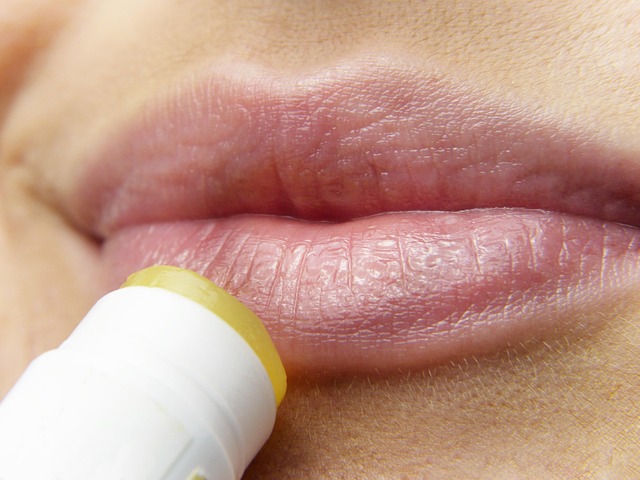
Sensitive skin means your skin reacts more than usual to products, weather, or contact, and this reactive baseline influences its waxing tolerance. Knowing about sensitivity prior to treatment directs wax selection, application method, and aftercare.
With the right measures, expert waxing minimizes pain and rashes and provides smooth, longer-lasting results that sidestep daily shaving friction.
The Signs
Lingering redness, rapidly onset itching or a pronounced stinging feeling while normal washing is in play are often the telltale signs of a low threshold. When these indicators occur after minimal action such as washing the face or taking in a breath of cold air, skin is reminding you that it requires a softer approach.
Experiencing rashes or small bumps on your skin after using cosmetics or sunscreens or after exercising means you likely have barrier fragility. Dryness, flakiness, or a tight pulling sensation post-cleansing or in the sun are additional red flags.
Even mild irritation post-wax, such as pinkness or tiny bumps, is par for the course, but it should subside within 24 to 48 hours with cool compresses and a bland, fragrance-free moisturizer.
Checklist to monitor:
- Immediate reactions include burning, stinging, and prickling within minutes of product use.
- Delayed reactions: bumps or rash occur 12 to 48 hours after application or waxing.
- Baseline dryness includes flaking, tight skin, or rough patches even with moisturizer.
- Trigger pattern: Symptoms worsen with heat, spicy foods, intense workouts, or new products.
The Triggers
Fragrance, dyes, alcohol-heavy toners, strong acids, and retinoids often tip skin into irritation. Occlusive oils and thick lotions on your waxing day prevent wax from properly adhering and cause it to leave more residue.
Heat, cold, wind and sun all weaken barrier function, so beach days, saunas and icy air can prepare skin to overreact. Stress and hormonal shifts alter inflammation and sebum, which can amplify post-wax redness.
Track triggers in a simple journal: list products, weather, exercise, and menstrual phase. Note timing and severity of symptoms. This assists in scheduling appointments and product breaks.
Steer clear of scents and strong actives 24 to 48 hours before and after waxing, plus hot baths, pools, and sun the initial day after treatment.
The Conditions
Eczema, rosacea, contact allergies and photosensitivity increase waxing risk as the barrier is already compromised or inflammation is primed. Even mild baseline sensitivity can generate robust reactions on the face, underarms or bikini line where skin is thin and nerve dense.
Screen your history: past reactions to adhesives or nickel, recent peels or lasers, antibiotic or acne medications, and current flares. Discuss this pre-booking.
Patch test s and wax choice, such as low-temperature hard wax , minimize trauma . A gentle exfoliation 24 hours prior helps lift dead cells and directs the wax to hair, reducing ingrown risk.
Maintain light exfoliation after healing to prevent ingrowns. Treatment day, leave the lotions and oils alone. Post-wax, use cool compresses, a light, fragrance-free moisturizer, and stay away from sun, heat, standing water, and overpowering scents for 24 to 48 hours.
Armed with this plan, waxing can accommodate sensitive skin and reduce daily irritation from other methods.
The Professional Advantage
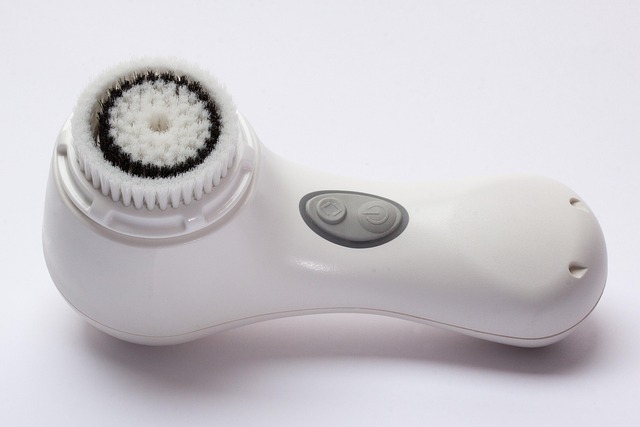
Professional waxing custom cares to sensitive skin, reduces risk and enhances results with time. Professional teams tailor wax type, temperature and technique, minimizing burns, ingrown hairs and irritation. Clinics count on quality, hypoallergenic products and tailor a plan to your skin history, pain tolerance and objectives.
Results can last three to four weeks, reducing repeat friction and giving skin a longer break from triggers.
Expert Assessment
Professionals begin with a pre-wax consult to chart skin type, sensitivity, medical history, and current skincare. They check recent peels, retinoids, exfoliants, sun exposure, and any prior reactions as all alter barrier tolerance.
They identify patches with greater reactivity, such as thin eyelid skin, upper lip, bikini line, or keratosis pilaris, and vary direction, pressure, and wax selection to prevent lifting or post-inflammatory erythema.
Request a patch test and custom skin analysis. This identifies fragrance sensitivities, eczema, or rosacea tendencies that require cooler temperatures, smaller strokes, and extended processing time.
Sensitive clients benefit from staged plans: brows and lip one visit, larger zones next. Weekly sessions make regrowth softer and finer, so removal becomes easier and less painful.
Superior Products
Professional-grade hard and soft waxes are designed to hold hair, not skin, which is softer and less reactive. Respected clinics steer clear of harsh additives like formaldehyde donors, heavy fragrances, and typical sensitizers, reducing bumpy welts and irritation.
Seek out soothing agents such as aloe, chamomile, azulene, bisabolol, oat beta-glucan, and zinc oxide. These soothe the rush of redness immediately post-extraction.
Request to inspect ingredient lists. If you respond to rosin, ask for synthetic resin or sugar-based alternatives. If you have nut allergies, check to make certain carrier oils are nut-free.
Refined Technique
Pros regulate application thickness, hair-growth alignment and pull angle to lift the follicle cleanly with minimum skin shear. They employ skin tension, microsections in reactive areas and immediate post-pull compression to dull nerve activity and mitigate shock.
Precision temperature control keeps burns at bay and reduces setting time, minimizing pain. This accuracy enhances shaping—brows, beard lines, and bikini edges appear crisp without over-trimming.
Keep an eye out for no double-dipping, clean gloves, and fresh sticks during your session! For a lot of clients, professional waxing is quicker and nearly painless compared to days of razor burn.
Uniformity from visit to visit creates confidence and predictable outcomes.
Safer Environment
Clinics follow infection-control standards: sanitized beds, medical-grade disinfectants, and barrier drapes. Tools are sterilized or disposable, wax is never reused, and applicators are thrown away per strip.
HEPA-filtered rooms and fragrance-lite policies decrease allergen burden, which is important for sensitive dermis. Consider safety, product sourcing and training when you book.
Professional waxing provides longer-lasting smoothness, typically three to four weeks, which reduces daily irritation bouts and maintains calmer skin. It is customizable: targeted shaping, schedule spacing, and at-home care plans aligned to your goals.
How to Wax Sensitive Skin
Sensitive skin requires a slower, more deliberate method. Target friction-minimized stages, doctor-level sanitation, and obvious aftercare. Follow a checklist, and when in doubt, trust professional advice from a licensed aesthetician or doctor.
- Make sure the hair is 6 to 12 mm long, there is no active eczema or psoriasis, review medications, and consider recent peels.
- Prepare skin 24 hours ahead.
- Patch test
- Select a sensitive-skin wax (usually hard wax).
- Work in small sections with correct direction.
- Soothe, protect, and monitor for 48–72 hours.
- Document products, reactions, and timing for future sessions.
1. Prepare Your Skin
Preparing your skin: Cleanse and lightly exfoliate 24 hours prior to waxing to lift debris and loosen dead cells without stripping the barrier. A mild enzyme or soft wash cloth will do. Hydrate your skin in the days leading up with a bland, fragrance-free moisturizer to keep post-wax sting to a minimum.
Avoid waxing on inflamed rashes, open cuts, or areas of active eczema or psoriasis. Treat and stabilize these first. On the day, stay away from lotions, oils, and perfumes, as residue prevents sticking and can incubate heat.
Post-session, stick with loose, breathable clothing to reduce friction and heat that fuel your redness and ingrowns. Maintain this rhythm between appointments: moisturize daily, pause retinoids and harsh acids 48 to 72 hours before and after waxing, and protect from sun since dry, sun-stressed skin reacts more.
2. Choose The Right Wax
For sensitive skin, hypoallergenic hard wax is often best since it specifically grips hair and pulls away from skin with less pull. Soft strip wax can do the trick, but it is usually too rough on your face, underarms, bikini, and thin or dry skin.
Talk options with your esthetician–resin base, scent, temperature tolerance, and tensile strength. Construct an easy cross-reference chart of wax type, best areas, heat range, and response so you know what to do again.
3. Test A Small Area
Do a patch test 24 hours prior to a full service on a hidden spot. Look out for redness, swelling, itching, or delayed bumps. Mild pinkness that fades within a few hours is normal, but if symptoms intensify, wait until it calms down before waxing again.
Neglecting this step increases the risk of intense reactions, particularly on dry, reactive skin. Log products, dwell time, and your skin’s response for future visits.
4. Follow Proper Technique
Smooth on in growth direction, rip off against it with fast low parallel pushes. Do small sections to minimize shear on the epidermis and increase precision. Apply firm pressure right after removal to dull sting, and don’t wax the same patch over and over.
Tweeze stragglers instead.
5. Prioritize Aftercare
Soothe immediately with aloe, panthenol or 1-2% hydrocortisone short term. Stay away from sun, hot showers, saunas, workouts, and tight clothes for 24 hours. Keep your skin clean, moisturized, and use a gentle, fragrance-free routine.
Begin light exfoliation 48 hours after waxing to reduce ingrowns. Anticipate redness or bumps a day or two and be patient; shield the region.
The Mind-Skin Connection
The mind-skin connection is the bidirectional relationship between psychological state and the skin. Stress, mood, and thoughts all alter skin function, and skin changes feed back into how we feel. It’s important for sensitive skin — pre, during, and post wax.
Stress and Sensitivity
Anxiety and stress can lead to flare ups in reactive skin. Elevated cortisol and neuropeptides fuel inflammation, itch, and redness and can delay barrier repair. In eczema, acne, and psoriasis, stress tends to exacerbate symptoms by triggering increased skin permeability and nerve reactivity.
Even simple relaxation reduces sympathetic tone and can blunt inflammatory signals. Do 5 to 10 minutes of quiet breathing, brief meditation, or light yoga before your session. A quick body scan or progressive muscle relaxation helps dial down reactivity for many clients.
Calm clients tend to experience less sting in the pull and fewer post-wax hives. Less muscle tension stabilizes the skin surface, so wax release is cleaner and less traumatic.
Make stress control a fixed component of your skincare regimen. Pair daily mindfulness with barrier-first home care: mild cleansers, ceramide-rich moisturizers, and sunscreen. If anxious or mood symptoms are persistent, behavioral therapy can benefit both your well-being and your skin.
Timing Your Session
Wax on when skin is least reactive. For many, mid-cycle (around days 10 to 20) sidesteps the increased pain sensitivity that can develop premenstrually. This pattern is different, so follow your own beat instead of using a hard and fast rule.
Stay away from waxing when your immune system is activated. Omit sessions if acutely ill, in an active flare, or within 24 to 48 hours of intense sun exposure. Heat and UV prime inflammation and will amplify irritation.
Schedule appointments in low-stress windows. Select a peaceful morning, not immediately after a stressful meeting. A calm nervous system is your secret weapon that minimizes pain and post-procedure redness.
Maintain a basic calendar. Log cycle phase, sleep, mood, workouts, medications, and skin response. After three or four visits, patterns often began to arise to inform perfect timing.
Breathing Techniques
Breathe slow, deep breaths during waxing to relax facial, pelvic, and limb muscles. Less guarding results in easier hair removal and fewer microtears.
Practice box breathing beforehand: inhale for 4 seconds, hold for 4, exhale for 4, hold for 4, and repeat for 3 to 5 minutes. A metronome or calm voice over guided audio can assist with consistency and adherence.
Controlled breathing can reduce pain perception by activating the parasympathetic nervous system and distracting attention. It calms heart rate and cools sweat, all of which facilitates wax adhesion.
Educate these fundamentals to new clients in the consult room. A brief demo along with a printed cue card or suggested app makes the technique simple to apply at home and during the appointment.
What to Avoid
Sensitive skin responds quickly to heat, friction, and chemicals. Skip triggers before, after, and during wax touch to reduce the risk of burns, dermatitis, and infection while maintaining clean, even results.
Harmful Ingredients
Alcohol, synthetic fragrance, and parabens increase transepidermal water loss and disturb the skin barrier , which makes stinging, redness, and post-wax fire burns more probable. Avoid denatured alcohol, ethanol, ‘parfum’ and ordinary parabens (methyl, propyl, butyl paraben).
At labels for known allergens such as balsam of Peru, limonene, linalool, formaldehyde releasers, methylisothiazolinone. If you’re allergic to nickel, latex or rosin/colophony, avoid strips, applicators and resin bases.
Many OTC kits use rough solvents and high-heat resins to get hair quickly. That quickness can cost you protective barrier wellness. Create a permanent ‘avoid’ list on your phone and check it prior to shopping or appointments.
Add triggers from previous reactions and refresh after every patch test.
Common Mistakes
Waxing over broken, sunburned, or inflamed skin rips the epidermis and impedes repair. Recent sun primes the skin into a pro-inflammatory state, so there’s no tanning 48 hours before and no sun or tanning 48 hours after.
Bad technique, such as wax being too hot, a bad pull angle, or double-passing, fuels ingrown hairs. Hair should be 5 to 10 mm, skin held taut, and wax pulled low and parallel, not up.
NEVER SKIP PATCH TESTS, apply to a small area 24 to 48 hours before. Aftercare matters: avoid hot baths or showers for 48 hours, pools or standing water for 48 hours, heavy lotions or fragrance for 48 hours, and tight clothing on waxed zones.
- Waxing on retinoids, recent peels, or thinning meds
- Pulling straight up instead of low-and-fast removal
- Re-waxing the same pass on sensitive zones
- No pre-cleanse or shoddy skin prep, then occlusives
- Touching freshly waxed skin with unwashed hands
When to Postpone
Postpone waxing with active zits, cold sores, folliculitis, or any infection. Heat and traction spread lesions and risk scarring.
Hold off a minimum of 10 to 14 days after medium to deep chemical peels, microneedling, laser, or aggressive exfoliation. If you’re on topical retinoids, discontinue them 5 to 7 days beforehand under the guidance of your clinician and only resume when the skin has calmed.
If you are on skin thinning medications, such as oral isotretinoin in the past year, chronic oral steroids, or high-potency topical steroids, reschedule and consider trimming or threading .
Anyone who has been on acne medication in the past year should avoid waxing. Keep a contraindication checklist: active rash, itch, cracks, extreme dryness, or bumps means heal first.
Add reminders: no sun 48 hours before and after, no heat or pools 48 hours after, and always patch test sensitive skin.
Beyond Waxing
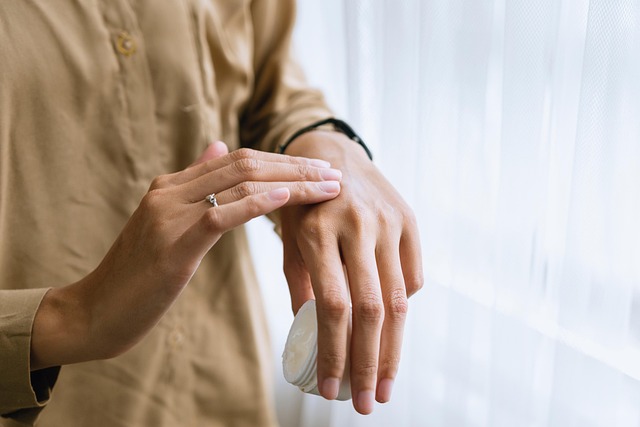
For skin that flares with heat, friction, or fragrance, waxing can still make sense. It removes hair from the root and minimizes daily shaving abrasion. Outcomes sometimes last three to four weeks, which offers reactive skin fewer triggers than shaving or daily chemical use.
With prep and aftercare—light exfoliation 24 hours before, consistent moisturizing in the days leading up, then avoiding hot showers, saunas, and pools for 24 hours—mild bumps or redness usually calms down. If you still can’t stand wax, there are alternatives.
Gentle Alternatives
Sugaring applies a sugar, water, and lemon paste at lukewarm temperature. It sticks more to hair than skin, so a lot of patients experience less sting and fewer ingrowns.
Threading plucks hair with twisted cotton, which is perfect for brows and the upper lip, and involves very little product contact. Its antic fragrance is a blessing for hypersensitive skin.
For ultra-sensitive bits, an expensive electric trimmer is low risk. It cuts above the surface, so there’s no pulling, no heat, and virtually no downtime.
It won’t equal the three to four week smooth phase of waxing, but it sidesteps flare-ups. Specially formulated depilatories for sensitive skin work great on legs or arms.
Opt for sulfur-free or low-thiol blends, patch test on a 1 to 2 cm area, minimize contact time, and neutralize with cool water. Avoid 48 hours before and after sun exposure to reduce pigmentation risk.
- Method | Ideal For | Advantages | Disadvantages | Recovery Time
- Sugaring | Legs, bikini, underarms | Less heat, gentler pull | Requires expertise, not for very coarse hair | Low
- Threading | Face | Very precise, no need for products | Not great for large areas, time consuming | Low
- Trimmer | Bikini line, face, body | No contact chemicals | Short-lived smoothness | None
- Sensitive depilatory | Legs, arms | Quick, uniform | Chemical burn possible if abused | Low to moderate
Long-Term Solutions
Daily barrier repair counts. Apply a bland, fragrance-free moisturizer with ceramides or petrolatum morning and night.
Beyond Waxing hydrated skin withstands removal more easily, and a pre-wax moisturizer in the days prior cuts down on post-treatment sting.
Laser hair removal provides permanent reduction when skin is calm and sun is avoided. Diode and Nd:YAG platforms allow safe use across a range of skin tones when parameters are tuned.
Anticipate six to eight treatments, each four to eight weeks apart, then maintenance. Avoid sun and tanning beds for forty-eight hours before and after every session to reduce hazards.
Beyond Waxing Ongoing Professional Support Keeps Plans on Track. A physician-led clinic can customize pre-care by soft exfoliating 24 hours before, select techniques, and address flares so skin rebounds.
Monitor reactions, ingrowns, and timing between visits. Tweak intervals, products, or tools as the data accumulates.
Conclusion
Sensitive skin can still score smooth, clean wax outcomes. The plan is more important than the hype. Use cool room temperature wax, make short pulls, and apply light stretch. Stick with zinc, azulene, or oatmeal. Avoid fragrance and coloring. Space sessions four to six weeks apart. Soothe skin with cool gel and simple balm. Moisturize well. Sleep tight. Stress less. Skin reflects it.
Collaborate with a trained pro if your skin flares fast. A pro can choose the appropriate wax, heat settings, and speed the session appropriately. Consider brows, underarms, bikini, or legs. Patch test first. Record what your skin enjoys.
Need a soothing smooth wax schedule to match your skin? Schedule a consult with the Physician Aesthetic Institute in Bonita Springs. Let’s plan your care and schedule your next appointment.
Frequently Asked Questions
Is waxing safe for sensitive skin?
Yes, you need to do it right. Go for hypoallergenic wax, patch-test first and really prep skin. Professional waxing minimizes risk. If you have eczema, psoriasis, or active breakouts, consult a dermatologist before waxing.
Which type of wax is best for sensitive skin?
Hard wax is usually ideal. It grabs hair, not skin, minimizing irritation. Seek out fragrance-free, rosin-free, and hypoallergenic formulas. Sugar wax is gentle for most.
How should I prepare my sensitive skin before waxing?
Wash the area. Lightly exfoliate 24 hours prior. Go dry and product-free on the day. Hair should have a length of 5 to 10 mm. Patch test it. Skip retinoids and strong acids for a minimum of one week.
What should I avoid after waxing sensitive skin?
Stay away from heat, friction, and sweat for 24 to 48 hours. Avoid hot showers, saunas, tight clothes, and sweating in the gym. Don’t apply perfumes, alcohol-based toners, or exfoliants. No sun or tanning.
How can I reduce redness and bumps after waxing?
Place a cool compress on it. Apply either aloe or a fragrance-free, soothing gel. Use a barrier-repair moisturizer. See hydrocortisone 1% for one to two days if okay with a professional. Try not to touch or pick.
Should I wax at home or see a professional?
If your skin is really reactive, visit a licensed professional. They choose the right wax, prep, and method. This decreases pain and post-wax redness. You can wax at home, but begin with small areas and follow the instructions carefully.
How often should I wax sensitive skin?
Every 3 to 5 weeks, growth and tolerance permitting. Wax the same area no more than once per session. Allow hair to re-grow to 5 to 10 millimeters. If irritation continues, increase the time in between or change methods.