
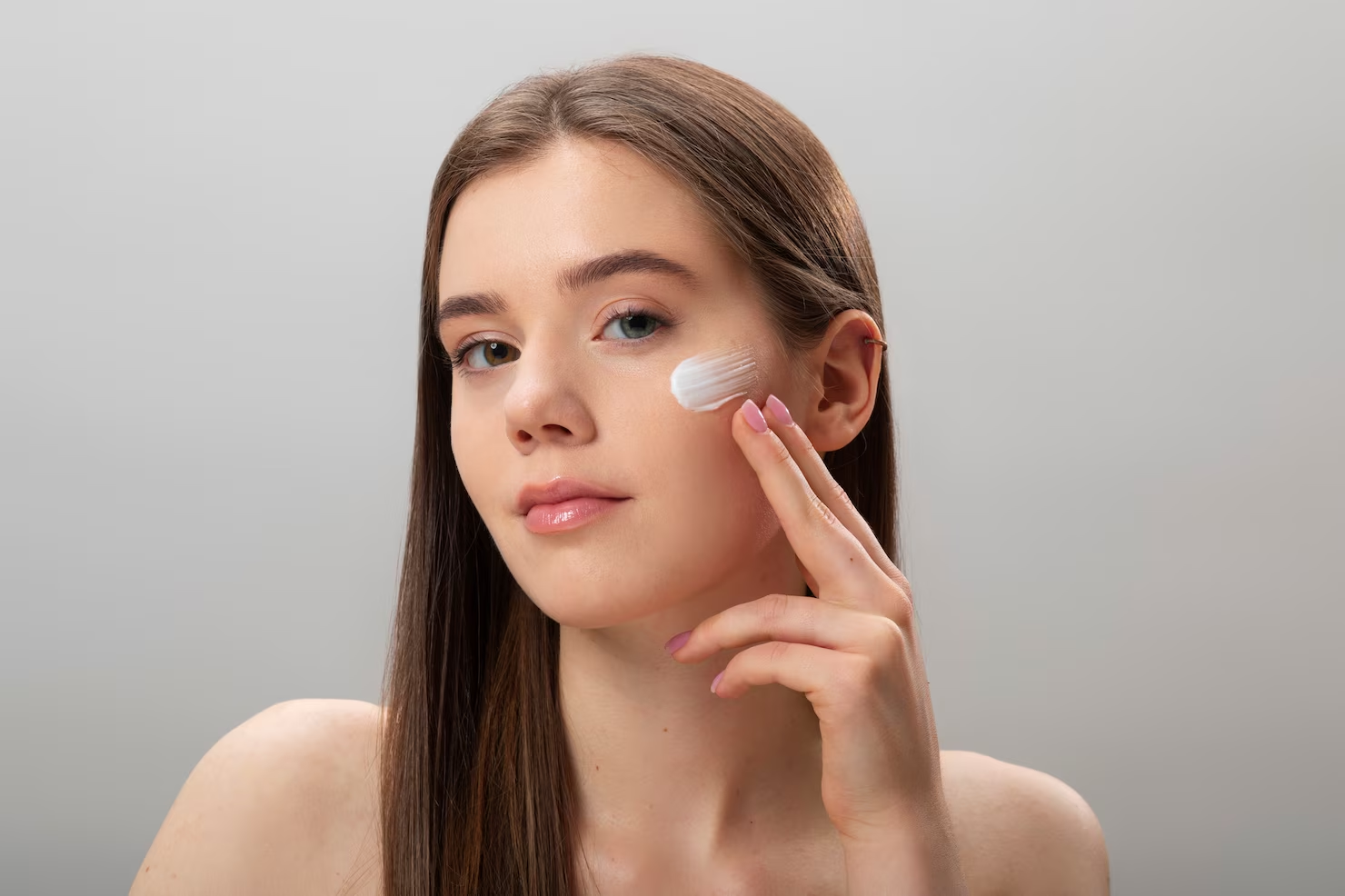
When the temperatures drop and the air gets drier, our skin tends to show the effects—and for those with dry or sensitive skin, winter can be especially harsh. The cold weather, coupled with indoor heating, can leave your complexion feeling tight, flaky, and more irritated than usual. At Physician Aesthetic Institute, we specialize in facials that help restore moisture, soothe sensitivity, and protect your skin from the harsh winter elements. In this post, I’ll be sharing the best winter facials for dry and sensitive skin, focusing on treatments that hydrate, calm inflammation, and replenish your skin’s natural barrier. If you’re ready to give your skin the TLC it needs to stay soft and glowing all winter long, this guide will point you in the right direction.
- Key Takeaways
- The Core Benefits of Facials
- Tailoring Facials for Winter
- Beyond the Treatment Room
- Understanding Facial Technologies
- How to Prepare
- Maximizing Post-Facial Glow
- Conclusion
- Frequently Asked Questions
Key Takeaways
- Facials provide very tangible results for the skin. Deep hydration, barrier support, mild exfoliation, and increased microcirculation all contribute to a radiant glow and overall skin health. Request treatments with hyaluronic acid, glycerin, ceramides, and enzyme-based exfoliants to normalize moisture and sensitivity.
- Customization is key as skin concerns range from dryness, acne, redness, and dullness. Targeted modalities like LED, oxygen infusion, and ultrasonic cleansing can be paired with each concern. Have a professional skin analysis to match techniques, actives, and device settings to your personal objectives.
- Winter care calls for barrier-first strategies that unite humectants, emollients, and occlusives to avoid transepidermal water loss in cold, dry air. Opt for soothing botanicals such as aloe vera, chamomile, and calendula to calm seasonal sensitivity while still hydrating.
- Prep makes a difference when you stop potent actives days prior, provide complete skincare and medication histories, and come in hydrated. This reduces inflammation potential and enables safer application of expert methods like extractions and peels.
- Post-facial maintenance shields results with soft cleansing, daily broad-spectrum SPF 30 and a stripped-down routine for 24 to 72 hours that excludes exfoliators and strong actives. Track your skin and timeline with your provider before returning to retinoids, acids, or at-home devices.
- Establish a baseline routine between appointments with a gentle cleanser, hydrating serum, barrier-repair moisturizer, and sunscreen. Repeat professional facials every 4 to 6 weeks. Stay in touch with your esthetician to tweak products and treatments as your skin and environment evolve.
Facials are focused skin treatments that clean out pores, slough off dead cells, nourish tissue and promote barrier repair through pro-grade actives and devices.
In clinic, protocols vary from enzyme polish and microderm to chemical peels, LED, lymphatic drainage and microneedling add-ons, selected by skin type, Fitzpatrick grade and objectives.
Think steps like double cleanse, controlled exfoliation, extractions, infusion and SPF.
To steer selections, the main body describes symptoms, actives, downtime and results timelines.
The Core Benefits of Facials
When scheduled with intention, a facial treatment can rehydrate, smooth, and balance your skin’s barrier while addressing specific skin concerns.
1. Deep Hydration
Hydrating facials bombard the stratum corneum with water-binding humectants such as hyaluronic acid and glycerin, then lock it in with occlusives to reduce transepidermal water loss. Treatments like gel masks and facial masks draw water into the skin, resulting in a plump and smooth appearance within minutes. Skin feels soft, fine lines appear softened, and products absorb better afterward, enhancing your overall skin care journey.
In dry spells or plane-heavy itineraries, these focused moisture treatments do the trick. Enter multi-weight hyaluronic acid, panthenol, and ceramide-rich masks to combat tightness and flaking. A natural skincare alternative is definitely what we’re after, especially with options like an edible chocolate facial mask.
Over time, this hydration work can help even out tone, diminish dullness, and bolster collagen. A more resilient barrier leads to reduced future dryness and irritation. With a regular routine, pores can appear smaller, oil can rebalance, and redness can subside, paving the way for a clear complexion.
2. Soothing Relief
Sensitive or reactive skin requires soothing inputs. We incorporate calming botanicals like centella, oat, green tea, and bisabolol to suppress inflammation, along with fragrance-free formulations to minimize sensitivity. This aids with eczema-prone cheeks, rosacea flush, or contact dermatitis flare.
Cooling masks, cold globes, and light lymphatic strokes diminish heat and swelling. You experience less sting, less redness, and a faster return to normal barrier function. For very reactive skin, hypoallergenic, dye-free, and alcohol-free options reduce the likelihood of a flare.
3. Gentle Exfoliation
Gentle enzymes (pumpkin, papain) and low-level acids (mandelic, lactic, PHA) peel away dead cells without abrading the barrier. Tones look brighter, rough patches smooth out, and hyperpigmentation can fade with consistent use. This is key for darker skin tones that require low-irritation methods.
Non-abrasive methods are ideal for sensitive or acne-prone skin in which friction can cause breakouts. Exfoliation preps skin so moisturizing serums, antioxidants, and retinoids work more effectively. Consistent, gentle turnover smooths fine lines, helps unclog pores, and can reduce breakouts.
4. Enhanced Circulation
Facial massage, including effleurage, petrissage, and light myofascial work, stimulates blood flow and enhances oxygen and nutrient delivery. Improved circulation encourages detox pathways and the delivery of new cells to the surface. Lymphatic drainage reduces puffiness in the eyes and jawline.
This micro-stimulation can spur collagen production, helping to increase firmness and soften wrinkles. The stress relief of massage reduces tension that can exacerbate redness or acne.
5. Professional Expertise
Certified providers evaluate Fitzpatrick type, oil balance, sensitivity, and current medications prior to treating. You walk out with a recipe that fits your goals, such as zapping acne, dialing down pore size, brightening tone, or slowing fine lines, and an easy home routine to keep results going.
In-clinic tools raise the ceiling. Controlled peels, precise extractions, ultrasonic infusion, LED, and dermal cooling are not feasible at home. Done safely, these techniques diminish blemishes, tighten pores, balance pH, and promote long-term collagen.
With consistent facials every 4 to 8 weeks, skin remains hydrated, pores appear smaller, oil is more balanced, and aging signs decelerate in a quantifiable manner.
Tailoring Facials for Winter
 Cold, dry air and indoor heat can lead to skin issues like increased redness and dryness. Winter facials should pivot toward hydration, incorporating advanced skincare formulations that focus on barrier repair and calming effects. These adjustments are essential for both guys and gals seeking clear skin amidst stress and holiday lifestyle changes.
Hydrating Ingredients
Winter skin dehydrates more rapidly, making advanced skincare formulations essential for maintaining hydration. We love humectants that bind water and lipids that seal it in, such as hyaluronic acid in diverse molecular weights that moisturizes throughout layers. Glycerin, a key ingredient in many skin care treatments, attracts water into the stratum corneum without irritation.
Ceramides replenish lamellar structure, helping to control transepidermal water loss, especially during harsh winter months. Hydrating masks, including a comforting mask with film-forming polysaccharides, panthenol, and amino acids, provide instant plump. These treatments are ideal for achieving a radiant complexion.
Serums layered under richer creams enhance moisture gradients and maintain a smoother surface. This duo helps lackluster, fatigued skin bounce back, aiding in the rejuvenation process after holiday travels and late nights, ensuring your skin care journey stays on track.
- Top hydrating ingredients for winter facials:* Multi-weight hyaluronic acid
- Glycerin
- Ceramides (NP, AP, EOP)
- Panthenol (pro-vitamin B5)
- Betaine
- Polyglutamic acid
- Squalane
- Urea (low dose, 2–5%)
- Sodium PCA
Calming Botanicals
Sensitive, redness-prone skin will love plant actives that are anti-inflammatory and barrier-friendly. Aloe vera calms heat and constriction quickly. Chamomile, which contains bisabolol and apigenin, reduces redness and helps repair.
Calendula is great for stilling reactivity from wind exposure and constant mask-wearing. In winter, opt for fragrance-free formulas without drying alcohols or harsh surfactants. This minimizes flare-ups and helps keep hydration in check.
For acne with winter dryness, pair a mild BHA at low concentration with soothing botanicals to reduce congestion without stripping. These options calm visible sensitivity, assist with puffiness and shadows after late nights, and boost tolerance to actives used throughout the rest of the year.
Protective Barriers
Barrier-first facials apply emollients and occlusives that seal in hydration and protect from cold, wind, and heated indoor air. Seek out shea butter, squalane, cholesterol, ceramides, and lightweight silicones to smooth microcracks and decrease water loss.
A final finishing mask or cream can form a breathable film that locks in humectants and protects from environmental stress. After your facial, layer on a humectant serum, then a ceramide-rich moisturizer, and seal it in with an occlusive balm on high-loss areas, such as the nose and cheeks.
In the morning, layer on broad-spectrum SPF 30 and an antioxidant serum with vitamin C or ferulic to combat winter free radicals. Monthly facials keep circulation going, minimize dullness, help clear pores, and address dryness, acne, or redness.
With consistent attention, skin remains soft and resilient through winter and is well prepared for spring.
Beyond the Treatment Room
Facials, especially when combined with advanced skincare formulations, are most effective when the attention extends beyond the treatment room. Daily routines and intelligent product application, like using a vitamin C mask, help maintain effects and promote a radiant complexion.
Personalized Education
Skin analysis establishes the baseline. We track oil deposits, barrier function, redness patterns, pore density, and pigment clusters. We record triggers such as heat, sweat, or fragrance.
This analysis guides decisions on exfoliation frequency, actives strength, and when to cycle products to accommodate seasonal or hormonal changes. Ingredient selection should be exact.
For sensitive or eczema-prone skin, use ceramides, 2 to 5 percent niacinamide, and 10 to 15 percent azelaic acid to soothe and even tone. For breakouts, add salicylic acid 0.5 to 2 percent and benzoyl peroxide 2.5 percent in short contact with a non-comedogenic moisturizer.
For photoaging, anchor on retinoids, such as retinaldehyde or tretinoin as tolerated, peptides, and daily L-ascorbic acid 10 to 15 percent under broad-spectrum SPF 50. Space out acids and retinoids to every other night to protect the barrier.
Do’s and don’ts checklist:
- Do: Wear SPF 50+ daily and reapply every 2-3 hours outdoors.
- Do: hydrate 1.5–2.0 L water/day; aim protein 1.2 g/kg/day.
- Do: clean pillowcases 2× weekly; sanitize phone screens.
- Don’t pick lesions. Avoid steam rooms 48 to 72 hours post-facial.
- Don’t: stack strong acids with retinoids the same night.
- Don’t: skip moisturizer even if oily.
Maintain a living note of questions and reactions and then check in with your provider to adjust focus, medium, and cadence.
Mental Wellness
Beyond the treatment room, facials support mental health through guided breath work, slow tempo touch, and quiet space. Stress exacerbates acne, eczema, and psoriasis. Reducing cortisol helps cut that cycle.
Lavender, bergamot, or frankincense aromatherapy can serve as a cue to parasympathetic action. A gentle scalp and neck massage further soothes the nervous system, which presents as fewer flares and more consistent oil production.
Lymphatic drainage works to decrease puffiness by accelerating the removal of excess interstitial fluid. The light, rhythmic strokes increase circulation so more oxygen and nutrients are delivered to cells, which promotes healing and a more even tone.
Numerous clients see more defined contours and reduced morning puffiness. Weekly sessions compound benefits. Facials, over time, increase cell turnover, soften fine lines, and even texture, while the ritual becomes a dependable mood boost.
Routine Building
Consistency keeps gains between visits. Daily core:
- Morning: cleanse, antioxidant serum, moisturizer, SPF 50+.
- Night: cleanse, treatment step (retinoid or acid), moisturizer.
Numbered essentials for home care:
Gentle cleanser, pH-balanced to protect the barrier.
Hydrating mist or essence with glycerin and panthenol.
Antioxidant serum (vitamin C or multi-antioxidant) for tone.
Targeted active ingredients, such as retinoids, azelaic acid, or BHA, are based on goals.
Moisturizer with ceramides and cholesterol to seal hydration.
SPF 50+ broad-spectrum, water-resistant for daytime.
Optional: weekly mask (clay for oil, gel for dehydration) and a gua sha or roller for light lymphatic work.
Understanding Facial Technologies
Contemporary facials combine time-tested skincare with devices that enhance accuracy, repeatability, and results. Getting the right tool matched up with the right worry is more important than trend. Personalized evaluations drive the regimen, as regular, acne-prone, and aging skin react differently to ingredients and dosages.
Most of these alternatives are noninvasive, with minimal downtime and easy to slot into hectic schedules, with safety tied to appropriate training and certification.
LED Light Therapy
LED utilizes narrowband light with no heat or injury. Blue light, approximately 415 nanometers, attacks acne by impacting C. Acnes and sebum. Red light, about 633 to 660 nanometers, promotes collagen, elasticity, and wound modulation.
Near-infrared light, approximately 830 to 850 nanometers, penetrates deeper to soothe inflammation and promote repair. Sessions stack well with microneedling, platelet-rich plasma (“Vampire” facials), or post-lasers to reduce redness.
Color selection relates to worry. Blue is great for active breakouts and oily T-zones. Red and near-infrared suit fine lines, laxity and Fraxel Dual Laser recovery, which employs different wavelengths for wrinkles, scarring and sun damage.
Combo protocols cycle blue and red for combination acne and aging.
Feature | In‑office LED | At‑home LED mask |
|---|---|---|
Power and irradiance | Higher, measured dosing | Lower, consumer-safe output |
Wavelength control | Medical-grade, verified | Variable accuracy |
Session length | Shorter per dose | Longer to reach dose |
Indications | Acne, redness, aging, post‑procedure | Maintenance, mild concerns |
Safety oversight | Clinician-monitored | Self-directed use |
In-office care achieves a therapeutic dose more quickly and accommodates complex cases. Home masks help hold neurotoxin gains between visits.
Oxygen Infusion
Oxygen facials emit pressurized oxygen along with hydrating serums to soften, plump, and brighten skin immediately. This pressure assists in forcing humectants and vitamins deep into the upper skin strata, which enhances clarity and surface glow without irritation.
This technique soothes distressed skin post-travel, exercise, or pollution exposure and complements Compressive Microvibration Therapy to alleviate puffiness and boost lymphatic circulation. It further aids healing post mild procedures and minimizes redness.
It is ideal for drab, fatigued, or environmentally damaged skin and is not a solution for deep wrinkles or scarring.
Ultrasonic Methods
Ultrasonic spatulas employ high frequency vibration to dislodge debris, unclog pores and lift oxidized oil without the squeezing. This results in soft peeling, even on sensitive or combination skin, and minimizes the risk of scarring from manual squeezing.
Ultrasonic cleansing is a pre-step to microdermabrasion, PRP application, or Cryoskin Facials. It enhances serum absorption. It aids in prepping skin for laser days by decreasing surface oil, which causes energy delivery to be more consistent.
Aspect | Ultrasonic facial | Manual methods |
|---|---|---|
Pore clearance | Uniform, low-trauma | Variable, pressure-dependent |
Exfoliation | Consistent micro-peeling | Uneven, higher friction |
Comfort | High, minimal redness | Can be tender, reactive |
Suitability | Sensitive, rosacea-prone | Limited by tolerance |
Benefits include clearer pores with reduced irritation, improved product delivery, and consistent outcomes.
How to Prepare
Clear prep primes your skin for a beauty treatment, minimizing irritation while enhancing your skin care journey. Easy steps like moisturizing and using a comforting mask really count for a radiant complexion.
Skincare History
To ensure a tailored facial treatment plan that meets your specific skin concerns, provide your complete skin history while minimizing risks. It’s crucial to mention any past reactions to products, chemical peels, or anesthetics, as well as allergies to botanicals, fragrances, or latex. If you have a sensitivity to heat or pressure, particularly during a massage, be sure to indicate this, especially if you tend to flush or break out easily.
If you’ve experienced cold sores, antiviral prophylaxis will be necessary before undergoing any exfoliating treatments, including those that involve lightstim LED light therapy. Additionally, report any chronic skin conditions like acne or rosacea, as these can affect the selection of products and the intensity of the exfoliation process.
Lastly, be mindful of recent skin trauma such as sunburn or microtears from shaving. Listing all products used recently, along with any oral medications, is vital for understanding interactions that may impact barrier function and bruising risk during your skin care journey.
- Current products: cleansers, toners, vitamin C, retinoids, AHAs/BHAs, benzoyl peroxide, hydroquinone, exfoliating scrubs, oils, SPF
- Medications: isotretinoin, antibiotics, antihistamines, anticoagulants, steroids, hormones, supplements such as omega-3 and niacinamide.
- Recent treatments include microneedling, peels, lasers, waxing, threading, shaving, dermaplaning, injectables, and sun exposure.
Avoid Actives
Pause retinoids (tretinoin, adapalene, tazarotene) for 3 to 5 days, and hold AHAs/BHAs, benzoyl peroxide, and at-home peels for 48 to 72 hours prior to your facial. Do not use scrubs and aggressive cleansing brushes because over-exfoliation tears the stratum corneum and increases sting and redness.
This barrier prevents damage and post-facial reactivity. It allows your provider leeway to apply professional enzymes, mild acids or extractions without adding irritation. For starters, don’t exfoliate the day before. Skin will be more reactive.
Read labels. Check for ingredients such as retinol, retinal, glycolic, lactic, salicylic, mandelic, azelaic, phenol, TCA and strong fragrance. Keep them even if you ‘put up with’ them. If you have to de-fuzz, shave or wax at least 24 hours prior. Give it a day to digest.
Stay Hydrated
Work on hydration 48 to 72 hours pre-appointment to optimize the skin’s natural moisturizing factors and transepidermal water balance. Well-hydrated skin is more tolerant to mechanical work and absorbs serums better.
Minimize alcohol and excess caffeine the day before, as both increase diuresis and can leave skin looking flat. Stick to a mild cleanser and a simple moisturizer in the 48 hours leading up. Keep it simple and avoid new products.
Don’t poke or pick at your face either. Hands spread oil and bacteria that cause breakouts. Come makeup-free or don’t use heavy makeup that day and fully cleanse an hour or so before the appointment.
Come with fresh, peaceful skin and a product list.
Maximizing Post-Facial Glow
Post-facial care, including a comforting mask, calms the skin barrier, locks in moisture, and reduces redness or pigment-causing triggers. Results are longer lasting when aftercare is gentle, sun-safe, and consistent with regular hydration and advanced skincare formulations.
Gentle Cleansing
Begin with a non-foaming, gentle cleanser during the initial 48 hours so that you don’t strip the acid mantle. Skin tends to retain a fine membrane of humectants and occlusives post-facial and over-washing takes that layer off, making the finish dingy.
Pass on scrubs, brushes and acids. No retinol, AHA, BHA, or enzymes for three to five days, particularly following microdermabrasion, extractions or a peel. Pat dry with a soft towel, don’t rub since friction can ignite erythema and micro-tears.
Wash only when necessary. A quick rinse in the morning and one cleanse at night is sufficient for the majority. Keep the routine simple: gentle cleanse, a hydrating serum, bland moisturizer, and nothing more.
Stay hydrated throughout the day to assist your dermal moisture from within. If recommended, hold off washing or applying makeup for a minimum of 24 hours. This allows actives from the treatment to have time to settle and minimizes the risk of breakouts from occlusive foundations.
Sun Protection
UV exposure destroys collagen and can cause post-inflammatory hyperpigmentation on the newly treated skin. Maximize post-facial glow by applying a broad-spectrum mineral sunscreen with SPF 30 or higher every morning, even when it’s cloudy or you’re mostly indoors near windows.
Reapply every 2 to 3 hours outdoors, and again after sweating. Wide-brim hats, UV umbrellas, and shade cut exposure when the sun is strongest. This is crucial post-exfoliating or peel sessions when the stratum corneum is diminished.
If you’re reactive, go for zinc oxide or titanium dioxide based formulas. These rest on top of the skin, reflect UV and are less likely to sting compromised barriers.
Follow Advice
Adhere to your provider’s post-care sheet precisely, as the protocol corresponds to the treatment depth and your skin type. Many clients fare best skipping makeup, heavy creams, hot showers, saunas, steam rooms, and hard workouts for 24 to 48 hours to minimize heat-driven vasodilation.
Hold actives like retinol and exfoliants for a few days to let the barrier reset. Maintain a brief post-facial dos and don’ts list on your phone to keep you in check, and record any redness, stinging, or new blemishes.
Stick to a minimalist regimen until skin settles once again, then layer back on the targeted products. Include daily stress relief—meditation, yoga, or deep breathing—to temper cortisol fluctuations that can desaturate tone and boost oiliness.
Schedule facials on a consistent cadence, generally every four to eight weeks, to keep things clear, moisturized, and glowing throughout the year.
Conclusion
Facials get real work done. Skin is supple and soft. Tone looks even. Fine lines appear less deep. Breakouts settle quickly. Results that last with smart care at home.
Winter requires extra attention. Dry air sucks water. A richer mask, a gentle peel, and LED can keep skin clear and bright. SPF still counts every day.
Tech brings lift and smooth. Enzymes remove dead grime. AHAs gently stimulate cell turnover. Microcurrent facials tighten. LED alleviates redness and accelerates healing. Little steps pile up over weeks.
For a plan tailored to your skin, schedule a consultation with Physician Aesthetic Institute in Bonita Springs. We will bring our targets. Come with your routine. Walk out with a clear path, fair prices, and care made for you.
Frequently Asked Questions
What are the main benefits of regular facials?
Facials cleanse, exfoliate, and hydrate the skin deeply, providing a comforting mask experience. They increase circulation, promote skin barrier health, and enhance tone and texture, addressing specific skin concerns like dryness and dullness for a radiant complexion.
How should I tailor facials for winter?
Focus on hydration and barrier repair by incorporating a comforting mask and LightStim LED light therapy into your routine. Opt for gentle exfoliation with humectants and ceramides while requesting calming masks to shield results with a heavy moisturizer and daily sunscreen.
How do I prepare for a facial?
Come with a clean face and steer clear of caking on the makeup. Discontinue retinoids and strong acids 48 hours prior. Avoid waxing services and harsh scrubs for 72 hours. Discuss your specific skin concerns, medications, and allergies. Be sure to hydrate well and avoid the sun for an extended period of time beforehand.
What should I do after a facial for best results?
Take it easy for 24 to 48 hours after your facial treatment. Apply a mild cleanser, a comforting mask, and a moisturizing serum. Remember to wear broad-spectrum SPF 30 to protect your skin care needs.
Which facial technologies are worth considering?
LED light therapy backs calming and collagen production, while microcurrent tones your facial muscles. For a thorough cleanse, hydradermabrasion purifies and moisturizes, targeting specific skin concerns without abrasive scrubbing.
Are facials safe for sensitive or acne-prone skin?
Yep, customized skin care treatments are essential. Choose mild, fragrance-free products and non-abrasive scrubs while avoiding pore-clogging oils. Experts will utilize LightStim LED light therapy and comforting masks to minimize redness and breakouts, so always share your triggers and medications.
How often should I get a facial?
Most people need a facial treatment every 4 to 6 weeks to align with the skin’s regeneration cycle. If you have specific skin concerns like acne or pigmentation, initiate more frequent sessions and then space them out as the skin clears for a clear complexion.