

Winter is the perfect time to focus on maintaining smooth, hair-free skin without the worry of constant touch-ups. But just because the weather’s cooler doesn’t mean your waxing routine should take a break. In fact, winter offers some unique advantages for waxing, and with the right tips and techniques, you can keep your skin soft, smooth, and irritation-free throughout the season. At Physician Aesthetic Institute, we’ve helped clients navigate the challenges of waxing during colder months, from combating dry skin to ensuring long-lasting results. In this post, I’ll share my top winter waxing tips that will keep your skin in peak condition, from pre-wax preparation to post-wax care. Let’s make sure your skin stays smooth and glowing all season long!
- Key Takeaways
- Why Winter Waxing?
- Maintain a consistent waxing routine during winter to promote smoother skin texture and reduce bumpy skin.
- Take advantage of slower hair growth cycles in cooler months for longer-lasting waxing results.
- Prevent dry patches and rough skin by choosing waxing over shaving, which can exacerbate winter dryness.
- Prepare for spring and summer by keeping up with regular waxing appointments for optimal hair removal outcomes.
- The Cold Weather Challenge
- Combat the effects of low humidity and indoor heating that lead to dry, flaky skin and uneven skin texture.
- Avoid common winter skin concerns like irritation and redness by using gentle waxing techniques and products.
- Recognize that cold weather can cause brittle skin, increasing the risk of waxing complications if not properly prepped.
- Adjust your waxing schedule and skincare routine to address the unique challenges of winter skin.
- Essential Winter Waxing Tips
- Your Pre-Wax Ritual
- Cleanse the waxing area thoroughly with a gentle cleanser to remove oils, sweat, and product residue.
- Avoid applying lotions, oils, or creams before waxing to ensure proper wax adherence and effective hair removal.
- Gently exfoliate the skin a day prior to your appointment to slough off dead skin cells and minimize bumps.
- Check for any skin irritation, open wounds, or active breakouts and postpone waxing if necessary.
- The Post-Wax Recovery
- Soothe freshly waxed skin with aloe vera gel or azulene oil to calm redness and reduce inflammation.
- Moisturize daily with a rich, fragrance-free lotion to restore hydration and support the skin barrier.
- Avoid sun exposure, hot baths, and strenuous exercise for at least 24 hours to prevent irritation and ingrown hairs.
- Refrain from using harsh exfoliants or retinoids on waxed areas for several days to avoid unnecessary skin irritation.
- Professional vs. At-Home
- Choose professional waxing services for expert technique, quality wax products, and minimal discomfort.
- Consider at-home waxing kits for convenience and cost savings, but follow instructions carefully for safe results.
- Compare the benefits of salon waxing versus DIY waxing in a pros and cons list to determine the best option for your skin type.
- Schedule regular waxing appointments with experienced estheticians for consistently smooth skin and superior results.
- Conclusion
- Frequently Asked Questions
- Is winter a good time to wax?
- How should I prep my skin before a winter wax?
- How do I reduce redness and bumps after waxing in cold weather?
- Can I wax if my skin is dry from the cold?
- Is professional waxing better than at-home in winter?
- How often should I wax in winter?
- What products should I use after waxing in winter?
Key Takeaways
- Stick to a regular winter waxing schedule to take advantage of slow hair growth, ensuring longer lasting smooth skin and leaving skin less bumpy, ready for spring. Wax, don’t shave, to avoid the dry, rough patches that come with winter.
- Shield your skin’s barrier in dry air and heated interiors this winter by swapping in richer moisturizers and hydrating serums and by using gentle cleansers. Use a soothing, fragrance-free cream post-wax and stay away from hot baths and intense exercise for 24 hours.
- Exfoliate 24 to 48 hours prior to waxing, gently and ideally no more than 1 to 2 times a week, to help inhibit ingrown hairs without damaging your barrier function. Focus on ingrown-prone areas like the bikini line and underarms with gentle scrubs or chemical exfoliants.
- Make sure your hair is about 6mm in length for maximum removal and do not shave between waxing sessions to maintain an even growth cycle. Trim overgrown hairs with care and monitor your growth cycle to create an efficient waxing rhythm.
- For smoother wax control and less discomfort in winter, keep kits stored at room temperature and always test it on a patch of skin before applying. Steer clear of hot showers or saunas immediately before waxing. This can cause sensitivity and irritation.
- Dress smart post-wax with loose, breathable fabrics and cotton underwear to help reduce friction and redness. Go with professionals for the tricky areas or delicate skin, or adhere to at-home kit directions exactly for protected and reliable outcomes.
Winter waxing tips for smooth skin focus on barrier assistance, hair cycles, and technique selection. Cold, dry air compromises the stratum corneum, so pre-wax with a gentle exfoliation 24 to 48 hours in advance.
Hydrate with ceramide or squalane creams, and keep dry before strips. Target 3 to 4 week spacing and 3 to 5 mm of regrowth in warm, not hot, wax.
After waxing, apply fragrance-free occlusives and SPF 30 or higher. For sensitive areas, use sugaring or hard wax. The following tips from your own winter waxing guide explain each step.
Why Winter Waxing?
Winter means consistent skin improvements and better hair management. A winter waxing routine allows you to create a schedule, control hair growth cycles, and establish spring success without the stress of immediate flawlessness.
Maintain a consistent waxing routine during winter to promote smoother skin texture and reduce bumpy skin.
A set schedule every 4–6 weeks conditions follicles toward aligned anagen phases, hence hair grows back thinner and more consistent. Regularity minimizes ingrowns and diminishes perifollicular bumps since the hair shaft grows out softer and tapered, rather than a blunt tip like shaving.
Winter is the best time to begin because you’ve got the 3–5 mm grow-out under layers of clothing, so you don’t have to sweat being seen with it. This eases the pressure for new waxers and builds confidence. Regular waxing strips off adherent corneocytes (dead skin cells), which increases light reflectance and enables humectants and ceramides to absorb more effectively.
In three to four cycles, most experience a smoother surface with fewer rough patches and easier maintenance.
Take advantage of slower hair growth cycles in cooler months for longer-lasting waxing results.
Less ambient heat and UV exposure tends to mean slightly slower keratinocyte turnover and hair cycling in many people, which elongates the “clean window” between sessions. Utilizing winter’s slower growth keeps hair from becoming too long, which tugs beneath tight fabrics and creates friction irritation on calves, thighs, or underarms.
Being ahead of length prevents uneven growth that causes pulls to be less effective. With consistent winter sessions, regrowth starts to become patchier and lighter, so removal is more speedy and gentle come spring.
Prevent dry patches and rough skin by choosing waxing over shaving, which can exacerbate winter dryness.
Shaving can exacerbate xerosis as multiple blade passes remove surface lipids and leave a blunt tip that stings through pantyhose or thermal underwear. Waxing sweeps away the stratum corneum more uniformly and minimizes micro-nicks that smart in dry weather.
Post-wax, a bland occlusive and a urea or lactic acid lotion enhance barrier function and cuticular hydration. Since hair is extracted at the root, moisturizers sink right in without snagging on stubble.
Many of my patients tell me they experience less dry, flaky spots on shins and forearms and less fabric snagging over winter.
Prepare for spring and summer by keeping up with regular waxing appointments for optimal hair removal outcomes.
Routine break in the winter can set you back. Hair can come back thicker and more stubborn when you start again. A regular cold-season routine keeps cycles controlled, makes timing before trips or occasions easier, and has you at maximum smoothness when skin is back on display.
Winter provides new clients with a stress-free runway to master aftercare, schedule perfect spacing, and polish technique without the pressure of pursuing instant beach-ready results. The slick sensation beneath shirts and hoodies is a low-key bonus.
The Cold Weather Challenge

Cold air outside and dry heat inside can lead to flaky skin, making hair removal sting more mercilessly. However, implementing a winter waxing routine with proper wax hydration tips can ensure a comfortable waxing experience, allowing effective waxing even during the winter months.
Combat the effects of low humidity and indoor heating that lead to dry, flaky skin and uneven skin texture.
Low ambient humidity reduces stratum corneum water content, which increases transepidermal water loss and coarsens the surface. Dry flakes catch finer hairs and impede even wax adhesion, making pulls less thorough.
Daily hydration is the base: apply a humectant-first layer (glycerin or hyaluronic acid), then seal with a ceramide or squalane-rich cream. Apply fragrance-free formulas to reduce irritants.
Exfoliate one to three times per week with a gentle chemical choice, such as 2 to 5 percent lactic acid, which lifts away dead cells without abrading skin. Do not exfoliate 24 to 48 hours prior to and after waxing.
Hydrate on the day of service, but avoid occlusive oils immediately prior to a session, as they can interfere with wax’s ability to adhere to hair.
Avoid common winter skin concerns like irritation and redness by using gentle waxing techniques and products.
Skin becomes more reactive in the cooler months, so opt for low-temperature soft wax on bigger sections and premium hard wax on sensitive areas such as the face, underarms, or bikini.
Hard wax contracts around hair and slips easier from skin, which minimizes post-pull redness. Keep hair length around 6 to 10 mm so wax can lock on without multiple passes.
Stretch skin tight, keep pull angles low and fast, and minimize reapplications. Use a gentle, alcohol-free antiseptic pre-wax, then a soothing aloe, bisabolol, or panthenol-infused post-wax gel.
This makes winter waxing not too sore, and it doesn’t harm skin if you do it properly.
Recognize that cold weather can cause brittle skin, increasing the risk of waxing complications if not properly prepped.
Brittle skin has a weaker lipid structure and micro-fissures that can lift or cause pinpoint bleeding. Pre-wax for 3 to 7 days with consistent moisturizers, and discontinue retinoids and exfoliating acids 3 to 5 days prior to face or bikini waxes.
If you’re on prescription retinoids, push the break out to a week. Heat the room and your skin; cold tissue contracts and reacts badly to stretching.
Drink and lotion each day, and protect open skin from wind with scarves and balms in order to maintain barrier function.
Adjust your waxing schedule and skincare routine to address the unique challenges of winter skin.
Book sessions every 4 to 6 weeks to remain in the hair growth window without over-treating sensitive skin. Keep showers tepid and long soaks to a minimum, and apply moisturizer within two minutes of toweling down.
Wear breathable layers that minimize friction on newly waxed skin, and avoid workouts and saunas for 24 hours. Winter waxing can be cozy and awesome, encourages confidence and ease in winter wear, and safeguards long-term skin health when prepped and maintained properly.
Essential Winter Waxing Tips
Winter likes consistent waxing routines. With cooler, drier air diminishing oil production, your skin barrier requires extra nourishment while regular sessions keep your hair cycles aligned.
Beginning now typically results in smoother regrowth by summer and less ingrowns due to skipped shaving in between appointments.
1. Hydration
Apply a hyaluronic acid serum each day and then seal it with a ceramide heavy cream to trap water in the skin and reduce post-wax flakiness.
In very dry climates, layer a few drops of squalane or jojoba before the cream and paint on a light pre-wax oil to shield the skin while still allowing the wax to catch the hair.
Drink 2-3 liters of water per day as a minimum! Moisturized tissue flexes and snaps back better to traction, which can mitigate micro-tears and irritation.
Immediately post-wax, apply a fragrance-free balm or body cream with glycerin and panthenol. This seals in hydration, soothes burn and aids sealant recovery.
Avoid strong soaps and high-foam body washes. Use mild, pH-balanced cleansers to maintain natural oils and minimize the risk of flaky and irritated patches.
2. Exfoliation
SCRUB 24–48 HOURS BEFORE WAXING. Exfoliate to get rid of corneocyte build-up that can ensnare short hairs and prevent wax from pulling them out.
A gentle scrub with smooth beads is great for legs and arms, while a low-level AHA or BHA, such as 5–8% lactic or 1–2% salicylic, works for bump-prone areas.
Home face exfoliants or body polishes maintain pore clarity and smooth texture. This step is important in dry months when dead skin layers thicken.
Keep to a maximum of 1 to 2 times per week. Over-exfoliation compromises the barrier and makes removal stingier.
Target the bikini line, underarms and back of thighs – where ingrowns cluster. Any skin that is inflamed should wait to wax until it has had time to fully recover.
3. Hair Length
The thicker, the better in winter. Leave a minimum of 6 to 7 mm (¼ inch) for strong adhesion and less missed hairs.
If the hair is too short, wax skids. If it is too long, it can pull without a clean strip. If hair is longer than 12 to 15 mm, trim with clean safety scissors to decrease breakage and pain.
DON’T SHAVE IN BETWEEN APPOINTMENTS! Shaving throws off the growth cycle and MAY cause ingrowns. Winter consistency conditions follicles for finer regrowth.
Monitor your own frequency and develop a 4 to 6 weeks plan. Trim by zone since underarms and bikini tend to grow more rapidly than legs.
4. Temperature
Heat wax to a uniform, spreadable consistency. Cold rooms harden resin and induce drag.
Use a controlled warmer, not a microwave, for stable heat. Patch test first to avoid burning. Keep kits at room temperature for consistent viscosity throughout winter.
Stay out of hot showers, baths, workouts, and saunas for 24 hours after your wax to minimize inflammation and the risk of folliculitis.
5. Clothing
Dress in loose, breathable layers post-wax to reduce friction on sensitized skin. Opt for cotton underwear after a bikini to allow skin to breathe and recover.
Leave tight leggings and synthetic materials that hold heat and moisture behind. Prepare a simple checklist: soft cotton briefs, loose pants, non-abrasive socks, and a gentle, unscented moisturizer.
Find the appropriate dry skin wax formula. If irritation or flared patches arise, postpone and allow the barrier to heal.
Solid winter waxing habits produce silkier skin with more effortless summer sessions.
Your Pre-Wax Ritual
Prepare the skin for winter waxing routines to combat cold, dry air while ensuring a comfortable waxing experience. This ritual maintains a firm barrier, enhances hair removal, and reduces the chance of redness or ingrowns.
Cleanse the waxing area thoroughly with a gentle cleanser to remove oils, sweat, and product residue.
Go in with a pH balanced, sulfate free wash and lukewarm water. This washes away sebum, sunscreen, deodorant and makeup that prevent wax adhesion. Pay special attention to folds where gunk hangs out, such as the underarms or bikini line. Rinse well and pat dry.
Any film left behind interferes with grip at the follicle. In dry winter months, ditch hot water because it eliminates lipids and leaves your skin taut. For your face, use a light gel or micellar water that rinses without leaving surfactants behind. Your pre-wax ritual clean skin provides a consistent pull and reduces the risk of post-wax bumps.
Avoid applying lotions, oils, or creams before waxing to ensure proper wax adherence and effective hair removal.
Emollients and occlusives provide slip that keeps wax from adhering to hair shafts. Let the skin stay bare for a minimum of 4 to 6 hours prior to your service. Deodorant, body oil, or heavy night creams degrade effectiveness and cause additional repeat passes.
If your skin feels parched from the winter air, apply a hydrator the night before rather than the morning of. An extremely light, technician-applied pre-wax oil is the exception. It creates a controlled barrier that facilitates wax releasing skin and snags hair, preventing skin lifting and making the pull smoother.
Gently exfoliate the skin a day prior to your appointment to slough off dead skin cells and minimize bumps.
Exfoliating 1 to 2 days before your wax will remove corneocyte build-up, free trapped hairs, and smooth the surface so wax is applied evenly. This can make the pain more bearable and prolong results because fewer broken hairs are left behind.
Give yourself a gentle scrub with fine particles, a washcloth, or a light chemical such as lactic acid 5 to 10 percent. No heavy peels or retinoids on the area 3 to 5 days prior. Winter waxing is already exfoliating, but this additional step minimizes ingrowns and enhances glide, especially on legs and bikini. A gentle, fragrance-free exfoliating scrub does the trick for the majority of your body.
Check for any skin irritation, open wounds, or active breakouts and postpone waxing if necessary.
Scan for rashes, cuts, cold sores, sunburn, eczema flares, or folliculitis. If you have irritated patches, reschedule and let the skin recover first to prevent tearing, infection, or post-inflammatory hyperpigmentation.
Mention any recent antibiotics, retinoids, or in-office treatments like peels or lasers because these increase sensitivity. After waxing, support recovery by avoiding hot baths, workouts, and saunas for at least 24 hours to keep inflammation and sweat-induced irritation down. Clients who maintain all winter stay smoother and ready for spring and summer.
The Post-Wax Recovery
Winter air is dry, making effective waxing and proper wax hydration essential for newly waxed skin, which is extra reactive. Recovery involves soothing inflammation, ensuring barrier protection, and minimizing friction as the hair follicles settle. Anticipate gentle redness and heat for a few hours and occasionally one to two days, but most skin returns to normal within thirty-six to seventy-two hours with a gentle winter skincare routine.
Soothe freshly waxed skin with aloe vera gel or azulene oil to calm redness and reduce inflammation.
Immediately post-wax, dab on a thin layer of pure aloe or azulene (a chamomile derivative) to soothe erythema and warmth. Aloe provides polysaccharides that immediately hydrate and soothe sting. Azulene assists in downshifting redness and tightness without clogging pores.
A cold compress for 5 to 10 minutes can further calm vasodilation, and you can repeat as needed the first day. If the redness or itching lasts a bit longer, a low-strength hydrocortisone cream (0.5 to 1 percent), used very sparingly for a day, can help.
Pair soothing with a gentle cleanse: use lukewarm water and a mild, sulfate-free cleanser to remove wax residue without stripping lipids.
Moisturize daily with a rich, fragrance-free lotion to restore hydration and support the skin barrier.
Post-wax, transepidermal water loss increases, particularly in cold, low‑humidity climates. To seal microgaps in the barrier, follow with a fragrance‑free lotion or cream with ceramides, glycerin, and shea or squalane.
Use within 3 minutes after washing to seal in water and reapply in the evening. Hydrate from the inside as well by consuming sufficient water throughout the day to help bolster skin turgor.
Choose textures by site: light gel‑cream for face or chest and richer cream for legs or arms. Wear loose, soft clothing to reduce friction. Tight seams or elastic bands can irritate follicles and cause bumps.
Avoid sun exposure, hot baths, and strenuous exercise for at least 24 hours to prevent irritation and ingrown hairs.
For 24 to 48 hours, avoid direct sun, tanning beds, saunas, hot tubs, and hot showers. Heat dilates vessels and can cause post-inflammatory marks or, rarely, burns.
UV on sensitized skin increases the risk of hyperpigmentation, so apply broad-spectrum SPF 30 once skin has subsided. No heavy workouts the first day to minimize sweat, heat, and friction over open follicles.
If you have to move, keep it brief, shower with lukewarm water, and immediately switch into dry, loose layers.
Refrain from using harsh exfoliants or retinoids on waxed areas for several days to avoid unnecessary skin irritation.
Skip chemical exfoliants and scrubs for 2 to 3 days to allow the stratum corneum to heal. Forget retinoids and harsh acids on treated areas during that time.
After day three, return to light exfoliation 1 to 2 times per week to minimize trapped keratin and ingrown risk. Opt for mild lactic acid or a gentle salicylic rinse for the body, and keep it slow.
If irritation persists beyond 72 hours, take a break from actives, try aloe, cold compresses, or a short hydrocortisone treatment, and reconsider your waxing schedule and method.
Professional vs. At-Home
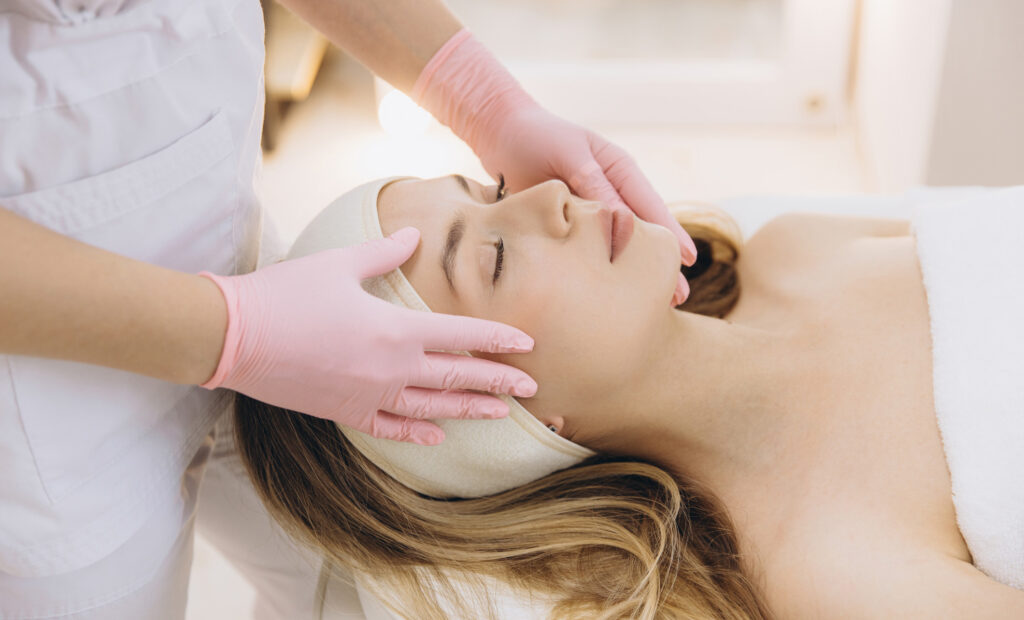
Winter means drier skin, which is why a winter waxing routine is essential for clean hair removal. Professional wax services ensure consistent moisture and effective waxing, minimizing trauma while promoting healthier skin during the colder months.
Choose professional waxing services for expert technique, quality wax products, and minimal discomfort.
A professional esthetician manages temperature, pull angle, and skin tension, which minimizes broken hairs and post-wax irritation. This is essential in the dry, cold months when the barrier is vulnerable.
Professionals use premium hard and soft waxes suited to hair coarseness and area. Hard wax holds hair and leaves skin unharmed on delicate areas like the face, underarms, and bikini, while soft wax removes larger, flatter surfaces like legs. They can pre-treat with light enzymatic cleansers, zinc or talc for moisture control, and then finish with occlusive, non-fragrant emollients to soothe.
They hit those tricky spots—back of thighs, gluteal crease, mid-back—that are difficult to tackle alone with ergonomic body mechanics. For first timers or anyone with eczema, KP or ingrown prone skin, professional technique and pacing minimizes pain and post-inflammatory hyperpigmentation.
Consider at-home waxing kits for convenience and cost savings, but follow instructions carefully for safe results.
Home kits are convenient; you can wax whenever it suits you, and the price per session goes down since most kits are refillable. Most include step-by-step instructions and temperature signals.
Just stick to them, test a patch, and hold the skin tight to reduce pain and prevent bruises. Heat the wax to the manufacturer’s specified range, maintain hair length of approximately 3 to 6 mm, wash off oils, and perform waxing in small sections following hair growth.
Anticipate mess on these initial attempts. Lay down a towel, use strips that are pre-cut, and keep some post-wax oil around to remove residue. If pain spikes, hair snaps, or skin lifts, stop and switch to trimming until skin settles.
Compare the benefits of salon waxing versus DIY waxing in a pros and cons list to determine the best option for your skin type.
- Professional pros: precise technique, medical-grade products, safer for sensitive or dry winter skin, better ingrown prevention, access to hard-to-reach areas, and predictable timing.
- Professional cons: higher cost per session, travel time, and booking may require days or weeks in advance.
- At-home pros include lower long-term cost, the ability to wax anytime, detailed instructions that can yield professional-looking results with practice, and usefulness for small touch-ups between visits.
- At-home cons include a steeper learning curve, messiness and increased pain for beginners, a higher risk of skin lifting or burns if overheated, and limited access to back and posterior areas.
Schedule regular waxing appointments with experienced estheticians for consistently smooth skin and superior results.
For professional vs. At-home winter waxing, you should shoot for a 4 to 6 week cadence to keep pace with slower regrowth. This allows hair to fall into the same growth phase, which clears better and prevents ingrowns.
Pre-book to ensure timing around travel or holidays. The hassle of scheduling is legit, but that consistent pay-off of thinner, sparser regrowth is worth it. If budget is an issue, combine a once-a-quarter full professional wax with targeted at-home upkeep, such as the upper lip, underarms, or toes to strike a balance.
Conclusion
Winter can actually work to your advantage. Skin stays in the shade. Hair grows consistently. Wax has great hold. Schedule regular appointments at 4 to 6 week intervals. Maintain skin’s softness with a light, scent-free cream. Apply SPF 30 to all bare skin, even on chilly days. Avoid hot tubs and snug pants for a day after. For bumps, use a clean salicylic wipe. Allow your hair to grow 5 to 7 mm in length between waxings. If you’re using a home kit, test a small area. For pro care, book with a savvy tech who uses sterile implements and top-grade wax.
Here are your winter waxing tips for smooth skin that lasts through the cold. Consult Physician Aesthetic Institute. Bring your A game. Walk out with a concise plan in hand that suits your skin and your week.
Frequently Asked Questions
Is winter a good time to wax?
Yes, winter means hair grows slower in cold weather, allowing for longer-lasting results. With the right winter waxing routine and effective aftercare, you can achieve silky skin that is smooth and primed for spring!
How should I prep my skin before a winter wax?
Lightly exfoliate 24 to 48 hours prior to your winter waxing appointment. Ensure your skin is clean and dry on the day of the session. Hair length should be 5 to 7 mm. Avoid heavy lotions and retinoids. Remember, wax hydration is essential because hydrated skin means less tug and irritation.
How do I reduce redness and bumps after waxing in cold weather?
Apply a cool compress followed by a soothing, fragrance-free gel with aloe or panthenol to promote wax hydration. Slip into something comfortable and avoid hot showers, saunas, or workouts for 24 hours to ensure a comfortable waxing experience.
Can I wax if my skin is dry from the cold?
Yes, moisturize every day for a week before your waxing appointment to ensure effective waxing. Ditch the thick creams on wax day, as dry, flaky skin can lead to lifting during your winter waxing routine.
Is professional waxing better than at-home in winter?
Usually, yes. Pros apply the perfect wax and technique to dry, sensitive skin during winter waxing routines. They minimize missed hairs and irritation, ensuring a comfortable waxing experience. Waxing at home? Pick up some good quality hard wax, read the instructions, and work in small bites.
How often should I wax in winter?
Every 3 to 5 weeks is ideal for your waxing routine, but during the winter months, cold weather can reduce hair growth, allowing you to stretch your waxing sessions to 5 to 6 weeks for lasting smoothness.
What products should I use after waxing in winter?
For effective winter waxing routines, use a gentle, alcohol-free toner, a calming gel (aloe, calendula), and a light, non-comedogenic moisturizer. After 48 hours, incorporate a gentle exfoliant two to three times weekly for healthier skin.